

- Phone: 415-777-0487
-
Follow


The largest estuary on the west coast of the Americas.
Where two rivers converge, so too do the future of California’s freshwater supply and the fate of 750 distinct species of plants and animals. Part of an extensive system of waterways originating in the Sierra Nevada and Cascade ranges, the Sacramento and San Joaquin rivers meet just southwest of the state capitol to form the largest estuary on the west coast of the Americas.
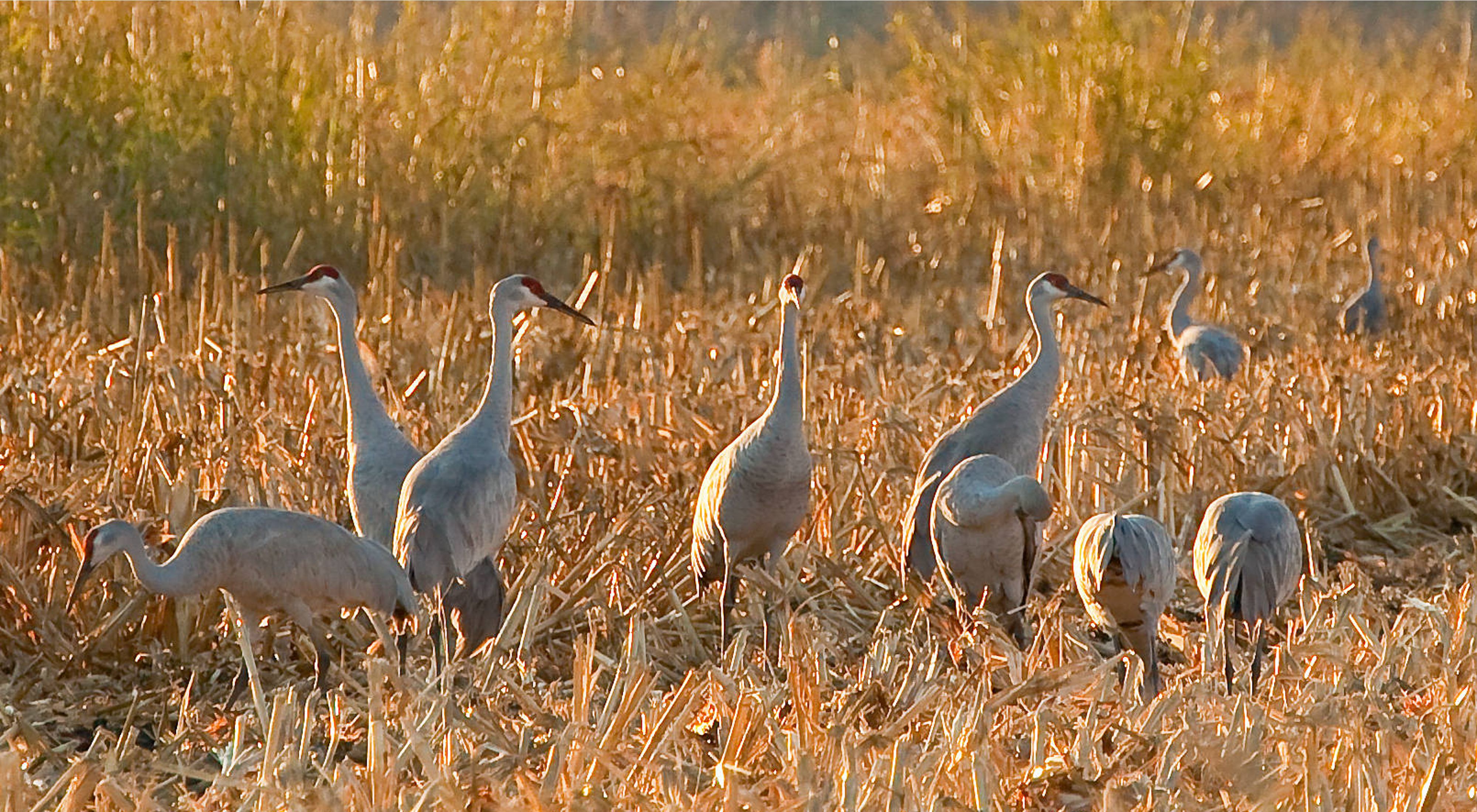
Not only does the Sacramento–San Joaquin Delta supply clean drinking water to 25 million Californians, but many species of birds—including waterfowl and sandhill cranes—and fish, such as the Chinook salmon, Central Valley steelhead and green sturgeon, depend on the habitats in and around the 700,000-acre estuary for survival. Indeed, this invaluable freshwater resource supports some species found nowhere else on Earth at the same time that it sustains farmland that generates almost half of America’s produce.
THE DELTA IN CRISIS
Pollution, invasive species and destruction of most of the area’s wetland and river habitat have put one of the world’s largest water-delivery systems at high risk. Water-supply operations have even reversed the direction of rivers flowing out of the Delta, causing several native species to be on the verge of extinction.
The Delta’s levee system is also in a weakened state; one earthquake or major flood could spell disaster for the ecosystem, interrupt the water supply for millions of Californians for months or years and severely impact the economy.
The effects of climate change—including sea-level rise and more rain than snow in the Sierra Nevada—will exacerbate the situation, bringing in more saltwater and placing additional pressure on the fragile levees.
TNC EFFORTS PAY OFF
Through our systematic study and evaluation process called Conservation by Design, our scientists have determined that the only sound method for saving the imperiled Delta is to restore both large portions of its once extensive habitat and proper water flow.
To that end, TNC has protected and restored nearly 25,000 acres of wildlife habitat. In addition, we are deeply engaged in Delta planning efforts, including the Bay Delta Conservation Plan, in order to advance habitat conditions for migratory birds and other wildlife in the Delta while developing a more sustainable source of water for millions of Californians.