



Description
Why You Should Visit
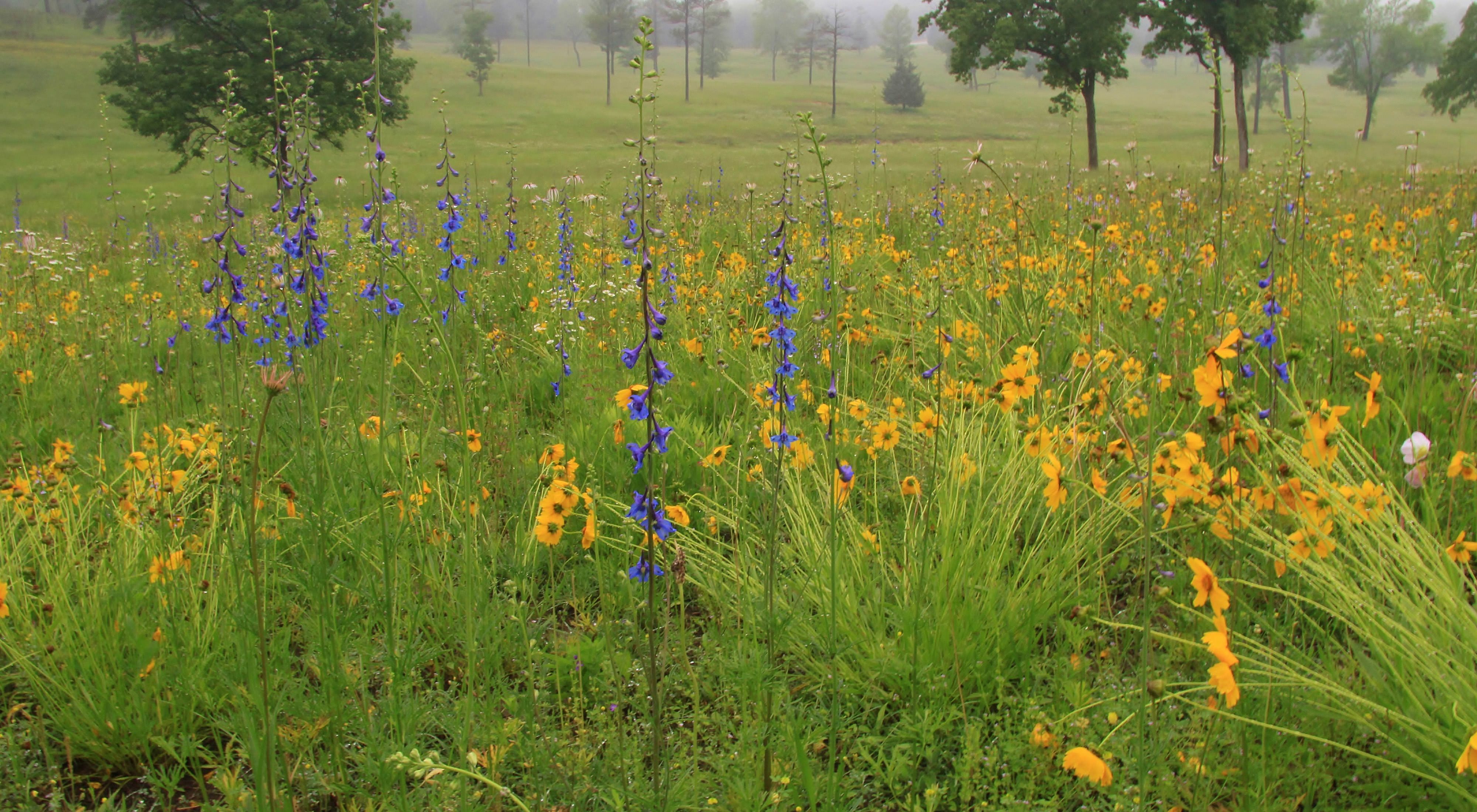
Terre Noire Natural Area and Prairie Ridge Preserve are the best remaining blackland prairie complexes in the state. Located in the northeast part of the blackland region of Arkansas, where the plant communities differ in composition from those to the southwest. Blackland prairie is considered an extension of the tallgrass prairie of the Midwest and Eastern Great Plains. Visitors to Terre Noire can see many wildflowers from early spring to the fall.
Size
This 850-acre landscape is composed of the 360-acre tract owned by The Nature Conservancy, 75-acre tract owned jointly by The Nature Conservancy and the Arkansas Natural Heritage Commission and 415 additional acres owned by the Commission.
Why TNC Selected This Site
The blackland region of Arkansas has been badly degraded. Because of its high and medium quality native prairies and woodlands, Terre Noire was identified as critically important to conserving the blackland ecosystem. With its close proximity to the city of Arkadelphia, the site required immediate protection from urbanization.
What TNC Has Done/Is Doing
Terre Noire Natural Area was established in 1991 through a cooperative effort between The Nature Conservancy and the Arkansas Natural Heritage Commission and TNC added Prairie Ridge Preserve in 2013. Stewardship at Terre Noire includes restoring the mosaic of prairie openings within oak/pine forest, and maintaining the assemblage of naturally occurring blackland prairie species. Prescribed burning, cedar cutting, prairie seeding and erosion control by staff and volunteers have ridded the prairie of much woody vegetation and have boosted populations of native prairie plants.
The Conservancy will continue to conduct burns, closely mimicking a natural fire regime, to promote natural species diversity. Scientists are monitoring to determine the effectiveness of management actions on restoring plant community structure and composition.