

Arkansas

Kingsland Prairie

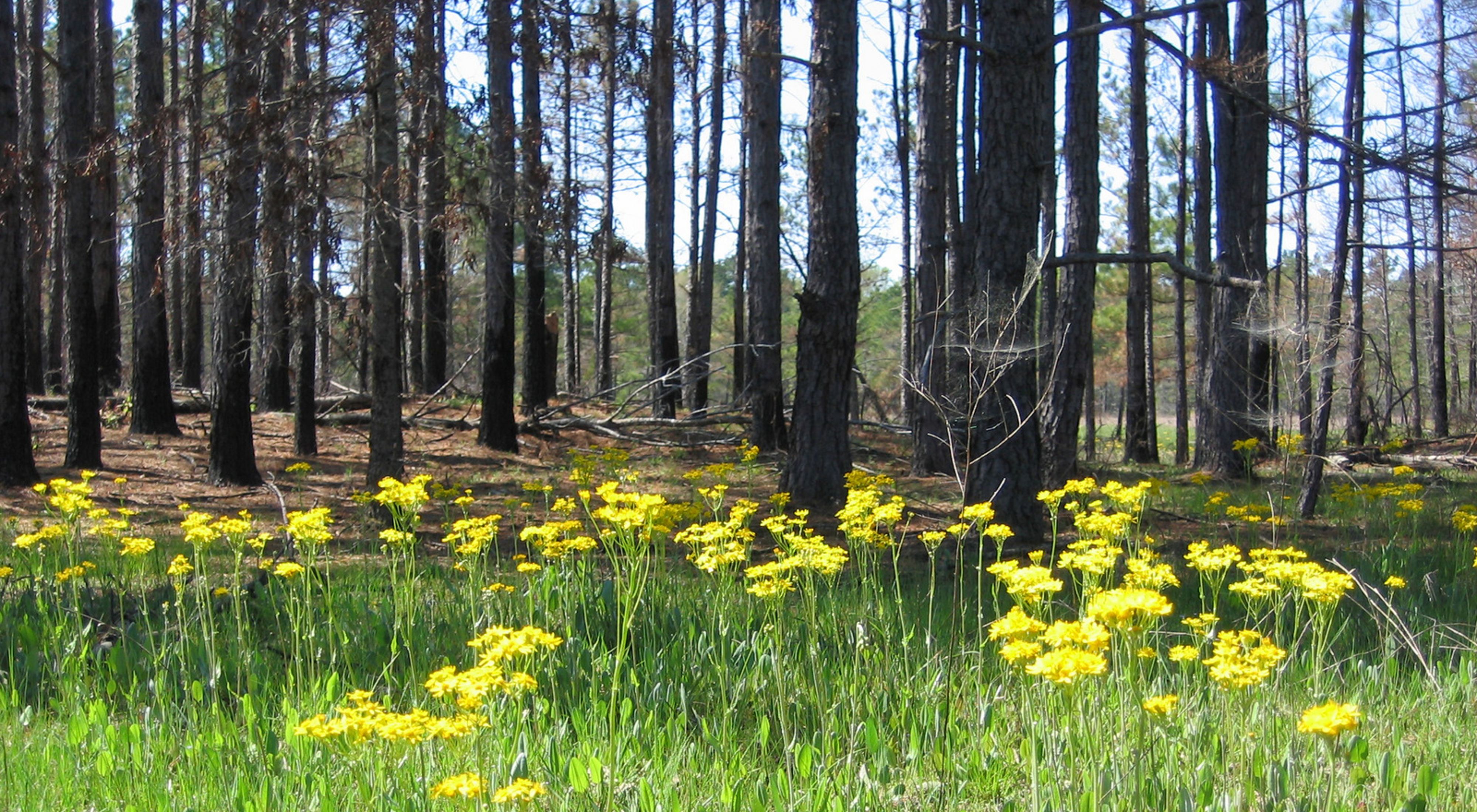
This preserve is a mosaic of prairie-like openings interspersed with savannas and woodlands.

Why You Should Visit

Kingsland Prairie is a mosaic of prairie-like openings interspersed with savannas and woodlands on a very unusual type of saline soil. The tiny geocarpon plant, listed as threatened under the Endangered Species Act, is found here, as are a number of other plants considered rare in Arkansas. At this site, The Nature Conservancy's emphasis is on ecologically compatible forestry: working with forest landowners to demonstrate the connections between ecosystem health and economic return.

Location

Cleveland County

Size

820 acres

How to Prepare for Your Visit

There are no marked trails. The terrain is mostly level. 

For safety reasons, visitation is allowed only outside of hunting seasons due to a private hunt club lease on the property.  Please call the Arkansas Field Office at (501) 614-5089 or e-mail arkansas@tnc.org for information and directions.

What to See: Plants

Plant species of special concern at Kingsland Prairie include:

  • geocarpon (Geocarpon minimum)
  • western dwarf dandelion (Krigia occidentalis)
  • Texas sunnybell (Schoenolirion wrightii)
  • purple silkyscale (Anthaenantia rufa)
  • barrens silky aster (Aster sericeus var. microhyllus)
  • Laurel oak (Quercus laurifolia)
  • shiny goldenrod (Solidago nitida)

List of plants at Kingsland Prairie

What to See: Animals

Overhead, look for Bachman's sparrow (Aimophila aestivalis) and red-shouldered hawk (Buteo lineatus), both rare species in Arkansas. On the ground, watch for signs of raccoon (Procyon lotor hirtus), coyote (Canis latrans frustror), and white-tailed deer (Odocoileus virginianus).

List of animals at Kingsland Prairie

Why the Conservancy Selected This Site

Kingsland Prairie's saline soil habitat is extremely rare, making it a high priority for conservation. The unusual soil type—Lafe soil—is high in salts toxic to most plants, so most of the site was unusable for the pine sawtimber production that dominates the surrounding area. This fact made the site's transfer to conservation ownership a winning proposition for both the Conservancy and the timber company that sold the land.

What the Conservancy Has Done/Is Doing

The Nature Conservancy is creating a demonstration project centered around conserving the biodiversity of this priority site within the setting of a successful commercial timber operation. The staff is working with several experienced partners on managing a buffer zone around the preserve that will sustain timber production while conserving wildlife and rare plant populations. The project will test and showcase alternative techniques to promote native species in the understory and limit herbicide and sediment runoff into the preserve. Ecological restoration activities for the core preserve include prescribed burning, non-native species removal, and salvage of pines in areas where growth has been marginal.

By instituting a strong monitoring program, the Conservancy will document the economics of the project and the ecological responses to the management regimes—building defensible, science-based data that demonstrate the feasibility of conservation-minded forestry.

Things To Do
Plan Your Visit
Directions
Discussion

Have you been to this preserve? Are you thinking of visiting? See what others are saying about their experiences and add your comments below.

Add Your Comments

Time for you to join the discussion. Tell us about your experience at this preserve. What plants and animals did you see? When did you go? You can help others plan their visit when you share your thoughts. And thank you for visiting one of our nature preserves!

Read our guidelines on posting comments

Read More

Close Encounters with Nature

Nature Matters

Explore Related Content

Forest Conservation
Restoring a Tallgrass Prairie