


Description
Why You Should Visit
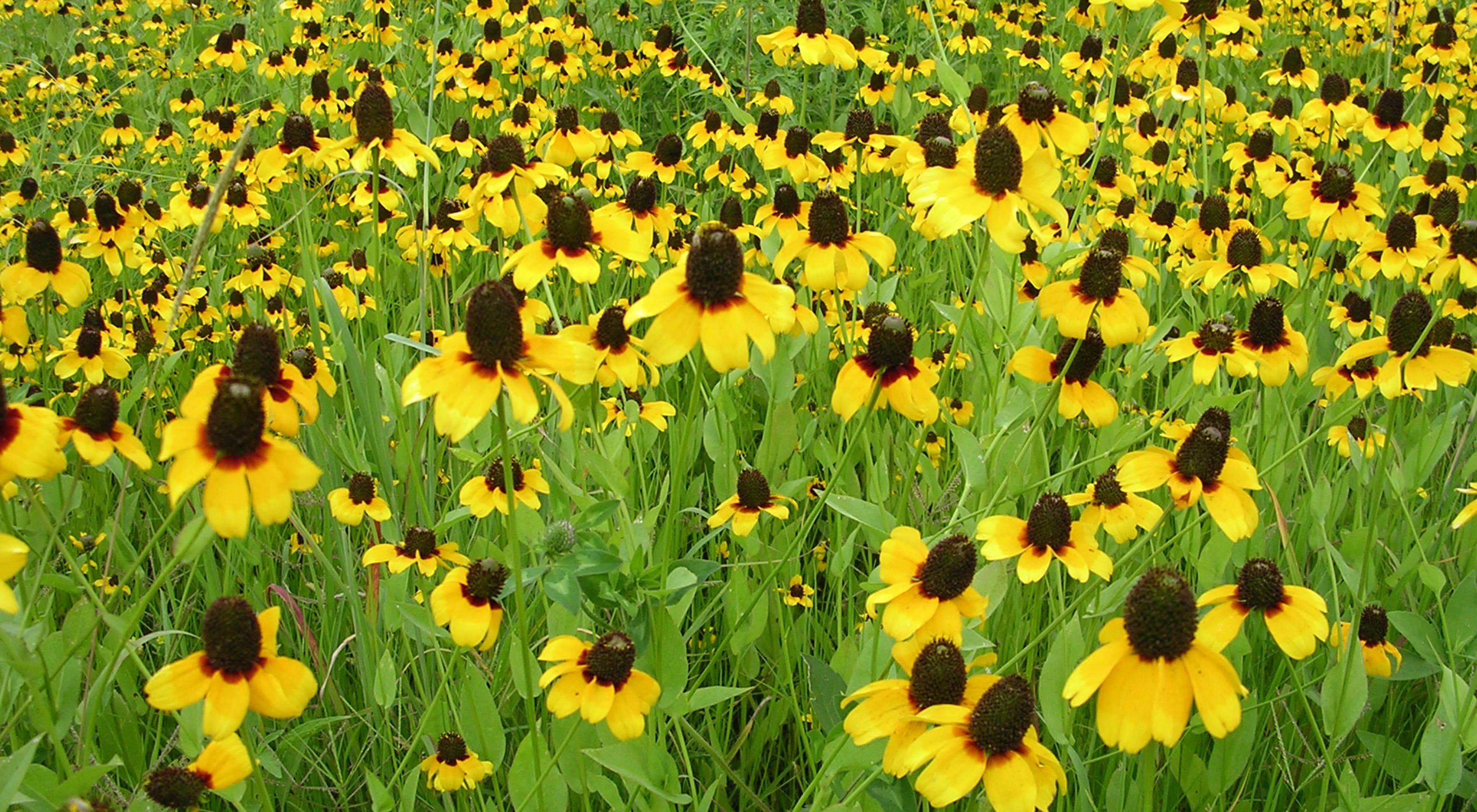
Columbus Prairie consists of high-quality blackland prairie, savanna and woodland, and it harbors several rare species of plants and animals. Beautiful wildflower displays can be seen from spring to fall.
More than 150 prairie and woodland plant species and 152 bird species have been identified at Columbus Prairie, as well as 68 varieties of butterfly. Look for compass plants, blazing stars, monarch butterflies and northern bobwhite quail.
Location
Hempstead County
Size
120 acres
Why the Conservancy Selected This Site
Blackland prairies and woodlands are unique habitats. Originally, there were approximately 12 million acres of blackland prairie in the United States. Today, less than 5,000 high-quality acres remain.
An assessment of the blackland region of southwest Arkansas completed in 2002 revealed six major sites with a concentration of native blackland prairie and woodland remnants. The largest, and therefore highest conservation priority, was the Columbus-Saratoga Site in Hemptead and Howard counties. The Nature Conservancy selected Columbus Prairie for acquisition because of this high-priority status. Columbus Prairie is also important due to its close proximity to the Arkansas Game and Fish Commission's 4,885-acre Rick Evans Grandview Prairie Wildlife Management Area, the largest known area of blackland ecosystem in conservation ownership.
What the Conservancy Has Done/Is Doing
Columbus Preserve is managed as a nature preserve for the rare animals and plants that live there. Management activities include prescribed burns, removal of invasive cedars and continued inventory for additional rare blackland species.
Of particular interest is the eared false foxglove (Agalinis auriculata), one of Arkansas' rarest plants. In 1998, one eared false foxglove plant was recorded from Columbus Prairie. More than 50 individuals were recorded there after a fall prescribed burn.