
- Phone: +1 602-712-0048
-
Follow


This key tributary of the Colorado River gives water and life, from Prescott to metro Phoenix.

Yavapai-Prescott Tribe leads Granite Creek Restoration Effort
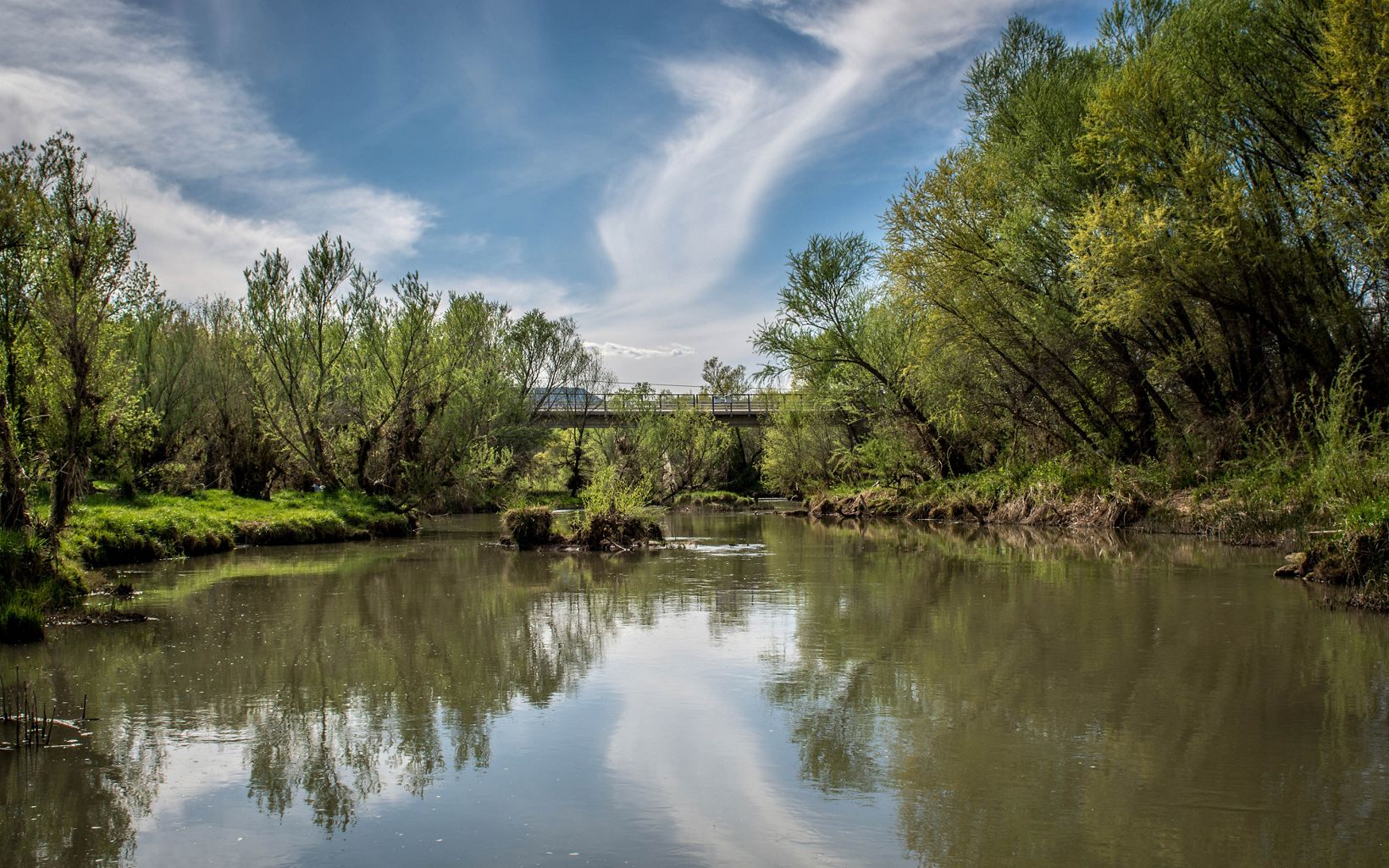
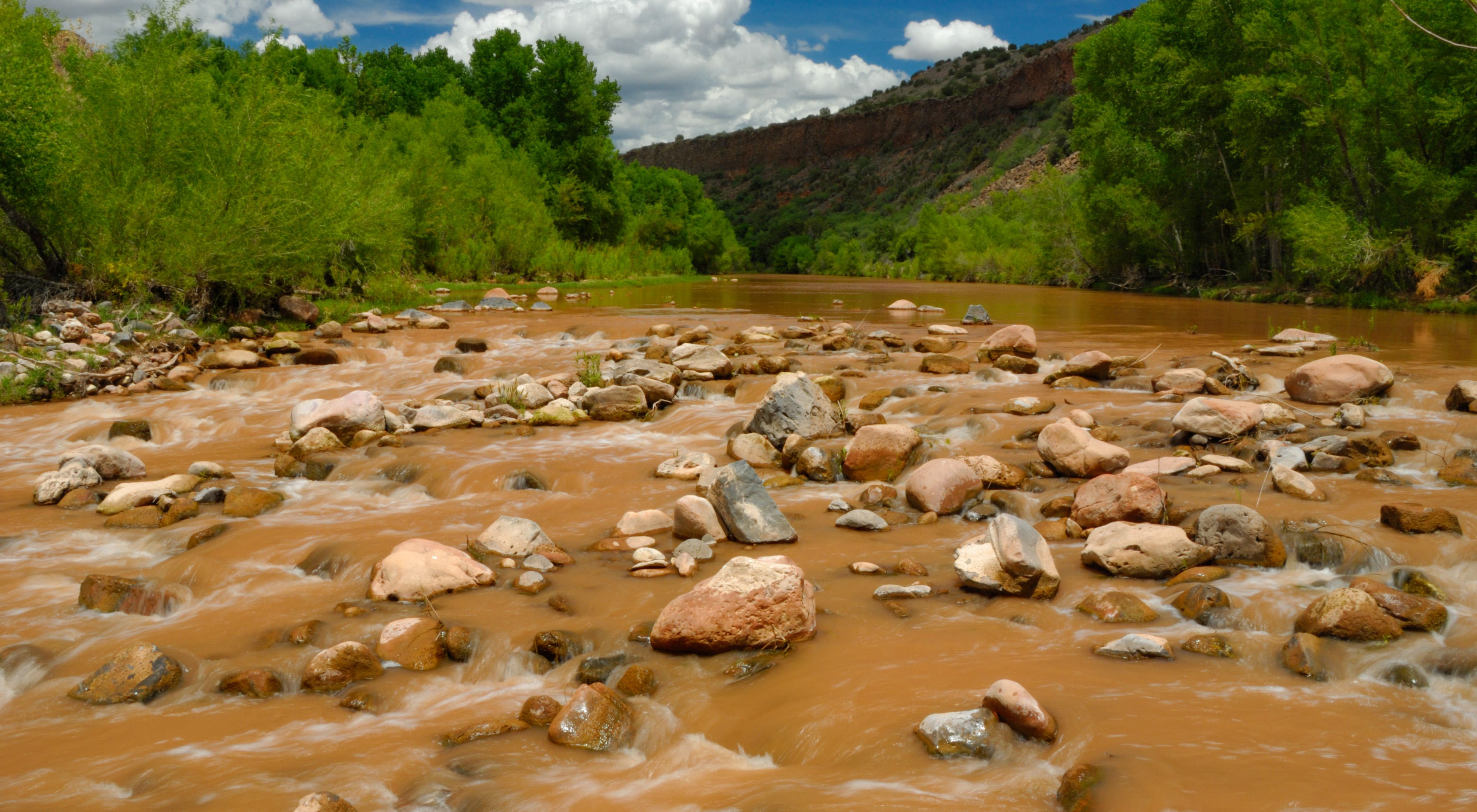
Granite Creek flows north before connecting to the Verde River, which provides water from Prescott to the Phoenix metro area.
The Yavapai-Prescott Indian Tribe (YPIT) and The Nature Conservancy (TNC) helped improve water quality and storage in and around Granite Creek in Prescott, Arizona.
“Granite Creek is not only a vital resource of the Upper Verde River watershed, but it also holds significant cultural importance to the Yavapai-Prescott Indian Tribe, says Peter Bourgois, Tribal planner for YPIT. “The Tribe is very fortunate to have had the opportunity to partner with TNC. The project will leave a legacy for the enjoyment and benefit of future generations by improving, enhancing and protecting the natural and cultural values of Granite Creek as it crosses the Tribe’s homelands.”
The project began with the removal of concrete waste from previous concrete production and gravel mining activities. Later, crews placed natural materials—sticks and stones—at intervals along the waterway. The structures help slow the water as it spreads across the land so it’s available when needed most. Removing non-native plants and distributing cottonwood and willow cuttings rounded out the riparian restoration work.
By improving the streamside habitat, trees, plants and flowers will flourish to support birds and wildlife that call this place home.
“This collaborative effort benefits the Tribe as well as the larger community by improving water quality and promoting a healthy habitat near Watson Lake, a recreation hotspot for locals and visitors,” says Selena Pao, Water Projects manager.
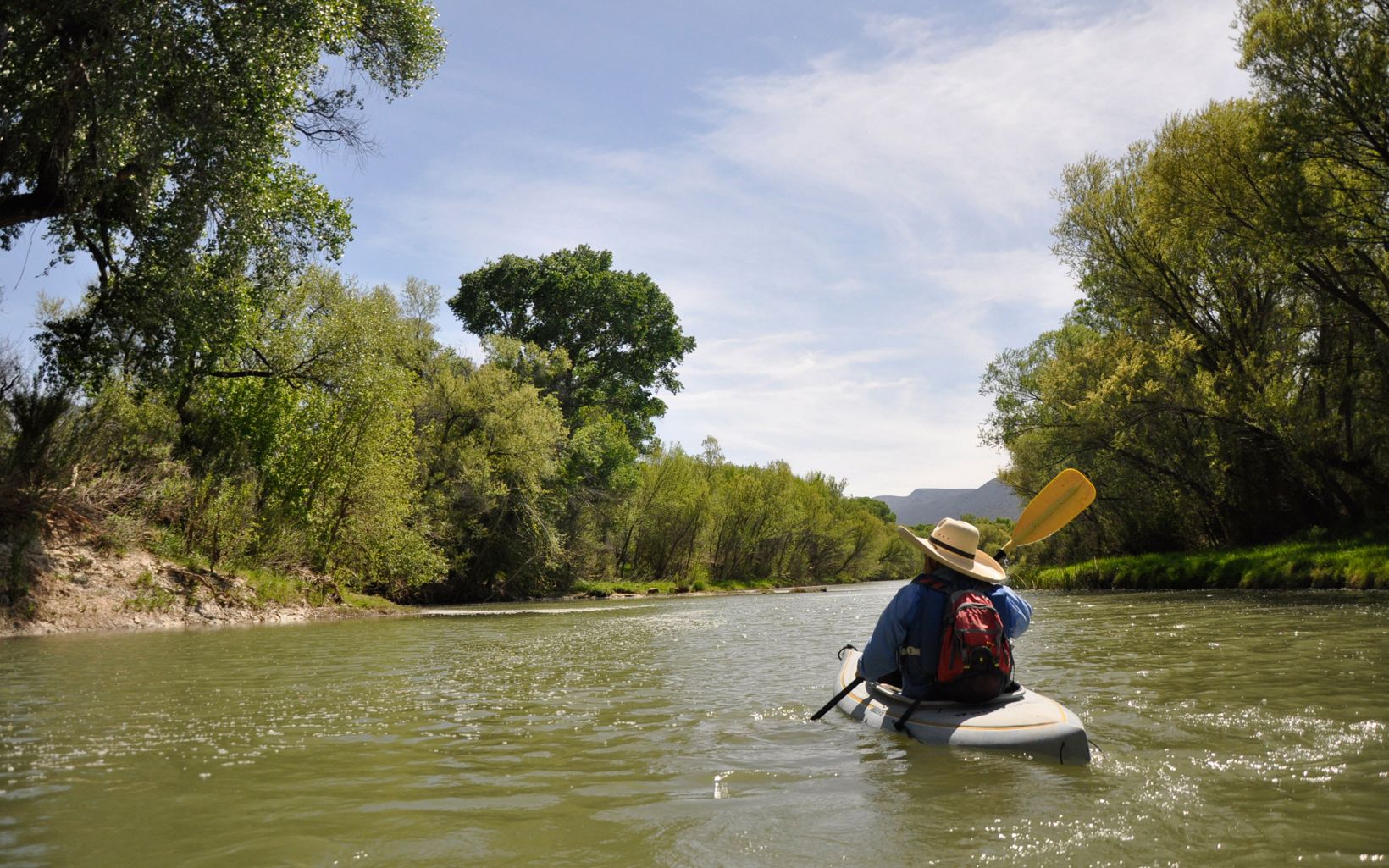
One of Arizona’s only federally designated Wild and Scenic Rivers, the Verde River springs from the ground in the rural community of Paulden, southwest of Flagstaff. It meanders southeastward 195 miles through private, federal, state and tribal land before reaching its confluence with the Salt River near Phoenix.
WHY TNC SELECTED THIS SITE
While the Verde’s preservation is vital to wildlife and recreation in Arizona, it is also essential to the health of the river’s watershed, which feeds many Arizona communities downstream. Competing demands for water are putting pressure on the watershed. Looming development over the aquifer that supplies the Verde River could reduce the flow of water not only to downstream users, but to the plants and animals that depend on it.
WHAT TNC HAS DONE/IS DOING
- 2016 saw the launch of Arizona’s first water fund, an effort of the Salt and Verde Alliance, a group of communities, businesses and TNC.
- Worked with Friends of the Verde River Greenway to develop the Verde River Exchange Water Offset Program. The program connects Verde Valley homes and businesses willing to temporarily reduce their water usage with groundwater users seeking to reduce the impacts of their continuing use. Two area wineries purchased offset credits which paid a farm family to give up their right, temporarily, to irrigate a small pasture.
- TNC is working with landowners and conservation partners to protect sensitive places on the Verde River from development and keep them part of a working landscape. In 2018, TNC and its partners completed a conservation agreement that helped a local farm family purchase Park Central Farm in the Verde Valley, keeping their food production operation local and protecting the tree-lined riverside habitat.
- TNC, working with a Verde Valley farm operation, tested barley, a low-water use crop that grows early in the year when there’s more water in the river for irrigation. Now TNC has invested in a barley malting facility, Sinagua Malt, which buys local malt barley and sells the resulting malt to local breweries.
- A collaborative effort between TNC, irrigators, community organizations and others is restoring Verde River flows and riverside health while supporting the irrigation needs of agricultural producers in the Verde Valley. The installation of efficient automated ditch systems combined with financial incentives for conservation have resulted in less water being diverted and increased flows along 20 river miles in the Verde Valley and in the Wild and Scenic area between Camp Verde and Phoenix. The project received a federal grant of $2.8 million to continue this work for five years.
- A collaborative effort between TNC, the Arizona Water Institute and Verde River Basin Partnership has yielded a study rich in data about the water flow needs of the river and its wildlife. Decision-makers can now control upstream water use to create the water flushes essential to spawning fish and cottonwood trees. The information has been turned over to cities, county officials, landowners and other water-using groups.
- TNC is also working to protect the springs at the headwaters of the Verde River. In 2008 the Wells family, TNC and other partners made an agreement that will forever protect 470 acres surrounding the headwaters of the Verde. The family agreed to a conservation easement, the bulk of which went to the Arizona Game and Fish Department to extend its Upper Verde River Wildlife Management Area.
ANIMALS
A major component of the Colorado River Basin, the Verde River is a critical flyway for migratory birds and home to nesting bald eagles, rare species of reptiles and amphibians, and many species of native fish.
The Verde is also home to bobcat, grey fox, coyote, jackrabbit, javelina and mountain lion. One animal in particular—the beaver—is busy transforming the middle Verde into a healthy river home for river otter, native fish and other creatures.
PLANTS
Sections of the Verde River are contiguous with Prescott and Coconino national forests, Tuzigoot National Monument and the U.S. Forest Service’s Verde Valley Botanical Area. Among rare plants found here are Verde Valley sage, Ripley wild buckwheat and Arizona cliff rose. More common plants along the river are cottonwoods, willows, mesquite, crucifix thorn and greythorn.
Non-native (invasive) species include tree of heaven, Russian olive and tamarisk.
VERDE RIVER FACTS
- The Verde River nourishes one of the last Fremont cottonwood/Goodding willow gallery forests in Arizona. There are only 20 in the entire world.
- While most Southwestern rivers begin in mountainous regions with more precipitation than the lowlands below, the Verde begins in a broad alluvial basin in the Big Chino Valley.
- The upper Verde headwaters is region that has played an important role as the site of the first territorial capital and the subsequent development of northern Arizona, including the City of Prescott and the Grand Canyon tourism industry.
- Competing water rights and rapid population growth in the Prescott metropolitan area and other nearby parts of Yavapai County has caused concern that increased pumping in Big and Little Chino valleys could reduce base flow in the Verde River.