

Conservation in America's Tongass
A New Vision for a Sustainable Future in Southeast Alaska
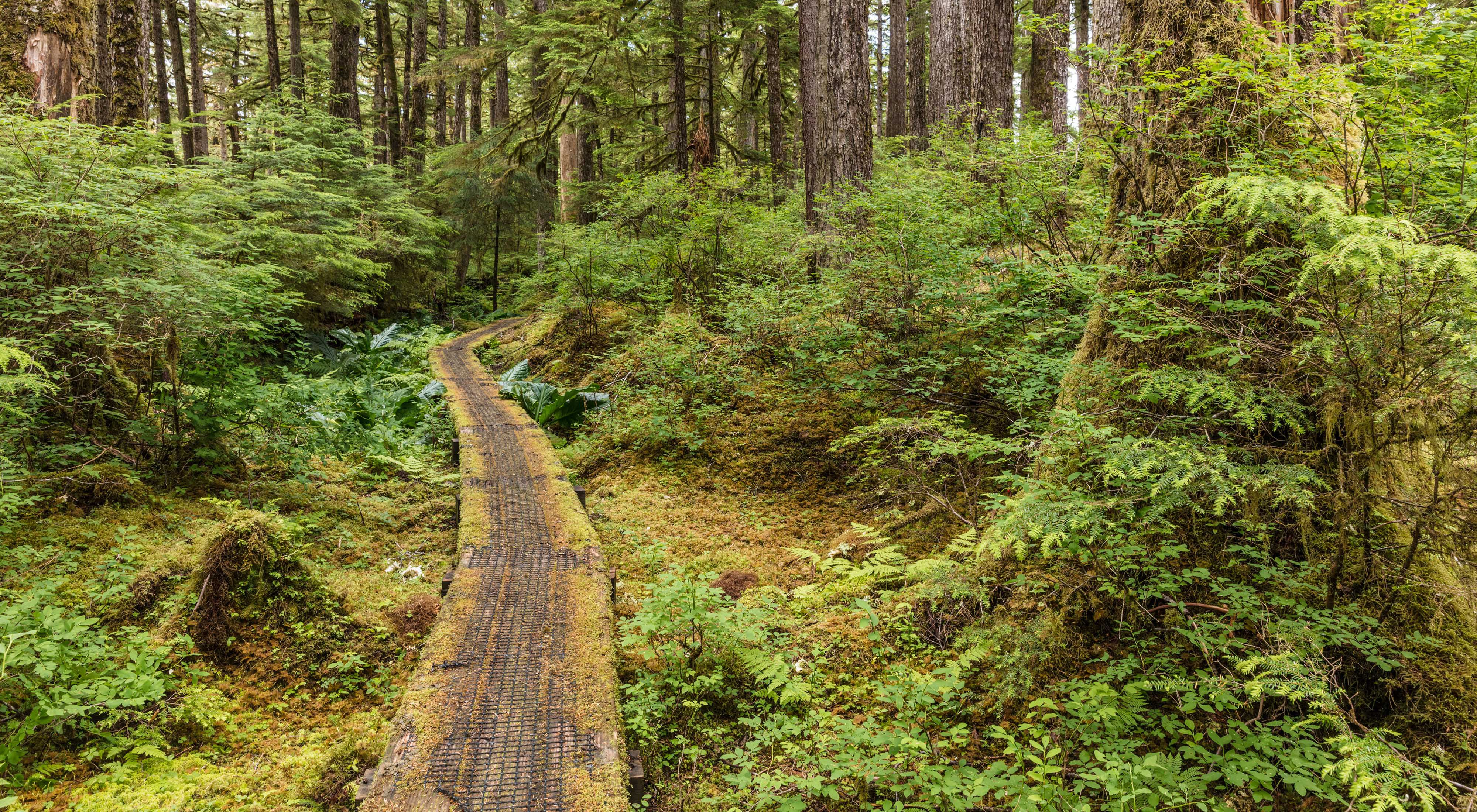
The Tongass National Forest of Southeast Alaska is home to part of the Emerald Edge — the largest intact temperate rainforest remaining on Earth. Brown bear, black bear, wolves and Sitka black-tailed deer thrive in this landscape, and it is one of the planet's greatest wild salmon nurseries. Its interface with the sea creates one of the largest, most pristine and productive estuarine systems in the world. Old-growth forests of yellow cedar and red cedar, Sitka spruce and Western hemlock stand like wild cathedrals. People live in communities that rely on the natural wealth of this forest. Timber harvests have declined but are still important as forest management transitions to a more sustainable future. These lands continue to support living traditions of Native people as they have for thousands of years.
Quote
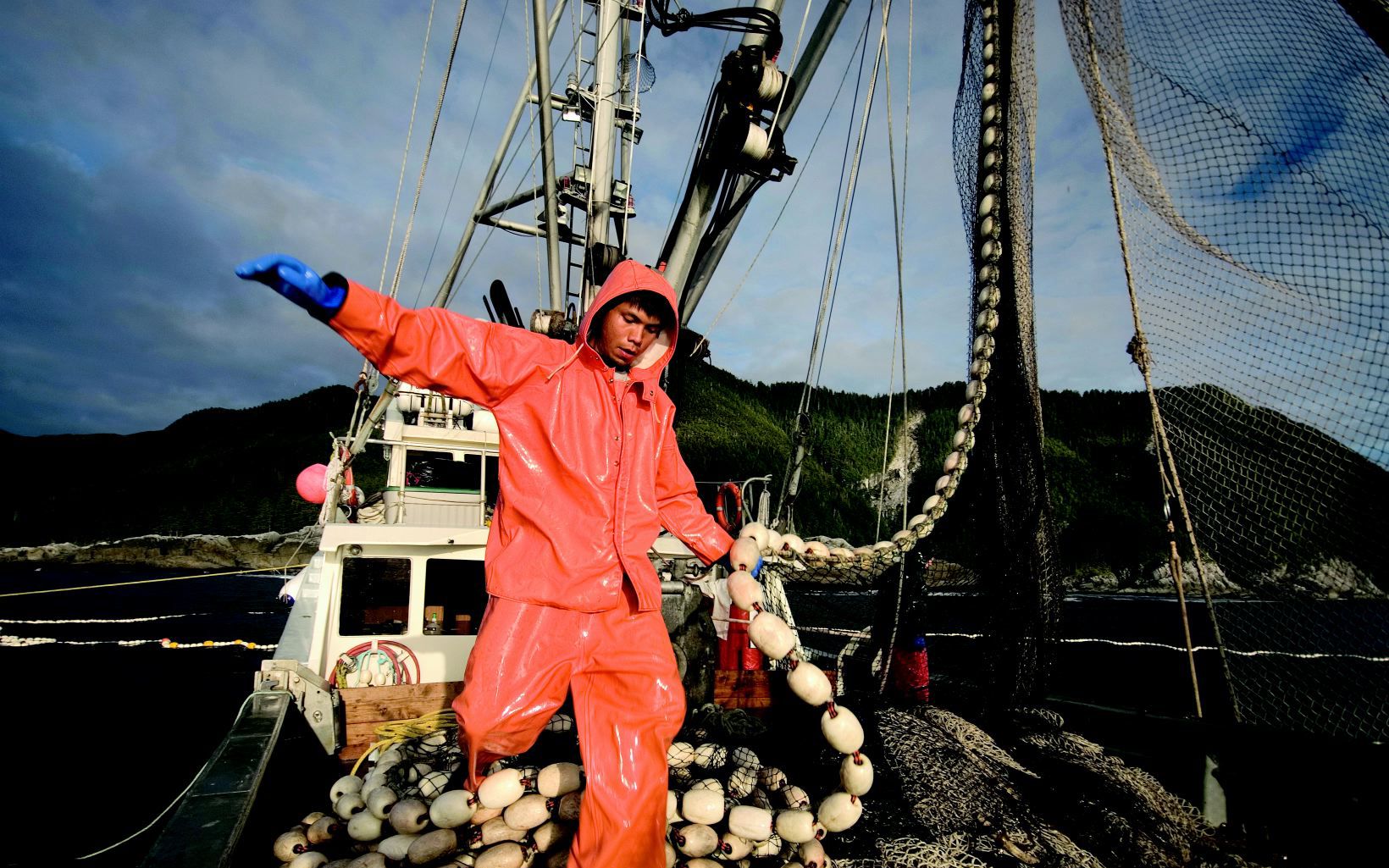
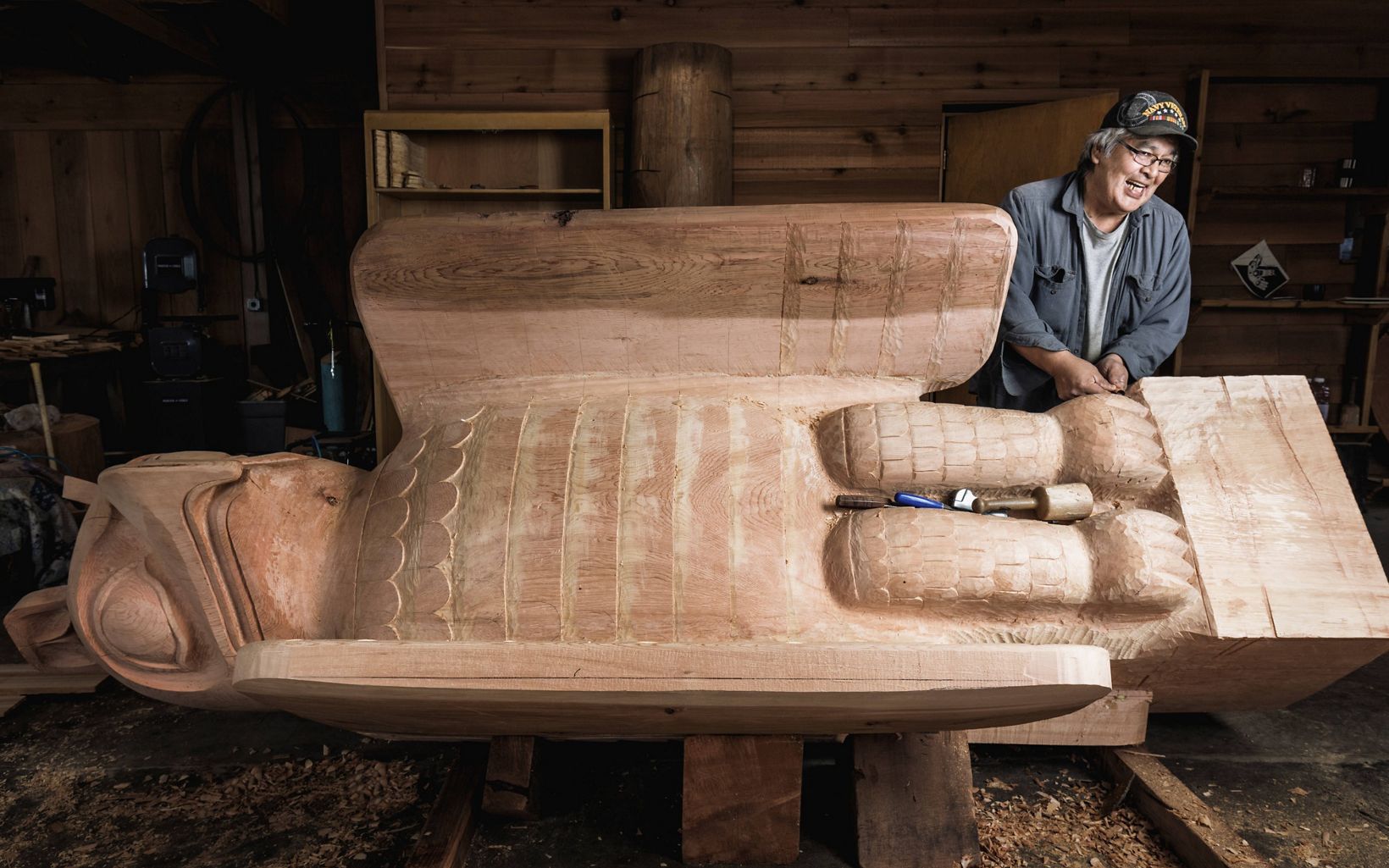
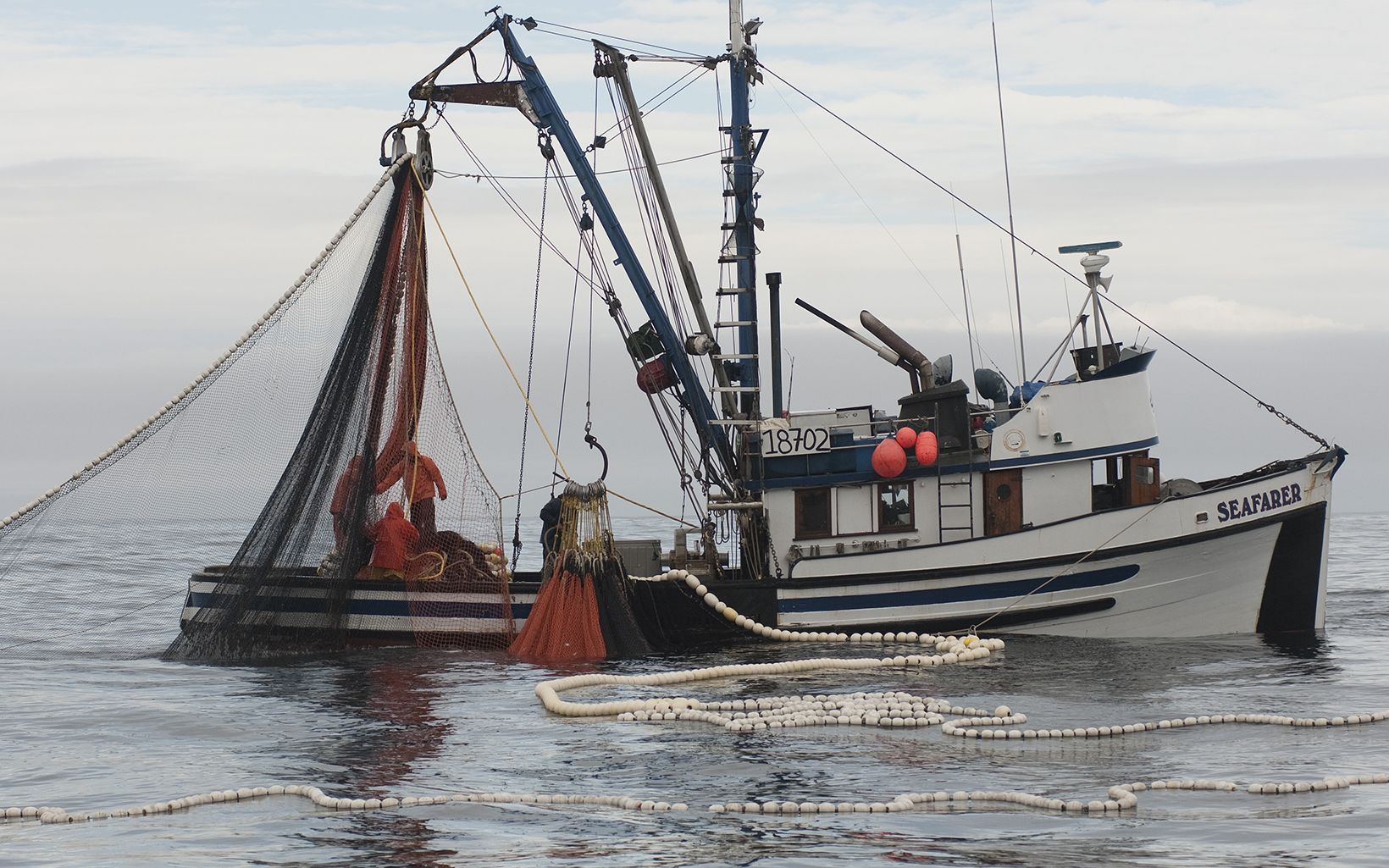
Southeast Alaska's coastal villages have deep ties to the forest and sea and a unique way of life that taps the wealth of the forest and 17,000 miles of salmon streams.
Globally Unique
Southeast Alaska encompasses more than 5,000 islands and 18,000 miles of shoreline. More than 80 percent of the region is included in the Tongass National Forest -- the nation's largest -- but public ownership does not guarantee that conservation and restoration lead forest policy.
In the rainforests of the Tongass, we have an immense conservation opportunity. We strive to protect and restore the ecological integrity and unique natural qualities of this coastal rainforest. At the same time, we're working to sustain local economies and maintain the quality of life valued by people who live and work in the region.
In Southeast Alaska, the Conservancy is committed to help:
- Protect: Ecologically valuable watersheds on the Tongass await protection.
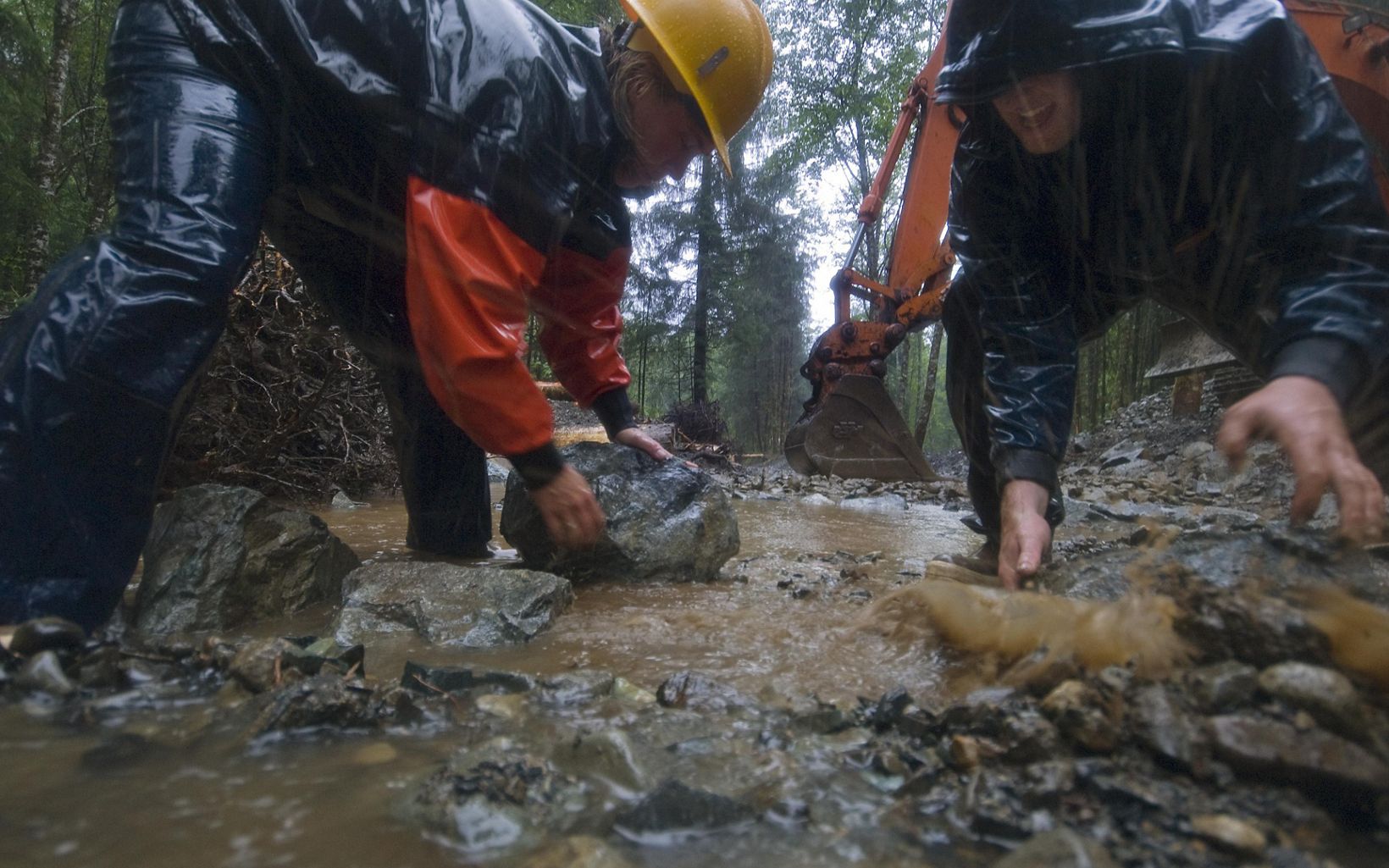
- Restore: Streams and forests where past development has harmed wildlife habitat for wild salmon and deer can flourish again.
- Transition: As industry shifts away from old-growth logging on the Tongass National Forest, second-growth timber harvest can form the basis of a sustainable natural-resources-based economy in Southeast Alaska.
- Adapt: The Conservancy is helping nature and people adapt to climate change in the temperate rainforest with research on shifting forest composition as well as by aiding efforts to manage for resiliency.
- Research: Southeast Alaska is the largest estuarine complex in the world. We're leading an effort to map this rich marine ecosystem.
Salmon in Alaska
Conservation Opportunity
In recent decades, the debate over how to best manage the resources of the magnificent Tongass National Forest has often been contentious. In Southeast Alaska, TNC and a range of partners are working to forge a new sustainable future for nature and people. We helped found the Sustainable Southeast Partnership, a diverse network of organizations and individuals working together to reach cultural, ecological and economic prosperity.
An important part of our scientific understanding of the region comes from our Southeast Alaska Ecoregional Assessment. It’s a comprehensive synthesis of existing information on the Tongass forest and its biology. Completed in partnership with Audubon Alaska, using information shared by the Forest Service, the State of Alaska, the U.S. Fish & Wildlife Service and others, it allows us to literally map out the answers to questions about forestry, timber supply, wildlife management, salmon streams and more. These maps provide a record of how development has affected the Tongass, and it also points us forward. Many watersheds in Southeast where development such as logging and road building has occurred can benefit from active habitat management. The Nature Conservancy analysis also identifies important, intact salmon watersheds that are critical to fisheries and merit special protection.
A comprehensive approach to conservation in Southeast Alaska – ranging from diverse estuaries to cathedral rainforests of the Tongass National Forest – is paying off. By investing in the best science available, we're laying the groundwork for successfully restoring and protecting crucial habitat. As we continue to listen to people who live and work in the forests of Southeast Alaska, we're forming solutions that support fish and wildlife and sustainable communities.