

Great Bear Rainforest
Canada

This land of mist-shrouded valleys and old-growth forests is part of the world's largest intact coastal, temperate rainforests.

The Great Bear Rainforest, the archipelago of Haida Gwaii and the Great Bear Sea is a land of mist-shrouded valleys and glacier-cut fjords, old-growth forests, wildlife like grizzly bears and spirit bears and rich salmon streams; it is a critical natural corridor where ocean and land are inextricably connected. It’s also home to First Nations people, who have been linked to the rainforest since time immemorial.
Working with Indigenous Peoples
We strive to develop meaningful partnerships with First Nations communities that create a dialogue of trust and respect for Indigenous rights and cultural traditions. Learn more about our approach in Canada.
In 2006, The Nature Conservancy (TNC) was invited to support Indigenous-led efforts to secure the protection and sustainable management of 15 million acres in the Great Bear Rainforest and 2.6 million acres in the archipelago of Haida Gwaii. This partnership resulted in the Great Bear Rainforest Agreement, which was signed between First Nations and the British Columbia government in 2016, fulfilling the vision for the region.
Across the Great Bear Rainforest and Haida Gwaii, this Indigenous-led effort resulted in the protection of 7.4 million acres with new co-management regimes that increased First Nation management authority. An additional 10.8 million acres are now managed according to some of the most stringent forestry rules and regulations in the world.
The Great Bear Rainforest, the archipelago of Haida Gwaii and the Great Bear Sea are home to First Nations people who have been linked to the rainforest since time immemorial. This is the unceded traditional territories of more than two dozen coastal First Nations.
The Great Bear Rainforest is an important carbon storehouse and biodiversity hotspot.
This landscape is home to large carnivores, from genetically distinct coastal grey wolves to one of North America’s largest concentration of grizzly bears to the world’s only Spirit Bears, a subspecies of black bear with pure white fur. Salmon here are a critical source of nutrients for people and wildlife. Cedars have stood for thousands of years.
To help protect this critical ecosystem, we support First Nations in the sustainable management of forests across Great Bear. This work has resulted in lasting conservation outcomes, as well as long-term economic development opportunities for communities.


Building on more than 10 years of work in this region, TNC and our Canadian affiliate (Nature United) work in partnership to ensure strong Indigenous governance models; create opportunities for economic development; provide capacity for Indigenous-led stewardship; and support community leaders.
Natural Climate Solutions
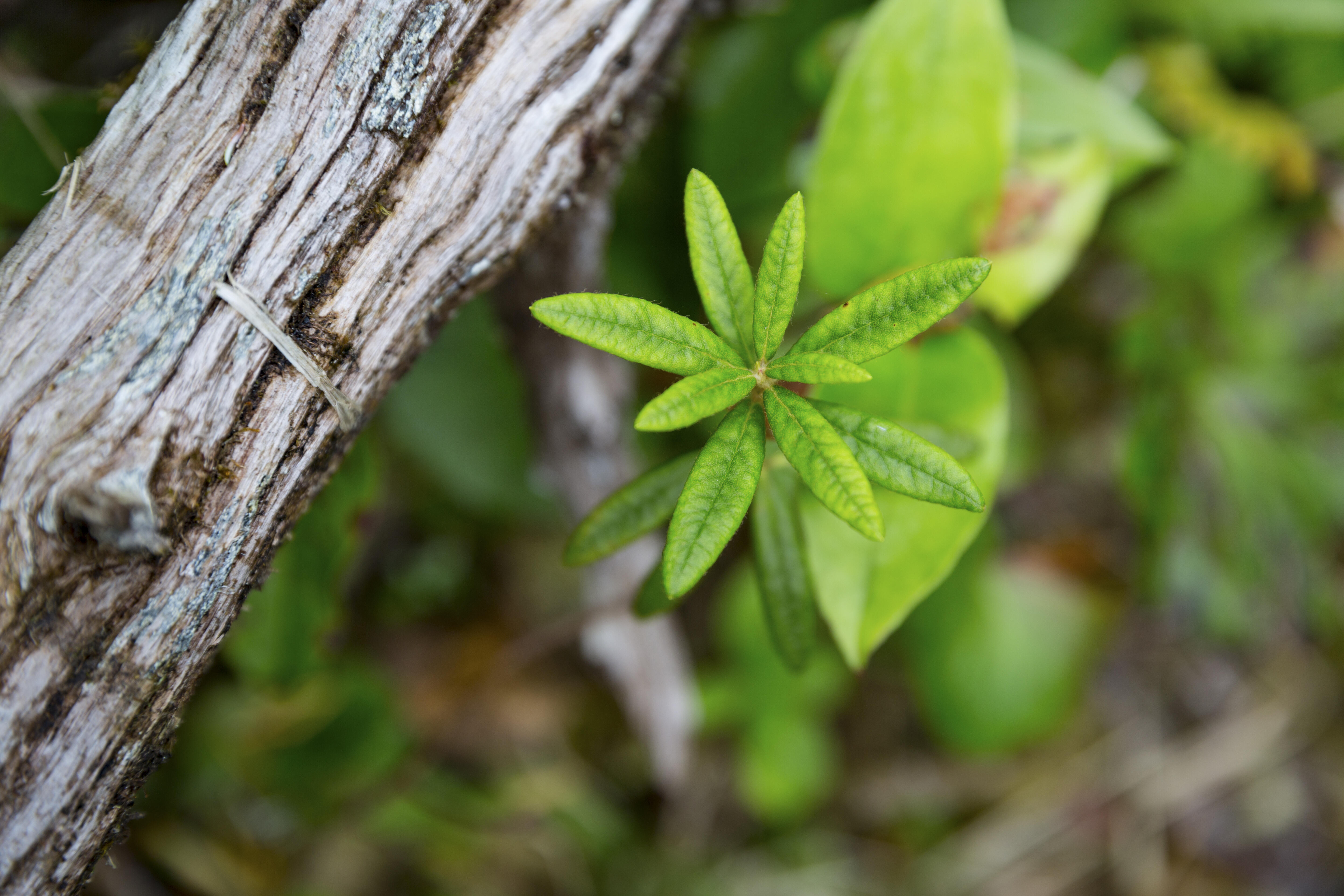
The Great Bear Rainforest is an example of how, when implemented with strong Indigenous leadership, Natural Climate Solutions benefit people and nature. Here is one of the highest bars in the world for sustainable forest management: a place where not only old-growth forests are protected, but also local, community values. We offer targeted assistance to First Nations in the region to help them maximize the benefits of this framework. We also provide support for three carbon-finance projects that directly benefit First Nations. These projects connect the opportunities for carbon storage in the Great Bear Rainforest to the global carbon market, and they provide a model for sustainable revenue for other Indigenous communities.
Economic Development
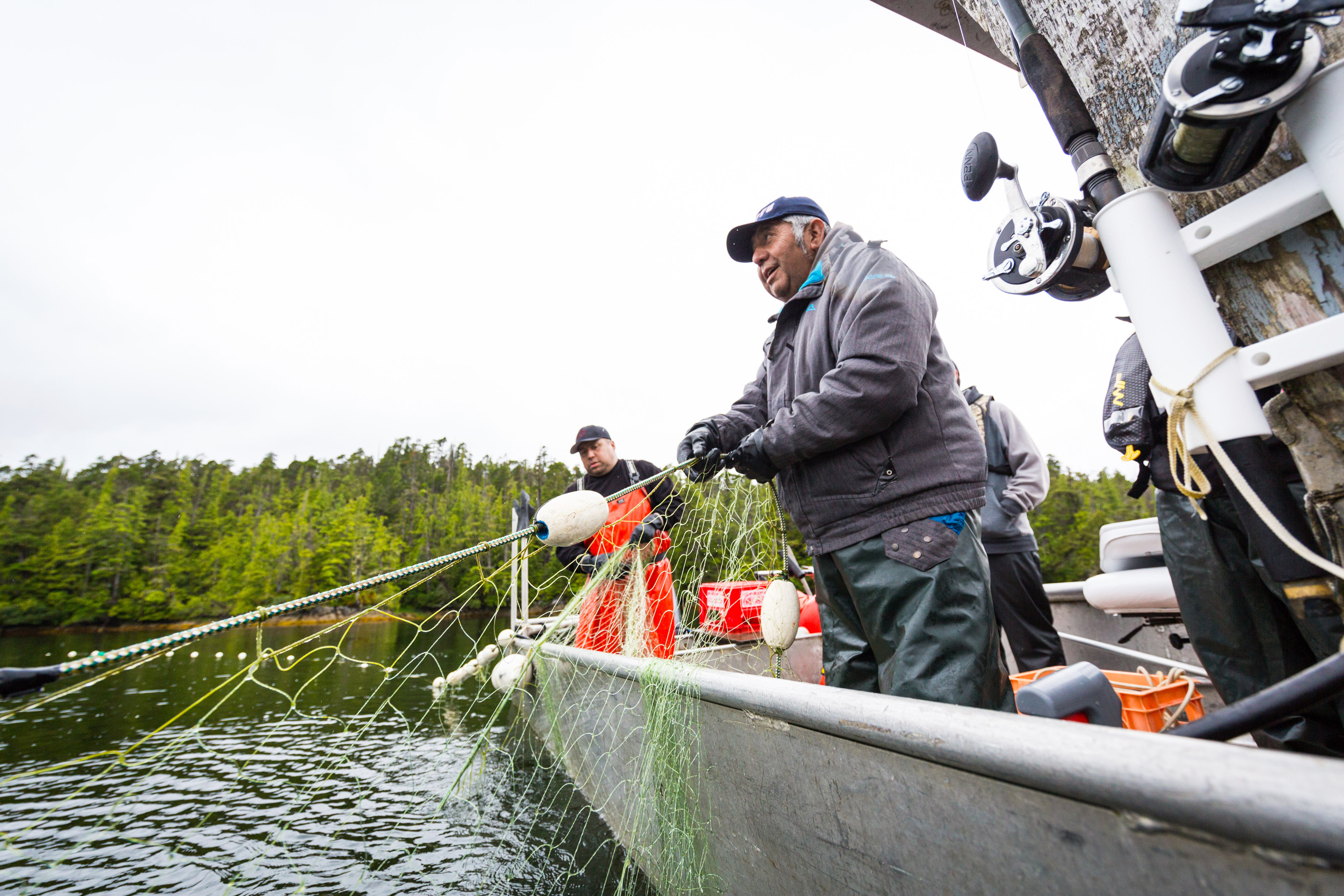
A unique goal of our work in the Great Bear Rainforest has been to support a resilient coastal economy to underpin meaningful and lasting conservation.
With an initial $39 million investment in the Great Bear Rainforest, The Nature Conservancy leveraged additional private and public funding, resulting in the $120 million Coast Funds—divided evenly between an endowment to support conservation activities and a sinking fund to drive sustainable economic development.
As a result of these investments, 45 new businesses and 767 new, permanent jobs have been created in First Nation communities.
Indigenous-led Stewardship
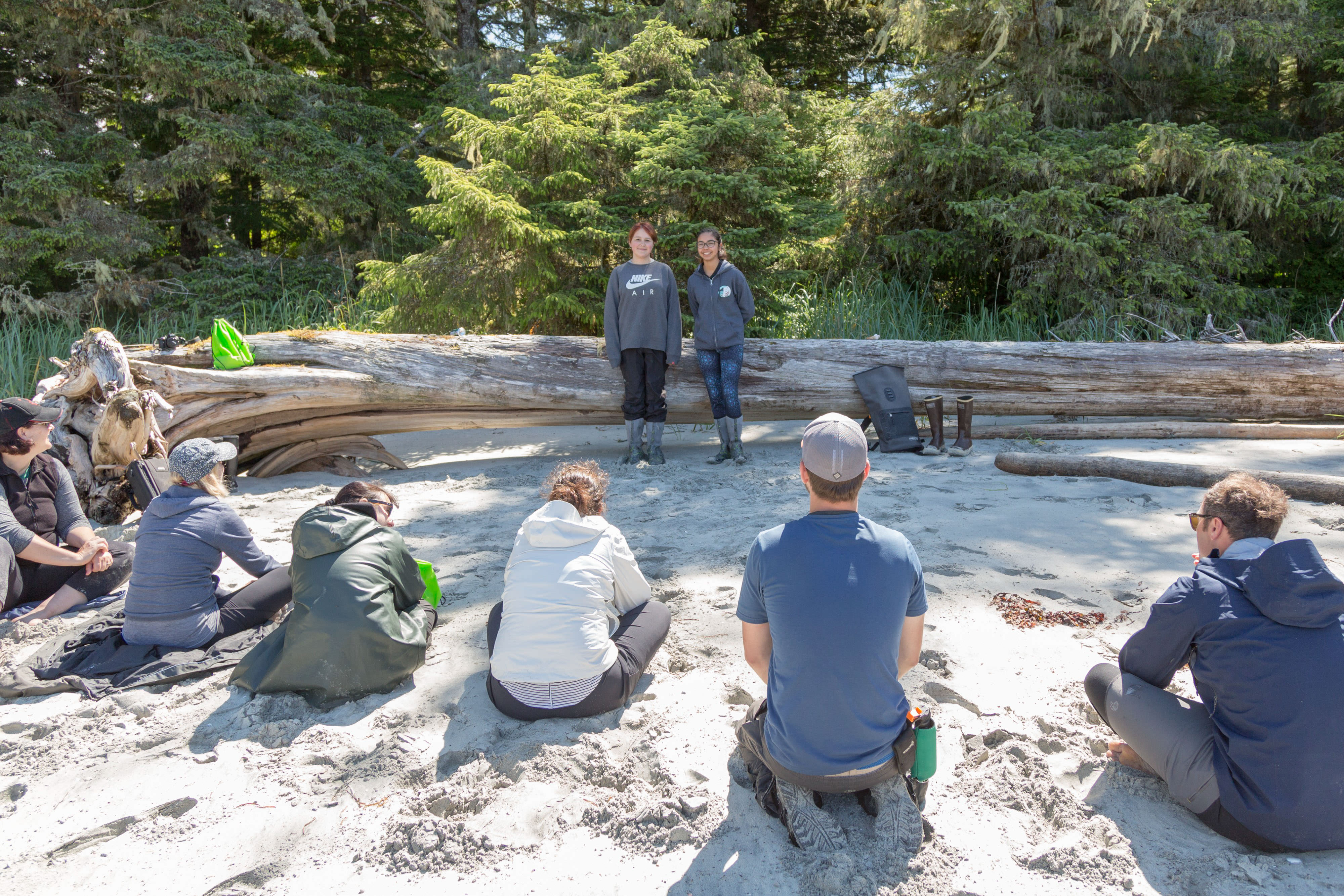
Throughout coastal BC and in the Great Bear Rainforest, TNC and our Canadian affiliate (Nature United) provide virtual and on-the-ground support to Indigenous Guardian programs.
Our Emerging Leaders initiative is another key piece of our organizational priority to support Indigenous authority in Great Bear. Launched in 2009, Supporting Emerging Aboriginal Stewards (SEAS) is running in three communities on the B.C. coast—Heiltsuk, Kitasoo Xai'xais and Nuxalk First Nations. SEAS school programs comprise classroom and field trip activities that connect youth with the lands, waters, seasonal harvest cycles and cultures of their traditional territories. Summer internships provide older students with opportunities for immersive hands-on experience in stewardship roles.
Support Our Work in the Great Bear Rainforest
We need your support to continue our momentum working with local Indigenous communities to develop a model for sustainable resource management that will have global implications. The time is now to invest in the Great Bear Rainforest.
More Stories

Photographing the Great Bear Rainforest
Photographer Jon McCormack shares why he is so inspired by nature in the Great Bear Rainforest.

Working With Indigenous Peoples in Canada
The increased authority and capacity of Indigenous peoples to steward their lands and waters is critical for the future of healthy ecosystems and communities, and it results in effective and durable sustainable management over time.

Thaidene Nene Reality
Indigenous leadership coupled with transformational support from The Nature Conservancy led to the protection of 6.5 million acre Thaidene Nëné, which translates to “Land of the Ancestors” in the Dene language. The park is in Canada’s Northwest Territories.