


Invasive Rusty Crayfish TNC Michigan fisheries team working with members of the DNR to monitor rusty crayfish, an aquatic invasive species in the Great Lakes that eat native fish eggs. © Jason Whalen/Fauna Creative
The Great Lakes are cherished for many reasons, from their natural beauty and recreational opportunities to their vital contributions to local economies. Yet the lakes also hold the unfortunate title of “most heavily invaded freshwater ecosystem in the world.” About 188 fish, plants and other species from other parts of the world have become established in the Great Lakes basin. The majority of these nonnative species live alongside native species, causing few to any problems. But about 34% are deemed “invasive” because they cause immense harm to other wildlife and plants, and or the economy, or people’s health.
Aquatic Invasives Gain a Foothold
How did these invasive species get into the Great Lakes? Mostly from human activities.

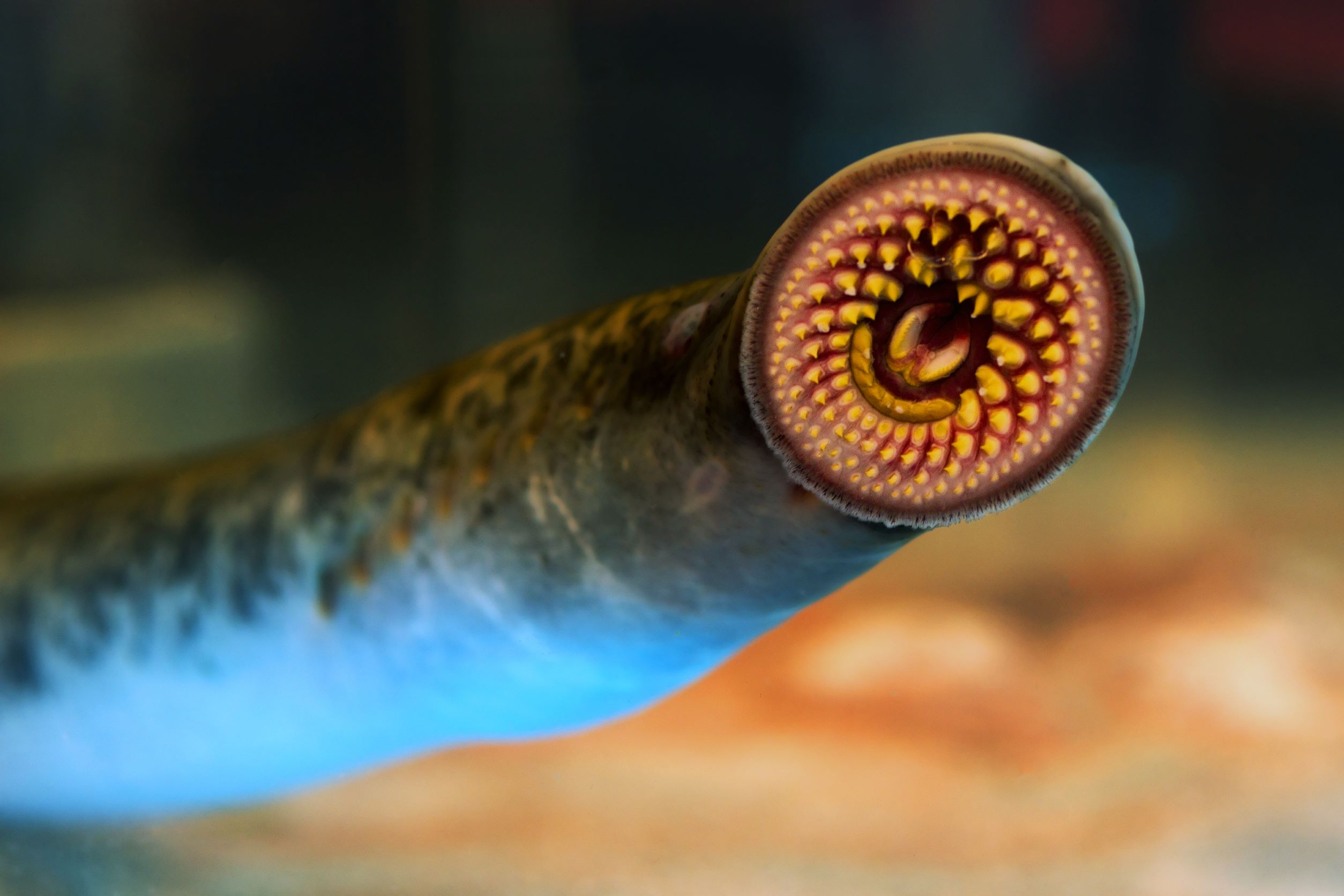
Some, like the sea lamprey, entered the Great Lakes from the Atlantic Ocean through human-built canals and locks.

Many invasive species, including the round goby, were released into the lakes by ocean ships purging their ballast waters (sea water carried to provide stability) in the lakes.
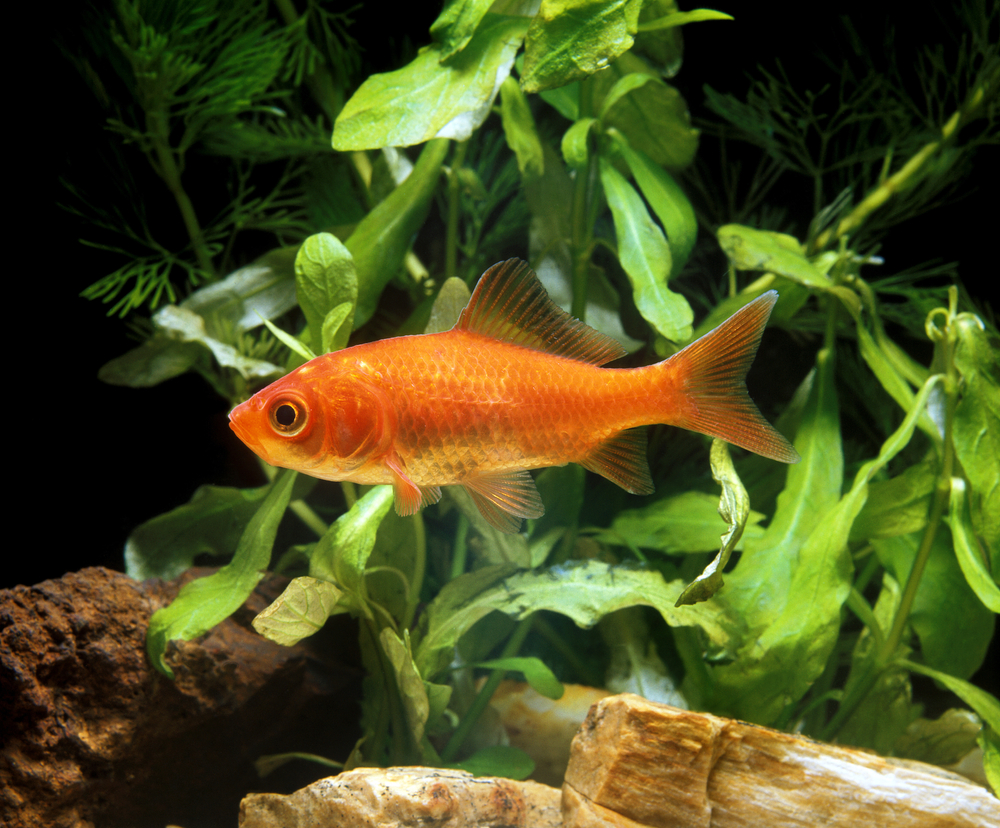
Other invasive species, such as common goldfish, rusty crayfish and the water thyme hydrilla, were purchased by people as fish bait or for aquariums, water gardens and other farm ponds. Then the species escaped or were released into the streams, rivers or waters of the Great Lakes.
Fortunately, important strides have been made in recent decades to address the invasive species challenge in the Great Lakes. Successful partnerships involving federal, state, provincial and Tribal agencies, as well as nonprofits like TNC, have been key to progress. People are coming together, combining expertise and resources, to solve the problem with science-based solutions. Already, the rate of new invasive species entering the lakes has been dramatically reduced. Now, energies are focused on improving the early detection of species to prevent their establishment and spread, as well as controlling populations of established harmful invasives.
Biodiversity Loss
The loss of biodiversity around the globe is one of the most complex challenges of our time, alongside climate change. One way to rein in biodiversity losses is to curtail invasive species. According to the Intergovernmental Science-Policy Platform on Biodiversity and Ecosystem Services, invasive species are one of the five major drivers of biodiversity loss worldwide.
Addressing the problem of aquatic invasive species in the Great Lakes is complex—but vital to the future of the region’s wildlife, fisheries, tourism and recreation. “Invasive species tend to be aggressive, reproduce quickly and have few, if any, natural predators,” says TNC’s Lindsay Chadderton, program director, aquatic invasive species. “As a result, they are able to quickly spread and outcompete native fish, invertebrates or plants for food and habitat.”
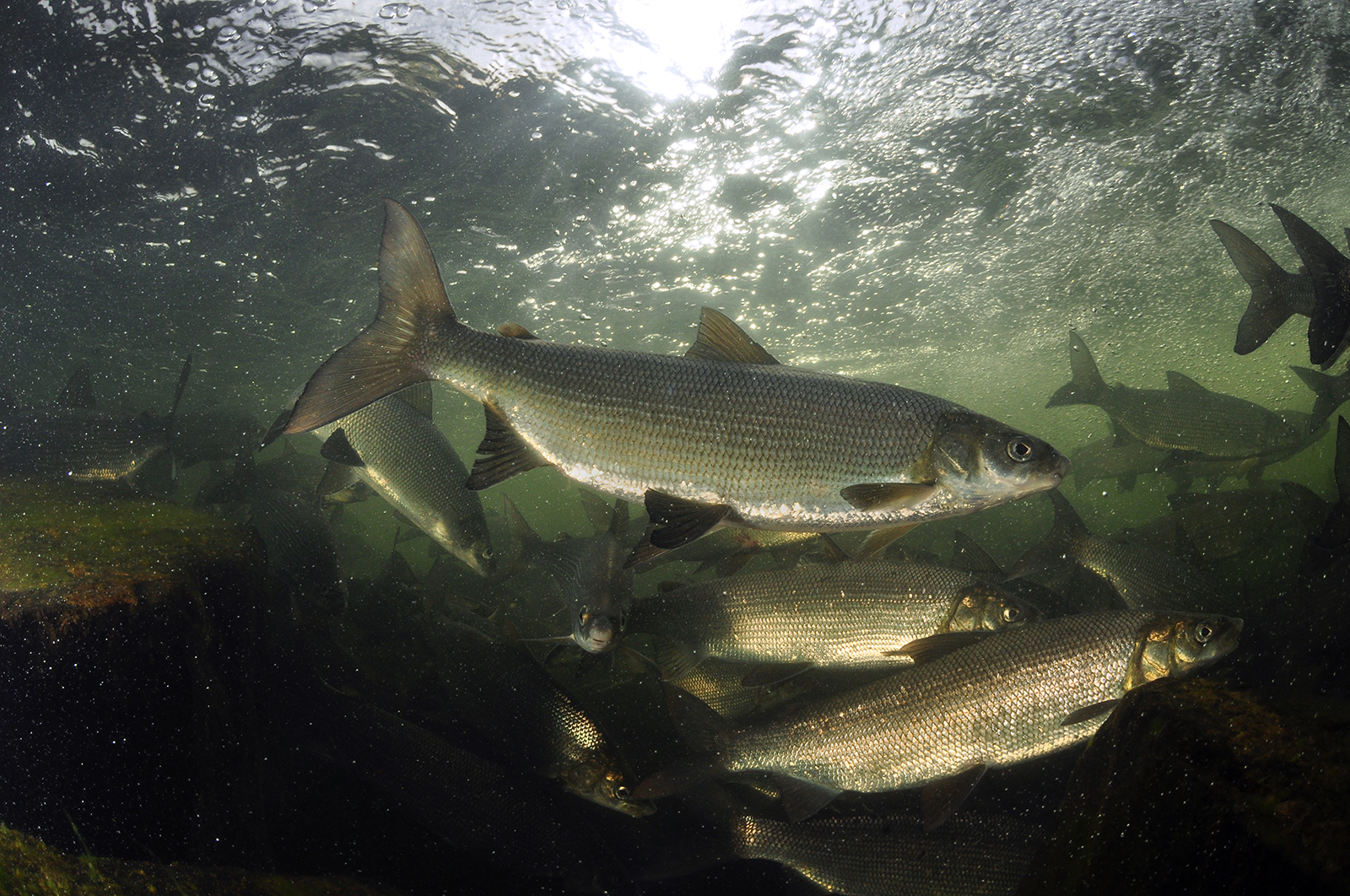
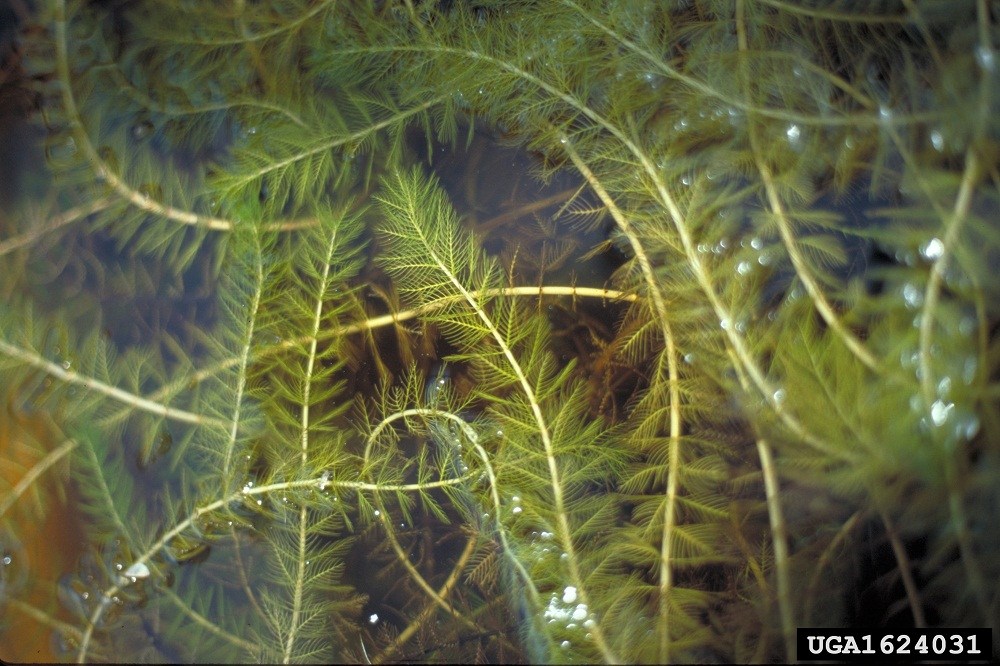
The spread of invasives contributed to the decline of whitefish, lake trout and other fish populations important to commercial fisheries as well as weekend anglers. At the same time, shorelines and waterways have been overtaken by noxious weeds, such as invasive common reed, Eurasian watermilfoil, European frogbit and starry stonewort. These invasive plants block panoramic lake views, crowd out native plants favored by birds and other wildlife, and get entwined in boat motors.
By the Numbers
Aquatic Invasive Species & the Great Lakes
-

188
Estimated number of nonnative species in the Great Lakes
-
64
Estimated number of nonnative species deemed “invasive” because of the immense harm they cause
-

-85%
Decrease in the rate of new invasives introduced to the Great Lakes, since 2006
-

$26
Million-per-year cost of controlling the invasive sea lamprey population in the Great Lakes

Aquatic Invasive Species
Click each species photo for more information.

Sea Lamprey
Sea lamprey, which are eel-like creatures with suction-cup mouths and sharp teeth, were famously depicted in the fictious horror movie Blood Lake: Attack of the Killer Lamprey. They attach themselves to fish for hours or days to feed on their blood, and the damage caused often leads to the host fish dying. (Sea lamprey do not attack people.)
Where are they from? Sea lamprey are native to the Atlantic Ocean. They first got into the Great Lakes in the 1800s and spread into the upper Great Lakes through the Welland Canal, which was built so ships could navigate around Niagara Falls.
Ecological and economic impact: Sea lamprey deplete fish populations. A single lamprey kills approximately 40 pounds of fish per year, according to the National Ocean Service. Sea lamprey were responsible for major declines in fish populations vital to Great Lakes fisheries, including whitefish and lake trout, during the 1940s and 1950s.
Outlook: Fortunately, scientists have determined how to suppress sea lamprey populations with barriers, traps that target adult spawning migrations and lampricide (chemicals), which are used to target juvenile lamprey in rivers before they migrate back to the open water of the Great Lakes.

Round Goby
Typically three to six inches in length, round gobies are small fish—but they are aggressive and prolific breeders.
Where are they from? The round goby is native to Eurasia, specifically the Black and Caspian Seas. They were first spotted in the Great Lakes in the early 1990s and are believed to have gotten here by riding in the ballast waters of ocean ships.
Ecological and economic impact: Round gobies have caused declines in native fish populations and negatively impacted the fishing industry. They aggressively compete with native fish for food, and they also eat the eggs and fry of native fish and many of the bugs and critters that native fish rely on for food. In addition, anglers complain that gobies steal bait off their lines.
As with many invasive species, the impact of round gobies is not always clear cut. On the positive side, round gobies eat invasive zebra and quagga mussels and are now an important food source for some Great Lakes fishes, native water snakes and water birds. However, round goby can pick up botulism from the mussels, passing this disease to birds and causing mass mortality events.
Outlook: Efforts are now focused on limiting further spread of round gobies into the inland rivers and streams in the Great Lakes basin. Scientists are also trying to identify how and whether to suppress round goby numbers on some critical habitats, such as native fish spawning reefs.
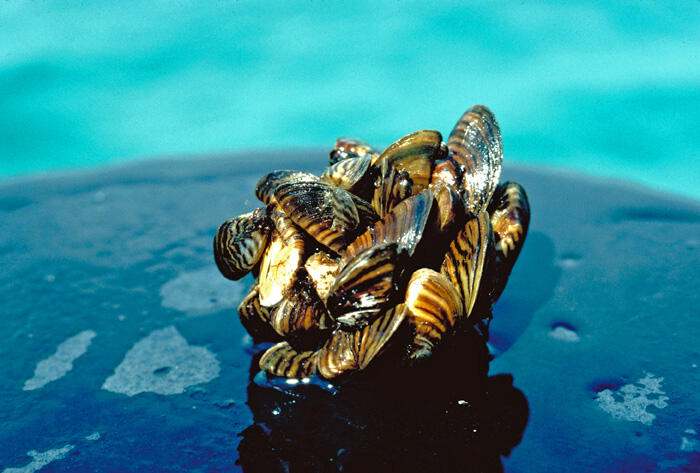
Quagga and Zebra Mussels
Where are they from? Native to Eastern Europe, zebra and quagga mussels got into the Great Lakes via ocean ships. These fingernail-sized creatures likely rode in the ballast waters of ocean ships and were then released into the lakes.
Ecological and economic impact: Quagga and zebra mussels consume massive amounts of phytoplankton and zooplankton, which are tiny plants and animals that many fish and larger zooplankton rely on for food. The mussels have dramatically disrupted the entire food web in the Great Lakes basin, reducing the movement of nutrients into offshore open waters. The mussels have also altered native habitats, smothering the habitats in clumps of live mussels or dead shells.
Importantly, by outcompeting larval fish for an increasingly limited zooplankton resource, the mussels have contributed to declines in some of the region’s important fisheries. They have also contributed to the loss of many species of native pearl mussels, which were an important part of the basin’s native communities but are now only a distant memory for older generations.
On the positive side, the mussels have been credited with cleaning up the waters of some Great Lakes. However, invasive mussels also contribute to toxic, foul-smelling, blue-green algae blooms in Lake Erie. The invasive mussels preferentially filter out the healthy algae in water and leave behind the harmful blue-green algae. In addition, the mussels’ excrement (pseudo-feces) can provide a flush of nutrients that can promote blooms.
The mussels also wreak havoc on industrial and city water (municipal) users by attaching themselves to the insides of pipes and water collection structures, resulting in expensive cleanup operations.
Outlook: Quagga and zebra mussels are widespread across the Great Lakes basin and the United States. Nationally, prevention efforts are trying to keep the mussels out of the few uninvaded major river systems, especially in the western United States. Scientists are trying to identify how to best suppress invasive mussels in the Great Lakes and elsewhere. Visit the Invasive Mussel Collaborative for more information.
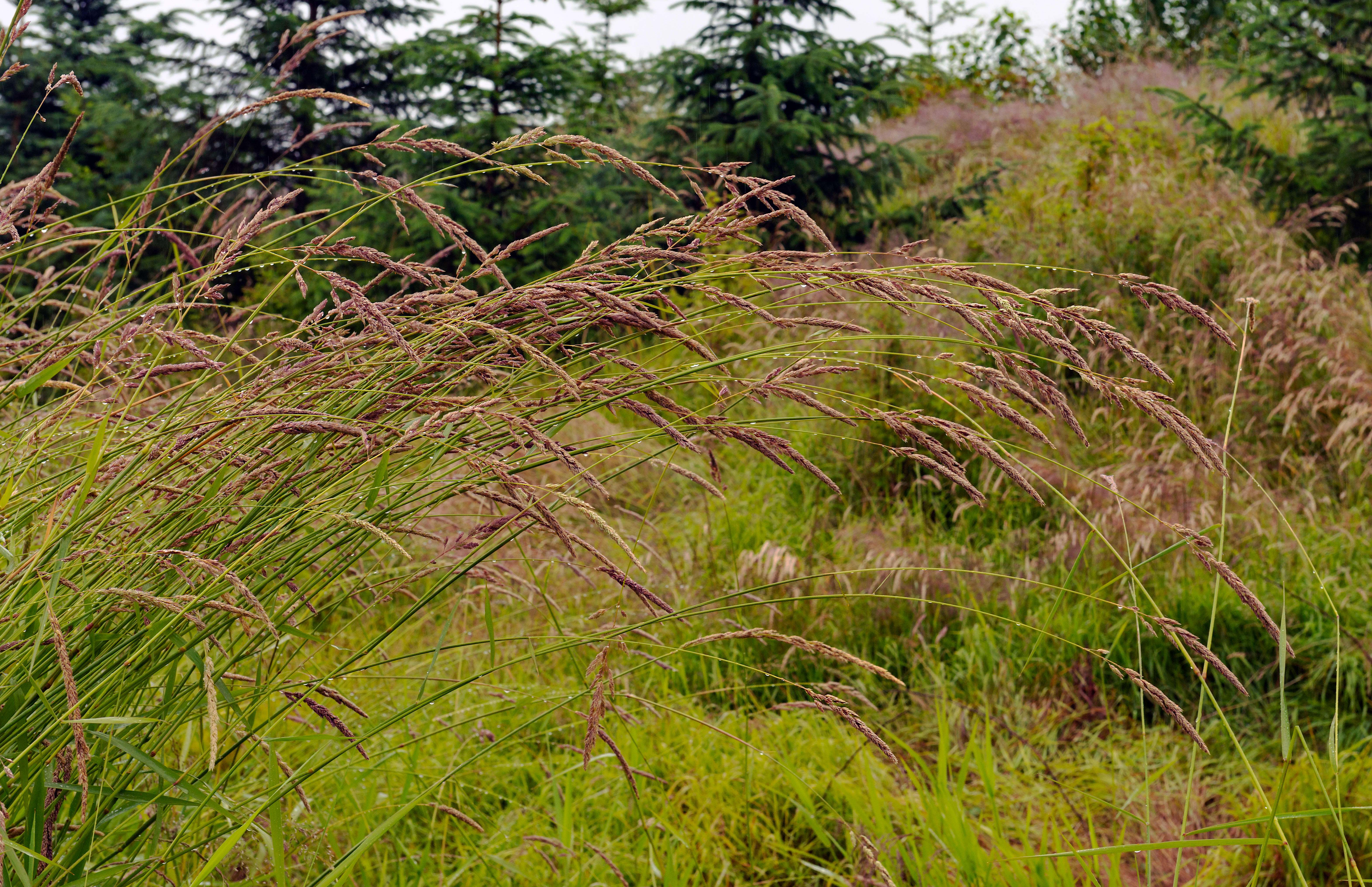
Invasive Common Reed
Where is it from? Invasive common reed is from Europe and was likely introduced in the eastern United States via ballast waters on ocean ships in the 1800s. The nonnative plant spread into the Great Lakes basin and across most of the country.
Ecological and economic impact: There is both a native and an invasive common reed. The two plants look alike, but the invasive species is darker in color and grows in denser stands than the native species, and today is far more common. Because of its jam-packed growing patterns, invasive common reed tends to crowd out other plants. The reed also has deep roots and releases a chemical into the soil, which further prevents other plants from growing. Phragmites have taken over shorelines and nearby wetlands, decreasing wildlife diversity and reducing recreational opportunities for birders and anglers.
Outlook: There are a number of control methods that can be used to suppress invasive common reed, including prescribed fire and herbicides and some promising new tools in development that offer more selective and effective management. Visit the Great Lakes Phragmites Collaborative for more information.

Rusty Crayfish
Where are they from? Native to the Ohio River Basin, rusty crayfish were likely transported to the Great Lakes by fishers who use this animal as bait.
Ecological and economic impact: Rusty crayfish tend to outcompete native crayfish for habitat and food. They are omnivores and eat a lot of invertebrates, fish eggs and aquatic plants, even to the extent that submerged plant habitats or algal forests are lost.
Outlook: Scientists are evaluating various control methods, including trapping rusty crayfish, to see if short-term suppression can benefit native fish spawning. New methods are being tested to respond to the recent spread of another crayfish species (red swamp crayfish), which might have potential in the management of rusty crayfish.
The U.S. Fish and Wildlife Service and state and provincial resource management agencies encourage anglers to dispose of unwanted bait in the trash and not release them into lakes and other waterways.
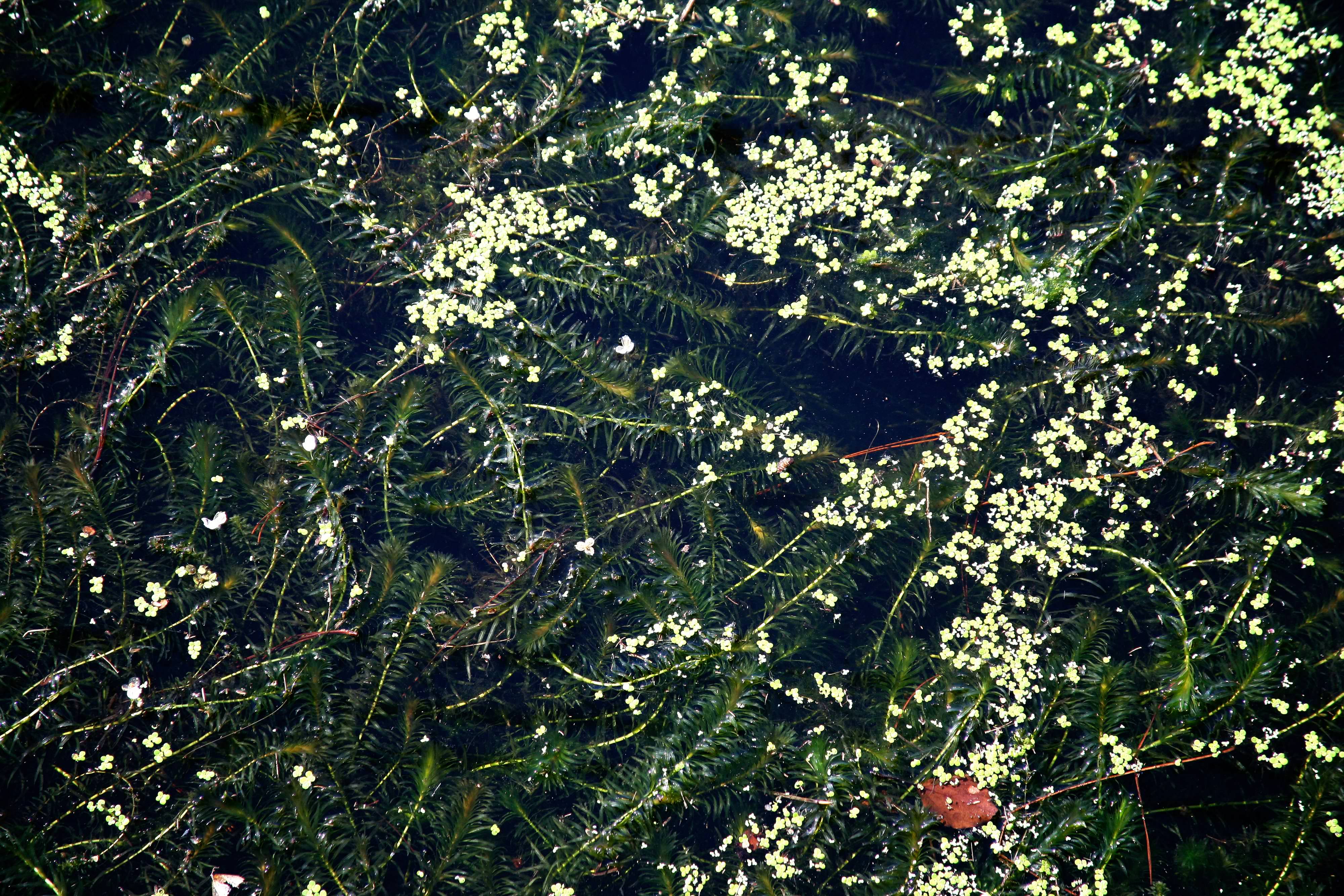
Hydrilla
Where is it from? Also known as water thyme, hydrilla is originally from Asia. The submerged aquatic plant was originally brought to the United States for use in aquariums and then released into waterways. Now the vine-like plant spreads most frequently by entwining itself around parts of recreational watercrafts and trailers.
Ecological and economic impact: Hydrilla grow in dense floating masses that crowd out other wildlife and deprive native plants of needed sunlight. The plants can clog waterways and impact hydroelectric power plants and other water-control structures. The plants negatively impact water quality by warming the water and decreasing oxygen levels. Hydrilla also impede recreational boating and fishing. The plants get tangled in boat motors and clog fishing and swimming areas. In addition, the thick mats create mosquito breeding grounds. Many millions of dollars a year are spent in the southeastern United States to control the impacts of this plant.
Outlook: Hydrilla has been found in a number of rivers, streams and other waterways that feed into Lake Erie and Lake Ontario. State and local managers are actively trying to control or eradicate all known populations and using a combination of inspection, outreach and education to prevent further spread of the plant. Specific tactics include educating the public about how to inspect watercraft for hydrilla, removing the weeds and applying contact herbicides to mats of hydrilla to kill the plants.

We Can’t Save the Great Lakes Without You
Sign up to receive regular updates from The Nature Conservancy.
Preventing Species from Entering Our Waters
Evidence that prevention efforts are making a difference is illustrated by the 85% decline (between 2006 and 2019) in the discovery rate of nonnative species newly established in the Great Lakes.
What’s behind this important achievement? Evidence points to new ballast water regulations, issued by Canada and the United States in the mid-2000s, as the primary cause for this major prevention win. (Ballast water is the seawater that ships carry in their ballast tanks to provide stability.) TNC helped support the passage and retention of these regulations, which require all transoceanic ships to flush their ballast tanks with salt water to kill freshwater organisms living in the tanks, as well as to adopt additional treatment systems. The regulations are enforced through comprehensive inspections. Today, saline testing of ballast tanks occurs in 100% of ships coming into the Great Lakes.
Now government agencies and nonprofits are collaborating to prevent invasive species from getting into the lakes through routes other than ballast waters. Potential avenues include hitchhiking onto boats or people’s shoes, the release of aquarium pets or water garden plants into the lakes, the migration of species through canals that connect the basin to other watersheds and the release of live bait by anglers.
TNC is working with partners to better understand these potential pathways and develop solutions to close them. Below are three examples of how we are doing this.
Example One
Removing known invasive species from retail sales
Nonnative fish, animals and plants that are sold in pet stores, aquariums and bait shops have the potential to become invasive species if accidentally or deliberately released into the Great Lakes. For example, a pet store may sell a non-native plant that looks beautiful in a home aquarium. But when the water from that home aquarium is emptied into a local river or stream, it carries that plant along with it, increasing the risk that this species could take root and become invasive in the Great Lakes.
To prevent scenarios like this, TNC and partners have developed science-based risk assessment tools to identify nonnative organisms that are likely to become invasive if released. The tools are intended to help state, provincial and federal lawmakers determine when it is appropriate to prohibit the sale of a particular organism because it would likely harm native ecosystems.
Historically, there has been a lot of variation in the species that each state or province prohibits from being sold. Without rules to prevent interstate transport and sale, the regulations of individual jurisdictions were only as strong as their weakest neighbors. TNC and partners are working with the Great Lakes Aquatic Nuisance Species Panel to develop lists of invasive species that have the greatest potential to arrive, spread and cause harm in the Great Lakes.
As a result of these efforts, the National Oceanic and Atmospheric Administration (NOAA)'s Great Lakes Environmental Research Laboratory has developed a clearinghouse to make all this risk assessment data available. Armed with this science-backed information, management agencies and legislators are working together to consistently manage the trade of these organisms across shared waters. As a result, the number of species regulated by at least half of the Great Lakes states and provinces increased from 10 to 44 between 2008 and 2020. (Blue Accounting provides more information on this work.)
Example Two
Promoting the inspection and cleaning of recreational boats and other watercrafts
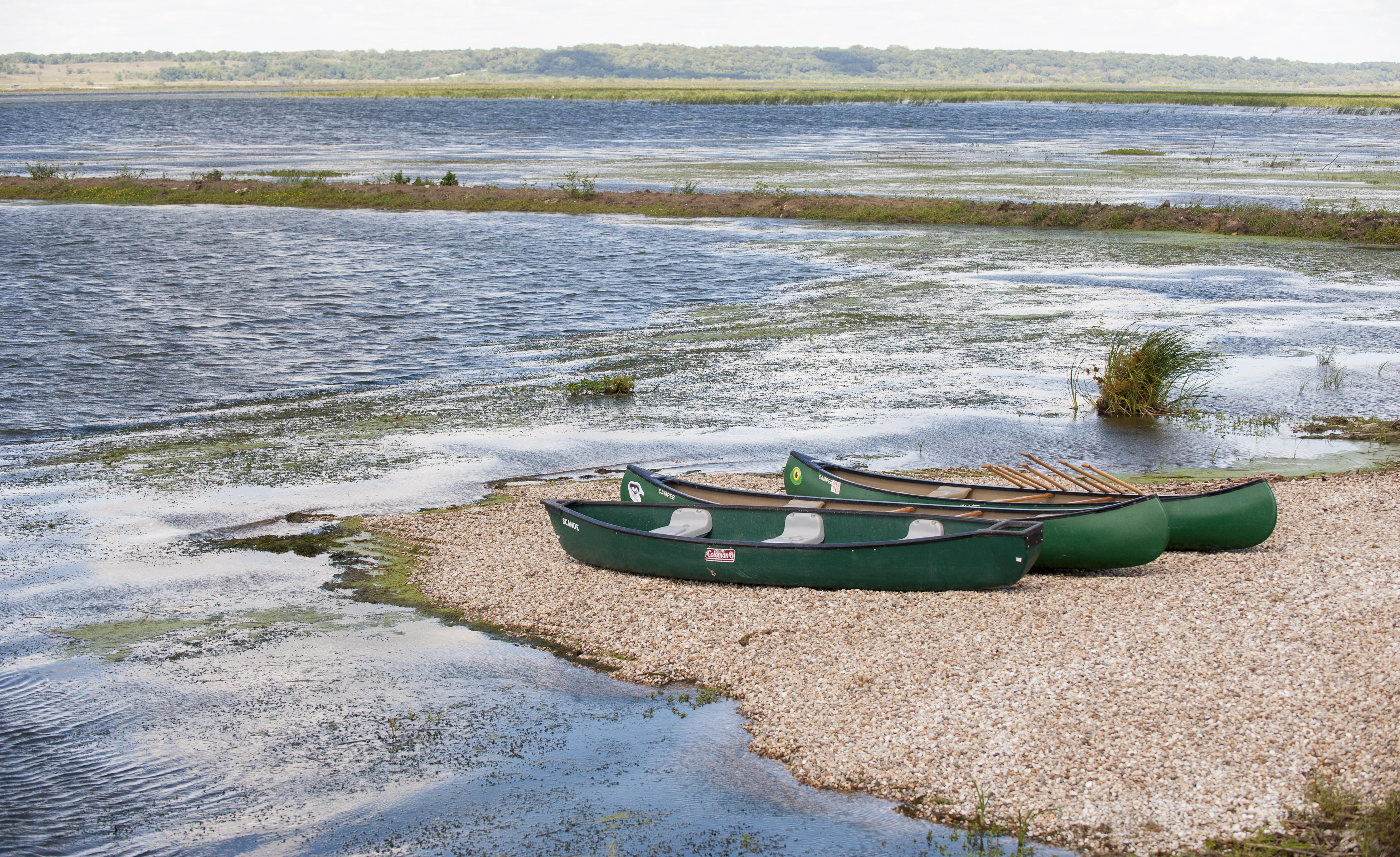
Recreational boating is an important part of life on the Great Lakes. Unfortunately, invasive species can spread through our region by hitchhiking on boats and other recreational watercraft and equipment, such as fishing gear or waders. As boaters travel and move their vehicles between different bodies of water, invasive mussels, plants and other organisms can cling to the craft’s hull, anchor, motor props, bilge and even the trailer itself. Large boats aren’t the only vehicles of transportation. Invasive species can also be brought to new habitats on jet skis, wave runners and non-motorized crafts, such as canoes and kayaks.
While some invasive species may be large enough to see and remove by hand, other invasive microorganisms that travel on watercraft may be invisible to the naked eye or hide in places that can only be observed by deliberate inspection.
This is why TNC actively promotes the adoption of the U.S. Fish and Wildlife Service’s Stop Aquatic Hitchhikers campaign, which encourages people to follow a three-step process before moving boats and other watercraft from the water:
Clean off visible aquatic plants, animals and mud from all equipment before leaving water access.
- Rinse equipment and boat hulls (with high-pressure, hot water when possible)
- Rinse interior compartments of boats with low-pressure, hot water (120°F)
- Flush motor with hot water (120°F) for two minutes (or according to owner’s manual)
Drain motor, bilge, livewell and other water-containing devices before leaving water access.
Dry everything for at least five days OR wipe with a towel before reuse.
In addition, Natural Resource Management Agencies across the basin encourage anglers to dispose of unwanted bait, worms and fish parts in the trash. When keeping live bait, drain bait container and replace with spring or dechlorinated tap water. Never dump live fish or other organisms from one water body into another.
Some agencies have also adopted regulatory-based inspection and decontamination policies for recreational watercraft, and all have ongoing outreach and education programs, as described by Blue Accounting. Across the basin, regulatory programs vary in the specific activities that are regulated (for example, possession and transport of plants and animals, draining of water from bilges and livewells) as well as agency authorities (e.g., mandatory inspection) and associated penalties.

Example Three
Advocating for barriers on canals
To aid travel and commerce, humans built locks and canals to connect the Great Lakes with other river basins like the Mississippi, Ohio and Hudson/Mohawk rivers or to allow ships to bypass natural barriers like the Niagara Falls. Historically, these natural barriers prevented the movement of species between Lake Ontario and the upper Great Lakes, or between the basin and these other river systems. Unfortunately, in addition to facilitating the transport of goods and recreational vessels, these canals provide artificial connections that have enabled the movement of many aquatic invasive species into and out of the Great Lakes—and are one reason why the basin has been referred to as a beach head for invasion of North America.
The Great Lakes region has a long history of using barriers to help manage invasive species. For example, dams are a cornerstone of the sea lamprey control program, and a set of electric barriers are maintained in the Chicago Area Waterway System to prevent invasive carp from entering the Great Lakes.
There is renewed interest in developing smarter barrier methods that can prevent the movement of aquatic invasive species through canal systems or waterways while still allowing for commerce and the movement of native species. For instance, the U.S. Army Corp of Engineers is fortifying the Brandon Lock and Dam on the Des Plaines River, south of the electrical barriers in Chicago, to block invasive carp from getting into Lake Michigan. A new locking mechanism is being added that will create a strong current to flush any fish downstream before a boat can enter the canal. Research is also under way to test a variety of other deterrents, including sound waves, electricity and bubbles. The goal is to stop invasive carp but not harm the migration of important native fishes.
TNC has been working to raise awareness about the need for more solutions to curtail the spread of invasive species on canals. For example, we have historically worked with our partners and federal and state agencies to track the spread of invasive carp through the Chicago Area Waterway System. In addition, TNC participated on a New York State task force, which recommended barriers as the most effective method of addressing the longstanding problem of invasive species movement in the Erie Canal, which has often been referred to as a “superhighway” for invasive species.
More recently, we have been conducting research at our preserves on new methods that could eventually be used on the Great Lakes. For instance, at Emiquon preserve in Illinois, TNC installed a state-of-the-art water-control device that allows conservation staff to manage the flow of water into and out of the preserve. Scientists have used the structure to test various methods for deterring invasive carp. Currently, a project is evaluating a fish identification and sorting apparatus driven by artificial intelligence that could eventually be used to recognize any invasive carp trying to get into the preserve via the waterway and automatically route those carp into a storage container while allowing passage of desirable fish species.
Early Detection and Response
While there has been substantive progress in preventing invasive species from entering the Great Lakes, some species are going to inevitably slip through. Recognizing this, TNC and partners are working to develop methods and put in place systems that allow the early detection of species soon after they enter the basin. If these populations can be found early, while their populations are still small and localized, it is more likely that they can be eliminated or at least contained.
The U.S. Fish and Wildlife Service is leading these regional efforts in consultation with their state partners. They have built a world-leading, regional surveillance program, which involves rigorous annual monitoring of multiple high-risk sites across the basin. TNC assists with this effort by helping to develop regional planning tools and innovative detection methods and co-facilitating an annual interagency regional planning meeting.
Pinpointing where to look for recent trespassers
The Great Lakes basin is big—with a total area of more than 295,000 square miles. Continuously monitoring all these miles of water and shoreline for newly intruding nonnative species would be costly and time-consuming. To address this challenge, TNC is working with a number of federal and state agencies, as well as other nonprofits, to determine how to best prioritize sites for surveillance.
A 2020 study led by TNC researchers determined that just over 30 sites across the U.S. waters of the Great Lakes basin accounted for much of the potential risk of new introductions of nonnative organisms, including fish, plants and invertebrates. Many of the highest-risk sites are located in Western Lake Erie, southern Lake Michigan and the St. Clair-Detroit River System. High-risk sites were identified by overlaying the location of the most important invasion pathways (for example, shipping, canals, recreational boating) and summing up the combined risk for each site. Now we are working with our partners to refine these tools and extend their use to inland waters and the Canadian waters of the Great Lakes.

Additional research by TNC and partners focused specifically on refining surveillance methods for invasive aquatic plants and helped kick off baseline plant surveys at some of the highest-risk sites across the Great Lakes.
All of this information on where nonnative plants and animals may enter the lakes is helping guide surveillance efforts around the region in order to refine targeted and cost-effective programs for early detection of aquatic invasive species.

Using e-DNA to guide surveillance activities
Similar to how human DNA is collected and used to solve crimes, animals and plants can shed genetic material into water, and this can be collected and used to determine whether a specific invasive species has found its way into the Great Lakes. Known as environmental DNA (e-DNA), this genetic-based surveillance method is particularly useful and cost-effective as an early detection tool. Water samples can be screened for the DNA of specific species when their numbers are still small and unlikely to be identified by traditional surveillance strategies (e.g., capturing fish in nets). In addition, the DNA samples can be used to characterize the whole community.
TNC played a critical role in testing and refining this breakthrough detection tool. Between 2009 and 2010, scientists from TNC and the University of Notre Dame collected and tested more than 1,000 water samples from Chicago area canals and waterways for the DNA of silver and bighead invasive carp. This research led to the discovery that these invasive carp were getting close to entering the Great Lakes—and helped convince federal and state agencies to refine the barriers in canals near Chicago to prevent these carp from entering Lake Michigan.
Today, eDNA has been widely incorporated into regional surveillance activities for invasive aquatic species.

How Can You Help?
Learn six steps you can take to avoid helping invasive species spread to the Great Lakes basin—and elsewhere.
Control and Management of Established Aquatic Invasive Species
The third key strategy involved in managing aquatic invasive species in the Great Lakes is to control or, if possible, eradicate established populations of invasive species.
Adopting a past success as a model for the future
The long-term successful suppression of sea lampreys in the Great Lakes provides a model for how an integrated management program can dramatically curb an established invasive species and generate valuable benefits to native species and the economy.
Sea lampreys, which are eel-shaped parasites, have killed untold numbers of lake trout, salmon and other lake fish. They were a key cause of the Great Lakes Fisheries collapse in the mid-20th century.
Today, the population of sea lampreys has been reduced by 90%, thanks to a coordinated U.S. and Canadian management program that is overseen by the Great Lakes Fishery Commission.


The integrated management program uses four suppression methods that were tested and proven to work in controlling sea lamprey:
Lampricides, which are pesticides that kill sea lamprey larvae but do not harm most other organisms when deployed appropriately
Traps to catch sea lampreys as they migrate to and from the streams where they spawn
Barriers to block sea lamprey migration to spawning areas and prevent adult lamprey from accessing spawning habitats
Pheromones and alarm cues, which take advantage of the natural odors that sea lampreys produce to lure migrating adults into traps or repel them from spawning habitats
Determining how to control the most harmful creatures and plants
With the science-based sea lamprey program—and the more recently formed Great Lakes Phragmites Collaborative—as guides, TNC and partners are turning our attention to how we might suppress other long-established and widespread Great Lakes invasive species.

One challenge is determining which species to focus on first. In a regional collaboration, TNC and partners are working with the Great Lakes Panel on Aquatic Nuisance Species to objectively identify the next suite of high-impact invasive species to control and manage. This list is likely to emphasize the importance of tackling species like quagga mussels, round goby or common carp. The information will help to guide discussions about which suppression efforts to prioritize and how to best support funding of these research and development programs.
Another key challenge is determining the suppression methods that work best for different invasive species. Many of the currently available tools are not species-specific and, thus, can negatively impact native species. Thus, these tools are usually only appropriate to use in small sites where the benefits of removing invasives outweigh the short-term effects on valued species.


More targeted control programs, as illustrated by the sea lamprey control program described above, take advantage of unique or specialized behaviors or biological requirements of a specific species. For instance, grass carp have specific spawning requirements, and they appear to be dependent on a small number of large, long rivers to spawn. Grass carp spawning migrations occur during summer flood events. Ohio’s Department of Natural Resources is using this Achilles heel to target these fish during spawning migrations to try and prevent their establishment in Lake Erie.
TNC is working with research and management partners to create a roadmap of potential suppression methods to help guide a more strategic approach to research and development of control tools for the next set of high-priority invasive species. This will involve bringing together scientific experts and invasive species managers to evaluate each species biology, available tools and any recent advances in the management toolbox to pinpoint the best approach for each species.
For instance, TNC is a member of the Invasive Mussel Collaborative and is participating on a team that is working to identify the most promising quagga and zebra mussels control tools. These efforts build off an initial experiment, supported by the collaborative, to test a promising new mussel toxin derived from a naturally occurring soil bacteria that has the potential to selectively suppress these two species.
Looking to the Future
TNC is optimistic about the future of the Great Lakes and our ability to protect native habitats for people and nature as well as key industries like tourism and fishing.
Over the past 20 years, vital partnerships have formed—involving federal, state, provincial and Tribal agencies, as well as nonprofits like TNC—to address the challenge of aquatic invasive species in the Great Lakes basin. These collaborations have been key to major advances, including:
The use of ballast water exchange and adoption of risk assessment tools to help remove invasive species from introduction pathways—which have contributed to the 85% decrease in new nonnative species invasions
The increasing adoption of eDNA as an early detection surveillance tool
The implementation of a regional surveillance program
Looking ahead, these partnerships will be key to solving remaining challenges as we continue our work to protect and restore the Great Lakes.
More Great Lakes News

Climate Change in the Great Lakes
Climate change is taking a significant toll on the Great Lakes region. Learn how The Nature Conservancy is working to secure a resilient future in this region.

Great Lakes Fisheries
In the Great Lakes, native fisheries are the foundation of a $7 billion commercial and recreational fishing industry, as well as a living indication of the health of the entire freshwater system.

Climate Resilient Landscapes in the Heartland
Our climate is changing and, along with it, the habitats that plants and animals rely on to thrive. Learn about the iconic forests and scenic waterways that TNC is protecting in the Heartland.