

Appalachians
Hope in a changing climate

-
Follow


The Appalachians is one of the most climate-resilient, biologically diverse, and carbon-rich landscapes in the world. This ancient chain of forested mountains, valleys, wetlands, and rivers nurtures a rich variety of wildlife, cultures, and communities. With 198 million acres spanning the continent from Alabama to the Canadian Maritime Provinces, the Appalachians is a critical 2,000-mile pathway of climate resilient lands and waters that store nearly a quarter of the forest carbon in the contiguous United States.
It is one of our last and best hopes for thriving nature.
Features

The Ultimate Appalachians Road Trip
Join us on an unforgettable road trip through the breathtaking Appalachians and experience nature at its finest.
The Future Forest: The Appalachians face multiple threats. Scientists are working to boost their adaptability.
The Appalachian landscape is a diverse, steadfast refuge for wildlife, but the world around it is changing. Scientists are researching how to make these woods more adaptable—and resilient—than ever.

Our Strategies
Click the tiles for details on our top conservation strategies and some examples of our work across the Appalachians.
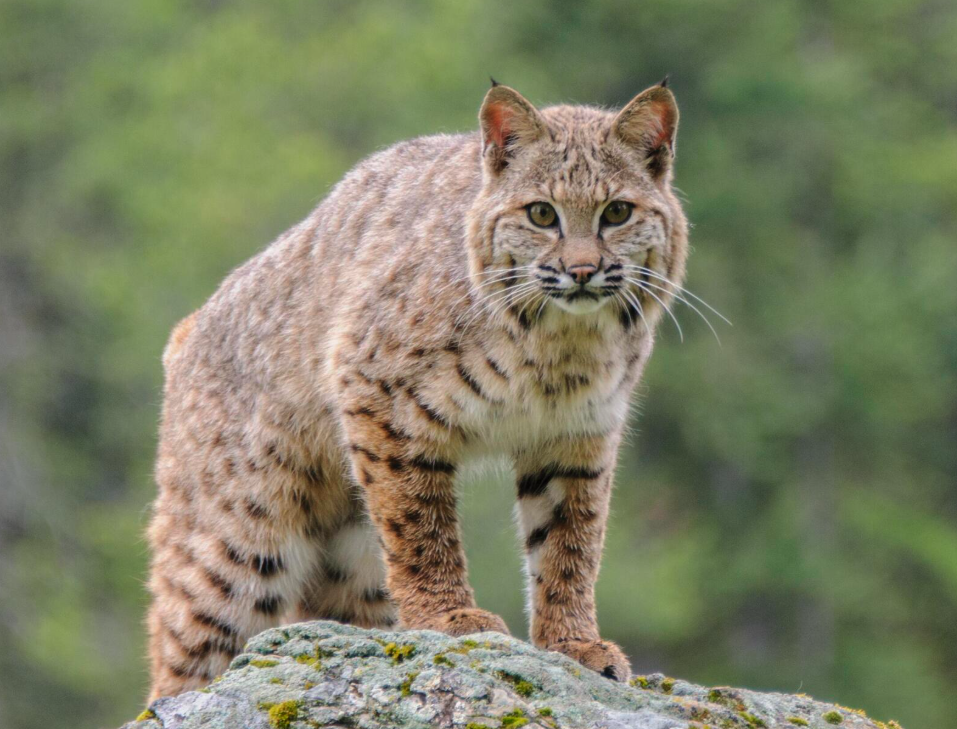
Connected Lands
Securing a continental-scale network of connected lands is critical to sustaining biodiversity into the future.
We protect and connect vital stretches of intact native habitat to create pathways for species to move and adapt.
The Resilient and Connected Appalachians (RCA) Grant Program supports partners, including land trusts, Tribal Nations, and municipalities to conserve lands and waters in priority locations.
We support transportation agencies and local partners to improve connected habitat for wildlife at critical road crossings and prevent wildlife-vehicle collisions.
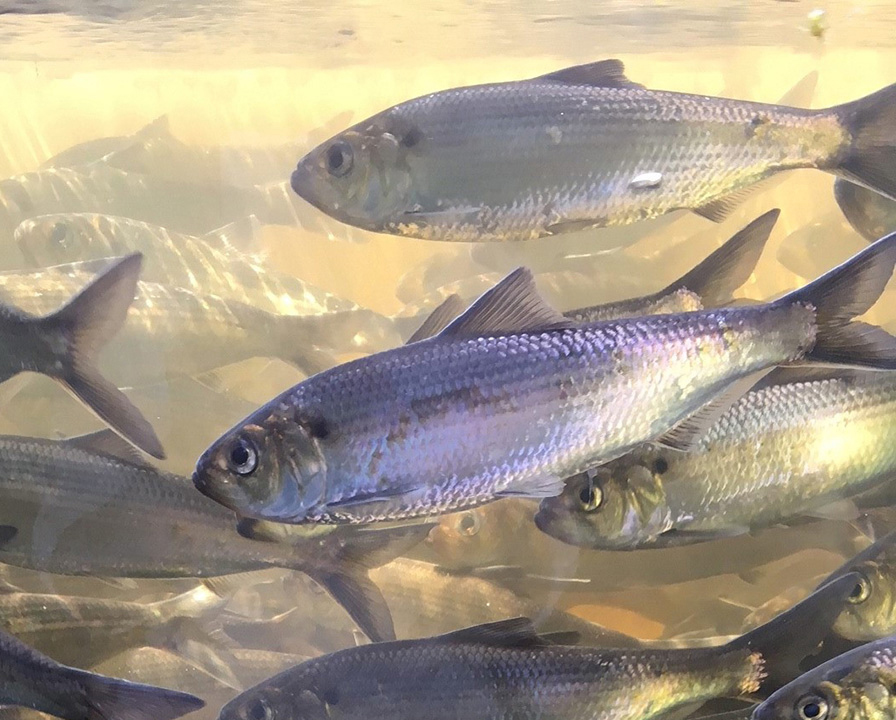
Reconnected Rivers
The Nature Conservancy, along with our partners, is working to safeguard the health of freshwater ecosystems in the Appalachians by reconnecting rivers, protecting and restoring floodplains, and addressing the impacts of aging infrastructure and flooding on human communities. By 2030, we aim to conserve:
· 22,000 miles of rivers
· 215,000 acres of lakes and wetlands
See how we are Reconnecting Appalachian Rivers.
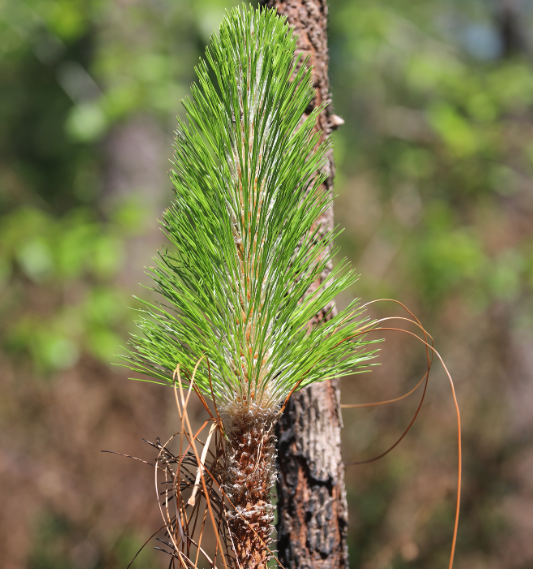
Resilient Forests
We improve the health and vitality of our forests by restoring and reforesting degraded lands, applying prescribed fire, and incentivizing sustainable, climate-adapted forest management.
Together with local communities, we restore forests on once degraded land, including former mined lands, providing additional protection from flood, drought, and wildfire while ensuring native plants and wildlife can thrive.
We’re building a sustainable workforce by investing in the next generation of fire practitioners and working with Indigenous communities to incorporate cultural burning practices.
We partner with local, state, and federal agencies and support private landowners to improve the resiliency, health, and biodiversity of Appalachian forest lands, both public and private.
Where We Work
Spanning from northern Alabama to the Canadian Maritimes, the Appalachians are a high priority for conservation by TNC. The boundary shown here was developed by TNC and reflects a combination of factors that define our Appalachians program area.

Appalachians By the Numbers
-

393,640
stream miles
-

198Mil
acres of land
-

$25Bil
annually in recreation and tourism economy
-

36Mil
people’s source of drinking water
-

9Bil
tons of forest carbon in the US stored in the region
-

64
high-priority migratory bird species
-

80K
occurrences of rare species
-

1.8Bil
tons of oxygen created
A Superhighway for Nature

Between east coast cities and the agricultural plains to the west, the Appalachian Mountains rise to form a natural superhighway for species to move. Whether seeking refuge from warming temperatures and extreme weather events, or migrating along an ancient flyway, the Appalachians can provide wildlife with a healthy and connected network of lands and waters – but only if we protect it.
View full screen Migrations in Motion map
Download
More Appalachians Stories


Videos About the Appalachians


Explore More

The Nature Conservancy awards over $1.2 million to projects in northern Appalachian states through new grant program
Land conservation projects across seven states will protect over 10,000 acres.

TNC to Receive $200 Million from EPA’s Climate Pollution Reduction Grant Program, Part of Historic $421 Million Multi-State Coalition Grant
TNC Chapters in Maryland, North Carolina, South Carolina and Virginia to Scale Up Forest, Peatland and Wetland Restoration Work Toward Carbon Reduction Efforts

Investment in Freshwater Connectivity Across the Appalachians
The Nature Conservancy Receives $250,000 Investment in Freshwater Connectivity from the Richard King Mellon Foundation.