
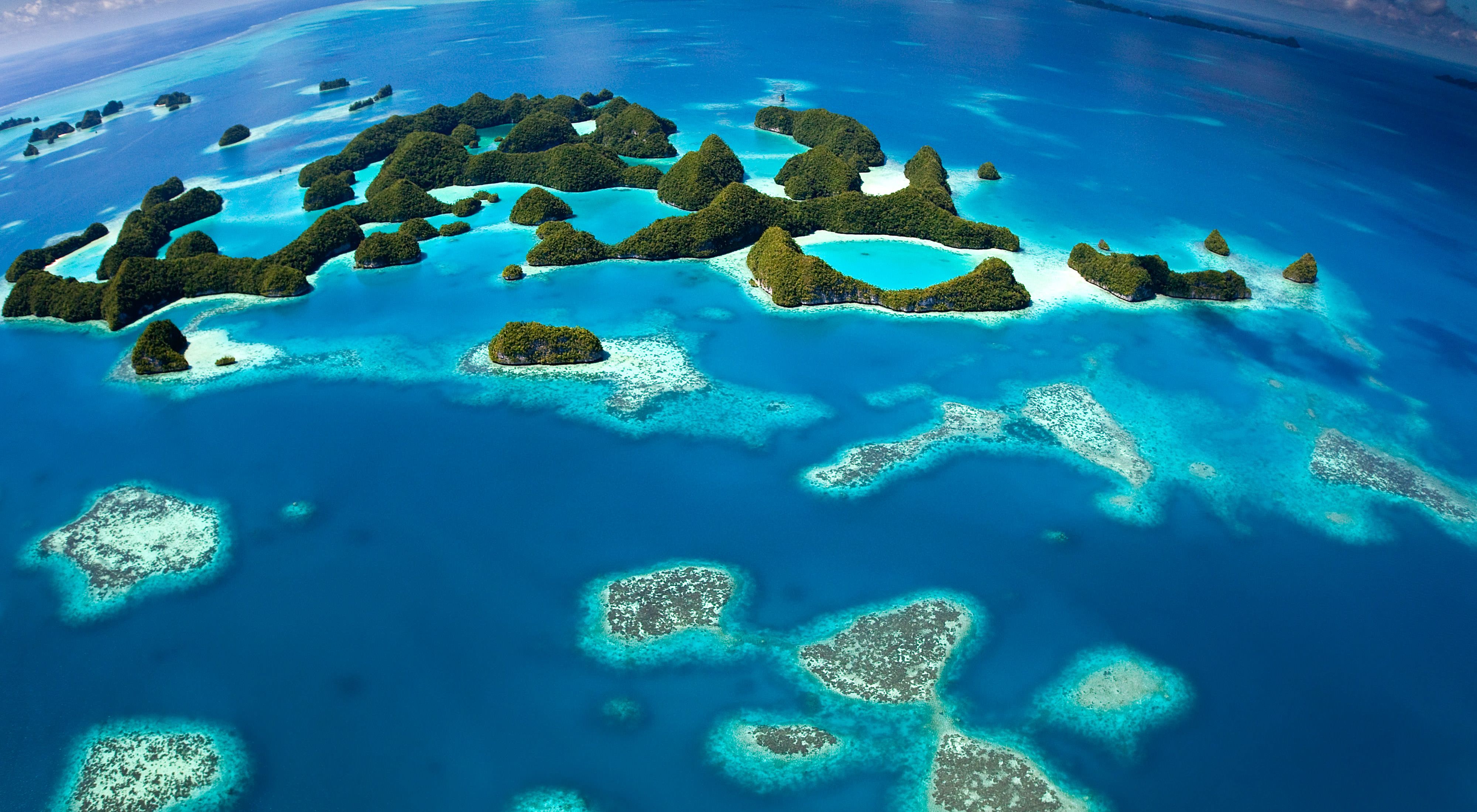
Solomon Islands

Places We Protect: Arnavon Islands

The Conservancy helped three communities come together to protect the Arnavon Islands

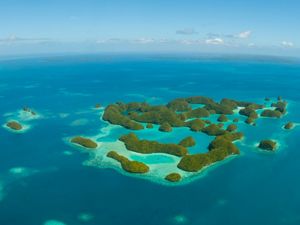
The Solomon Islands, a remote Pacific archipelago strung southeast of Papua New Guinea, form a double chain of 922 islands covering more than 835,000 square miles of ocean.

In 2004, a Conservancy-led scientific assessment showed that the Solomon Islands have coral diversity greater than most places on Earth and the country is one of the world’s top five for fish diversity. These results led scientists to extend the boundary of the Coral Triangle of marine biodiversity to include the Solomons archipelago.

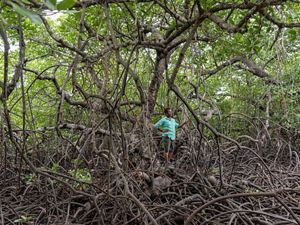
On land, with the exception of Papua New Guinea, the Solomon Islands have the greatest diversity of terrestrial vertebrate species of all Pacific Island nations.

The Needs of a Growing Population

Like other emerging Pacific Island nations with fast growing populations, the Solomon Islands are rapidly depleting their natural resources to provide basic necessities — including schools, roads, and clinics — for its mostly rural people. Sedimentation from logging, overfishing, and destructive fishing practices are impacting the marine environment. As a result, large tracts of native lowland forest have been lost and some of the world’s richest coral reefs are at risk.

The Partners

To address the short and long-term needs of the Solomon Islands people and their natural resources, the Conservancy is working closely with;

  • The Solomon Islands Government,
  • The Lauru Land Conference of Tribal Chiefs (LLCTC),
  • The Isabel Council of Chiefs (ICC) and
  • Local communities

to protect the marine and terrestrial resources of Choiseul and Isabel Provinces. The Conservancy is also working with the Solomon Islands government on national legislation and policies to protect the country’s natural resources which will ensure lasting food security for the people of the Solomon Islands.

Arnavon Community Marine Conservation Area

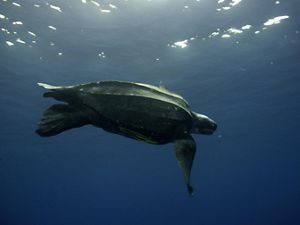
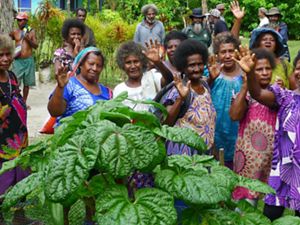
One solution is the Arnavons Community Marine Conservation Area (ACMCA)—encompassing 40,000 acres, three small uninhabited islands, flourishing reefs, fish-filled lagoons and beaches that are home to thousands of egg-bearing turtles. This Marine Protected Area (MPA) is run by an improbable cast of characters — a group of reformed arsonists, poachers and unreformed turtle eaters has teamed up with the Solomon Islands government and the Conservancy to recreate conservation around their own worldview. At the heart of the project are three communities, Katupika, Kia (both with ownership claims) and Wagina (environmental refugees from the Pheonix Islands in Kiribati) from Choiseul and Isabel provinces—a mix of tribes and cultures who argued over the use of the neighboring Arnavon Islands until agreeing on no use.

The Conservancy helped these three communities come together in 1995 to protect the Arnavon Islands and in the ten years since the ACMCA was established, dramatic increases in the number of hawksbill sea turtles nesting on the islands (an increase of nearly 400%!) have been recorded, as well as increases in populations of coral reef fish and commercial species of marine invertebrates.

Arnavons Endowment

In early 2007, the ACMCA became the first MPA in the Pacific to ensure its long term financial sustainability through the securing of funds for an endowment. The endowment will be managed as part of the Conservancy’s larger endowment fund, and within approximately three years, the interest earned from the fund will be enough to support the annual recurring costs of managing the ACMCA. This generous donation, from a number of dedicated Conservancy supporters, ensures that the ACMCA will be effectively conserved for future generations.

You can also play a role in the Conservancy’s long-term success in the Solomon Islands when you make a safe and secure online gift to support our global conservation work.

Beyond the Arnavons

The ACMCA’s wealth of coral reefs and marine life now serves as an example to community leaders, school children, and government officials who visit the site to learn about conservation. Leaders from the nearby community of Voza were inspired to establish their own marine protected area after an ACMCA visit, and other communities throughout Choiseul and Isabel provinces have also requested assistance to establish protected areas of their own. The Conservancy is now working with these communities to protect and restore the most resilient examples of ocean and coastal ecosystems to the benefit of marine life and local communities.

Get Involved

Join Now It's Free

Join the Conservancy's online community and you can explore new places, receive email you want and build your own personalized nature page!


Photos

Coral Triangle Photo Slideshow

Click on the image above to see some of the spectacular underwater species found in the Coral Triangle.

Things To Do
Plan Your Visit
Directions
Discussion

Have you been to this preserve? Are you thinking of visiting? See what others are saying about their experiences and add your comments below.

Add Your Comments

Time for you to join the discussion. Tell us about your experience at this preserve. What plants and animals did you see? When did you go? You can help others plan their visit when you share your thoughts. And thank you for visiting one of our nature preserves!

* Required Fields


First Name *
Last Name *
Email *
Message Title *
Your Comment *

Read our guidelines on posting comments

Read More

Greening Latin America