

The Nature Conservancy

Climate Strong Communities
Amid the challenges of a warming planet, we can find strength in nature—and in each other—to develop climate-resilient communities
Stepping Up Progress in this Defining Decade
Alongside communities, we’re urgently clearing obstacles and finding solutions to the climate and biodiversity crises.
We are dedicated staff, scientists and members advancing effective, lasting conservation in more than 80 countries and territories.
To make the highest possible impact on the climate and biodiversity crises between now and 2030, we’re developing breakthrough ideas, amplifying local leaders and influencing policy.
There are so many ways to make positive change for our planet. Volunteer with us. Learn how to reduce your carbon footprint. Donate to conservation work.
Dense rainforests, remote coral reefs and the hearts of major cities. Our strategies are as diverse as the habitats and geographies in which we work.

Our Mission
Conserving the lands and waters on which all life depends
Every acre we protect and every river mile we restore begins with you. Your support helps us take on the dual threats of climate change and biodiversity loss across 80+ countries and territories.
Get our latest conservation news and see how we’re protecting our natural world.
Our Goals for 2030
We’re racing to hit these targets to help the world reverse climate change and biodiversity loss. Together, we find the paths to make change possible.
View Our Priorities-

3B
Avoid or sequester 3 billion metric tons of carbon dioxide emissions annually—the same as taking 650 million cars off the road every year.
-

100M
Help 100 million people at severe risk of climate-related emergencies by safeguarding habitats that protect communities.
-

650M
Conserve 650 million hectares—a land area twice the size of India—of biodiverse habitats such as forests, grasslands and desert.
-

4B
Conserve 4 billion hectares of marine habitat—more than 10% of the world’s oceans—through protected areas, sustainable fishing and more.
-

1M+30M
Conserve 1 million kilometers of rivers—enough to stretch 25 times around the globe—plus 30 million hectares of lakes and wetlands.
-

45M
Support the leadership of 45 million people from Indigenous and local communities in stewarding their environment and securing rights.
What’s New in Nature
Recent updates, immersive stories and relevant explainer articles from around The Nature Conservancy.


Nature Conservancy Magazine
Return of the Rhino
Efforts to restore critically endangered black rhinos are protecting a piece of Kenya’s national heritage.

Seas the Day!

Ten Ways to Unlock an Ocean of Opportunity
Read about 10 strategies to protect and restore more of the ocean and reduce the impacts of climate change, while exploring examples of these efforts around the world.

Exploring Nature: Sandy Beaches
Welcome to Exploring Nature, an illustrated blog series that (re)discovers the natural world through art, science and observation. Today we'll explore sandy beaches.

Sharks of New Jersey
New Jersey’s back bays and coastal salt marshes are some of the state’s most productive habitat and act as nurseries for everyone’s favorite apex predator, sharks!

Beach Safety Tips
How to avoid being bitten or stung this summer.
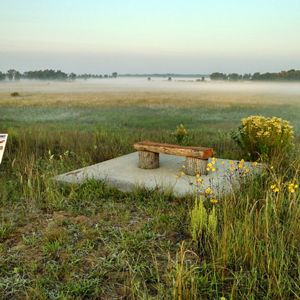
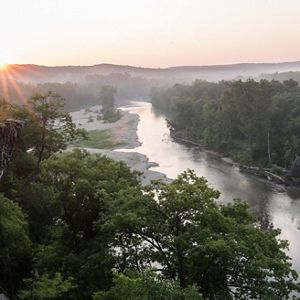

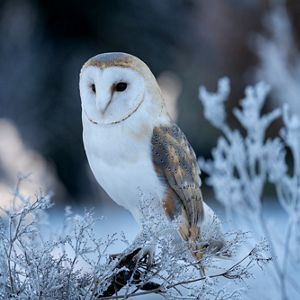
Discover Conservation Near You
Explore what The Nature Conservancy is doing in your community and support local conservation.

