

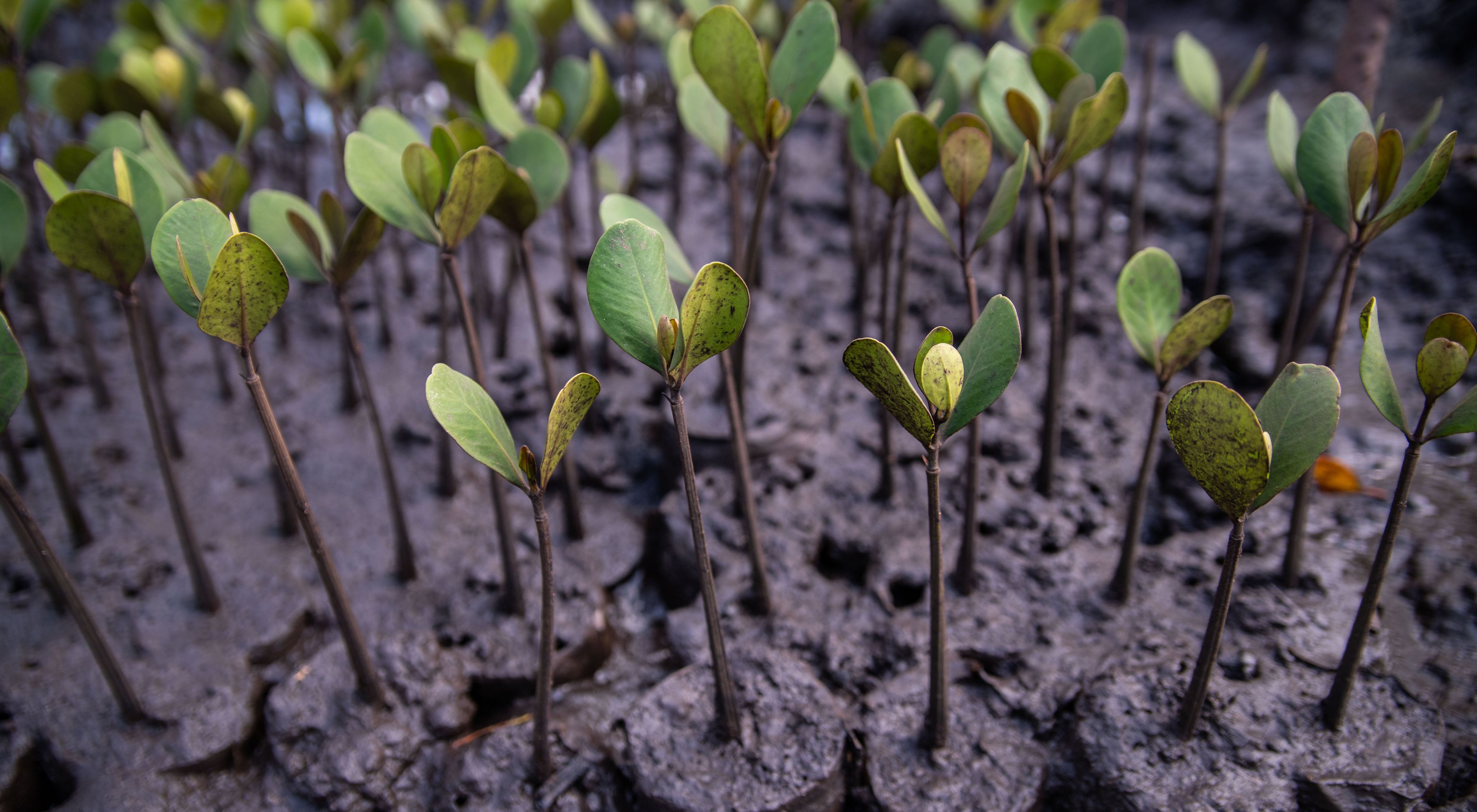
Climate change is here now. We can limit further warming and the dangers it poses—if we act now. Every fraction of a degree matters.
What we do between now and 2030 will determine whether we can slow warming enough to avoid climate change’s worst impacts. We must drastically cut emissions and remove some carbon from the atmosphere. Fortunately, plants naturally absorb and store carbon. By protecting natural habitats and carefully managing farmland and forests, we can store billions of tons of this “living carbon.”
A message from the future
A Natural Solution to Climate Change
Our Climate Goals for 2030
By 2030, we will:
-
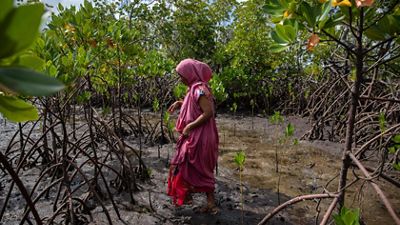
Reduce or store CO2 emissions
With the power of nature and the strength of policy and markets, we will reduce or store 3 billion metric tons of carbon yearly.
-

Benefit 100 million people
We will help 100 million people at severe risk of climate-related emergencies by protecting and restoring the health of natural habitats.


How We’re Tackling Climate Change
We find the people and paths to make it possible. Together, we find a way to overcome barriers.
-
Maximizing Nature’s Ability to Store Carbon
Nature plays a major role in regulating the climate by storing carbon dioxide. By conserving forests and wetlands, adding regenerative practices to agriculture and planting trees, we’re unleashing nature’s full potential to stabilize the climate. Learn about Natural Climate Solutions >
-

Promoting Smart Clean Energy Policies
We’re working with governments to advance policies that grow clean energy, boost energy efficiency, modernize electric grids and advance battery storage technology. How we’re promoting clean energy through policy >
-
Cultivating a Shift to Planet-Friendly Food Systems
Growing food in ways that better partner with nature can greatly reduce carbon emissions. For instance, healthy soils have enormous potential to store carbon. How food systems can actively heal the planet >
-

Bolstering Resilience for Habitats and Communities
We’re helping the most vulnerable communities adapt to climate change by restoring habitats, such as mangroves that reduce the impact of severe storms. How we’re strengthening coastal resilience >
-

Inspiring Productive Conversations
We can’t fix something we don't talk about. Our resources encourage more frequent and constructive conversations about climate change so we can all be part of solutions. Explore how to talk about climate change >
Take Action With Us
You can be part of the solution. Find out your carbon footprint and learn how you can lower your impact. Join our cause and become a member of The Nature Conservancy today. Your generous support will put the best conservation science and climate solutions to action.

Latest Climate Insights

COP28: Your Guide to the 2023 UN Climate Change Conference in UAE
COP28 takes place November 30-December 12, 2023 in United Arab Emirates. This guide will tell you what to expect at COP28, why TNC will be there, and what it all means for you.

Climate Change FAQs
You asked. Our scientists answered. Use this guide to have the best info about climate change and how we can solve it together.
How Teachers are Educating the Next Generation About Climate Change
To empower young people about climate change, it's critical that teachers and parents instill love for nature at an early age and model optimism when they cover climate in class.

Making Carbon Markets Work for Faster Climate Action
As part of ambitious decarbonization plans, offsetting is a near-term solution to closing the emissions gap