
We're working with you to make a positive impact around the world in more than 35 countries, all 50 United States and your backyard. Support our work
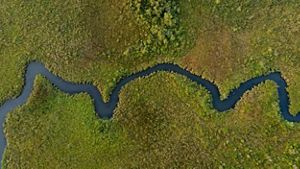
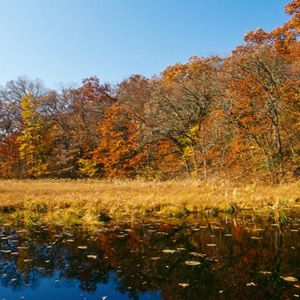
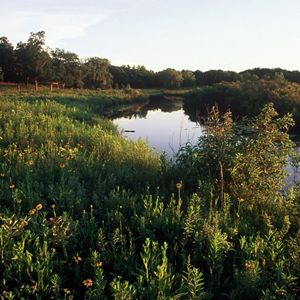
Lulu Lake glitters amidst the rich marshes of the upper Mukwonago River watershed. When viewed through the lens of species richness and water quality, this 95-acre kettle lake (a lake created by the glaciers) and its watershed comprise one of Wisconsin's highest quality natural areas.
Southeastern Wisconsin: 35 minutes southwest of Milwaukee in Walworth and Waukesha counties
Open year round, dawn to dusk.
Volunteer work parties are held from 9:00 a.m. to 12:00 noon on the second and fourth Sundays of each month (except November and December). Visit the Volunteer section of this Web site for more information.
For more information about on the preserve itself contact the Conservancy's local office:
N8957 Pickerel Jay Road
East Troy, WI 53120
Tel: (262) 642-7276
Because of the high-quality stream surrounded by wetlands and oak openings, which provides habitat for rare fish, mussels and plants.
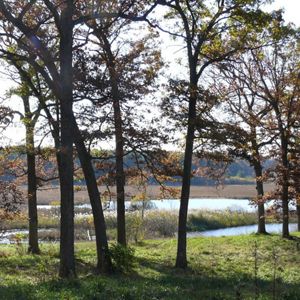
An oak opening is dominated by clustered, open-grown bur oaks and white oaks, and shagbark hickory. The ground is covered with prairie and forest plants.
Before agricultural settlement there were more than 5.5 million acres of oak openings in Wisconsin. Today only about 500 acres survive. Between 50-80 of these acres are found around Lulu Lake. The Conservancy is using fire and manual removal of non-native plants to restore and maintain them.
Scientific researchers interested in several topics — oak openings; the hydrology of sedge meadows and fens; and rare species of fish, amphibians, reptiles and butterflies — have used the preserve as an outdoor laboratory.
The Conservancy made its first acquisition at Lulu Lake in 1986 and, as of January 7, 2013, owns 504 acres. Another 1,450 acres are being protected by private individuals and the Wisconsin Department of Natural Resources State Natural Areas Program.
We have expanded our work in this area to include the entire Mukwonago River Watershed. We have an office and staff in the East Troy area and are working cooperatively with many different public and private partners to accomplish the following:
Meet Susan and Michael, two freshwater mussels looking for love.
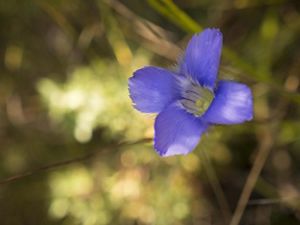
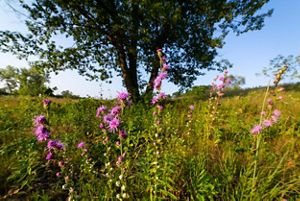
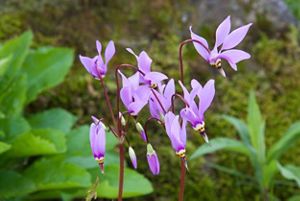
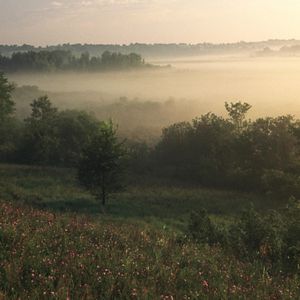
Surrounding the lake and along the river are various types of wetlands including fens, bogs and sedge meadows. On the higher ground, you will find prairie remnants and oak openings. In early summer, shooting stars and other wildflowers are abundant.
The northern kittentail is this preserve's most endangered plant. In the spring, this plant produces foot-high flowering stems resembling — you guessed it — the tail of a young feline.
Fish: Of the 150 fish species native to Wisconsin, 59 can be found in Lulu Lake and the Mukwonago River! The river is home to several rare fish species, including the longear sunfish. The clear, deep lake water provides habitat for glacial relict fish such as the blackchin shiner and the Iowa darter
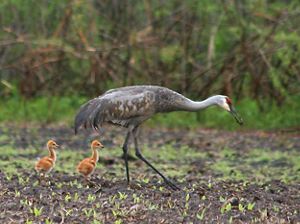
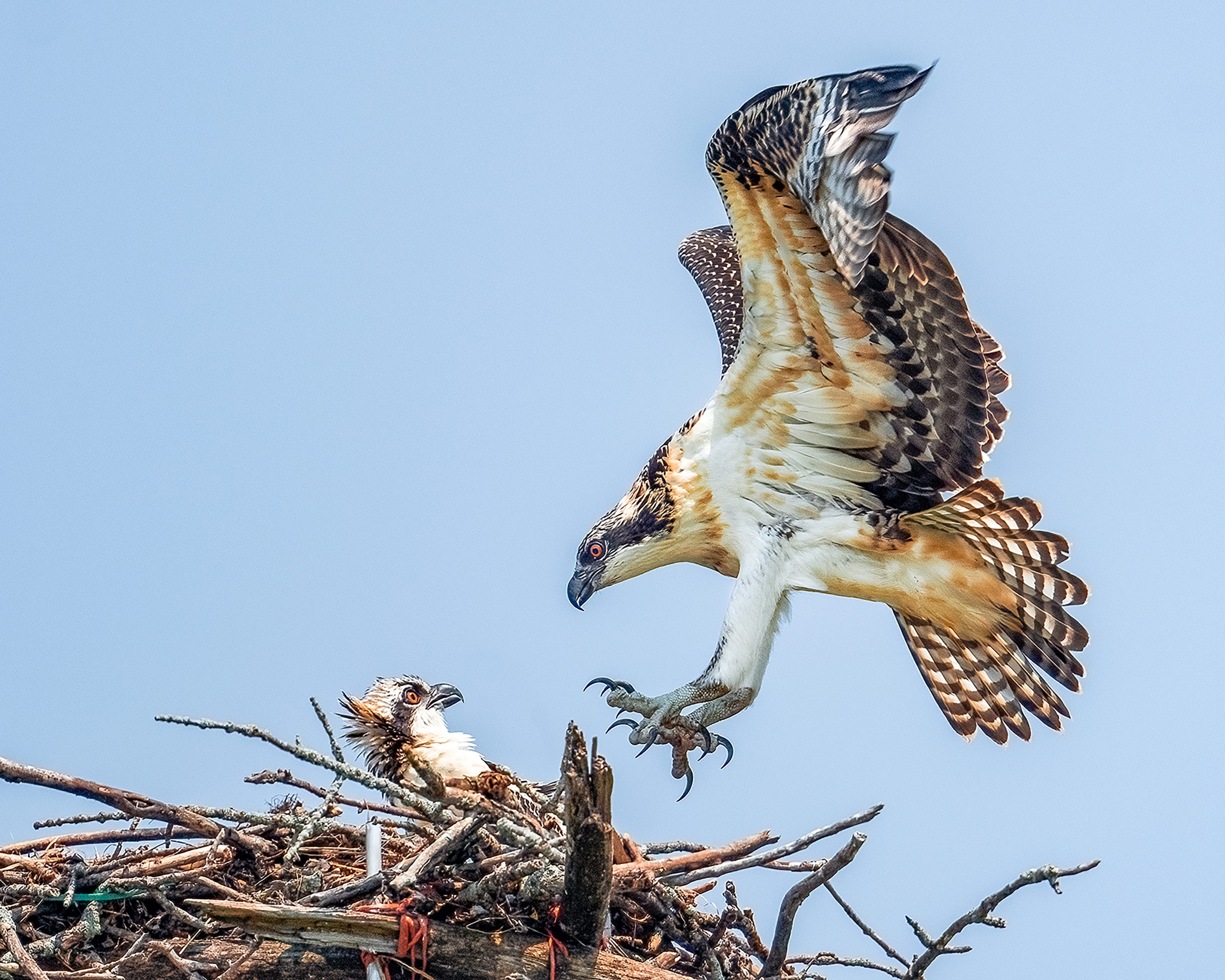
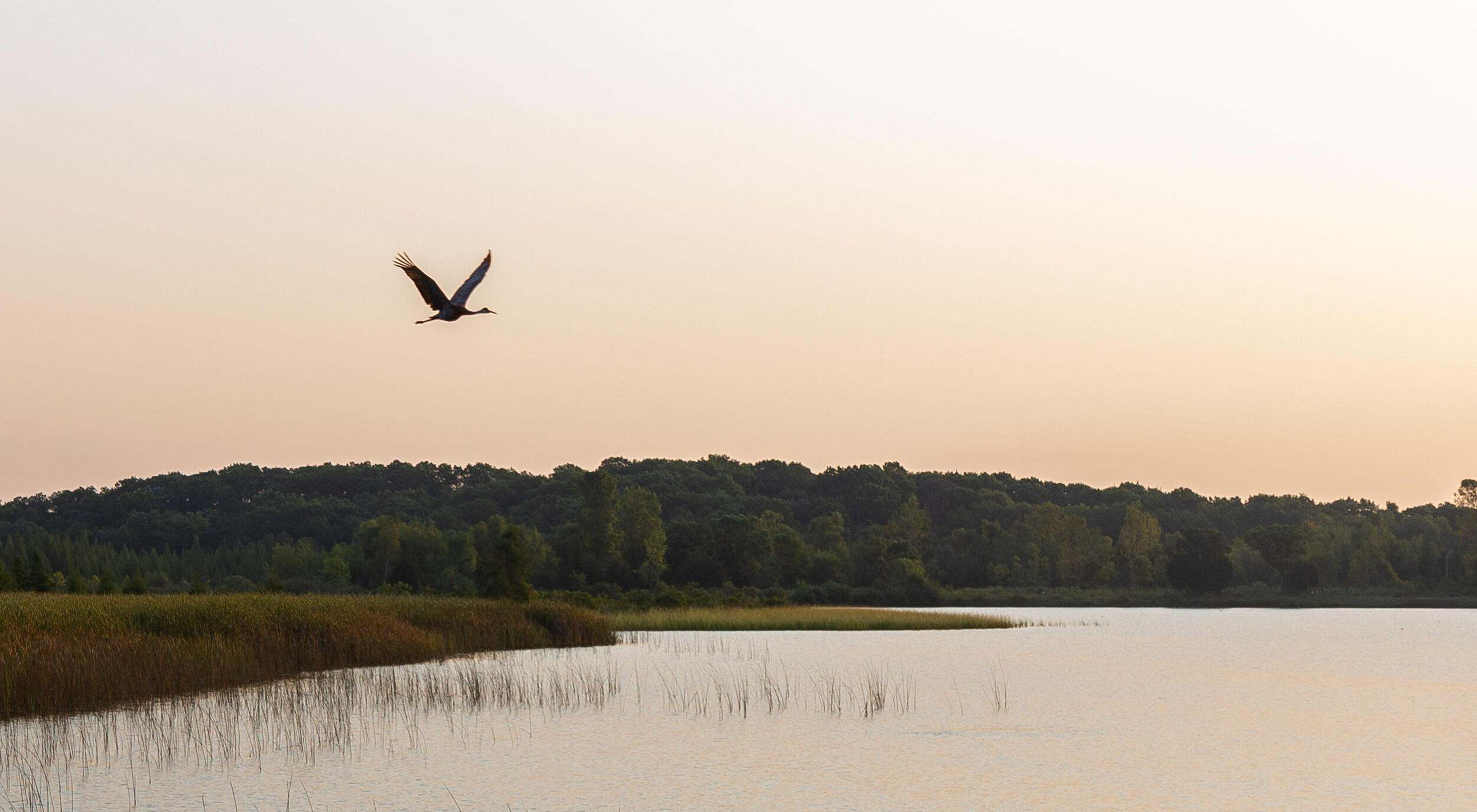
Birds: Other significant species are Cooper's hawks, migrating ospreys and nesting pairs of sandhill cranes.
Lulu Lake has yet to be thoroughly inventoried, so other rare species may be present. Several plant and animal inventories are currently underway.
Please see "Preserve Visitation Guidelines"
In accordance with the Department of Justice’s amended regulation implementing Title III of the 1990 Americans with Disabilities Act (ADA) regarding "Other Power‐Driven Mobility Devices,” Lulu Lake Preserve has completed an assessment of our public areas and trails. While some types of OPDMDs can be accommodated, there are necessary restrictions on their use. Please download and review the policy prior to your visit.
(Map to Lulu Lake)
From Milwaukee (a 35-minute drive):
From Madison (a 75-minute drive):
Have you been to this preserve? Are you thinking of visiting? See what others are saying about their experiences and add your comments below.
Time for you to join the discussion. Tell us about your experience at this preserve. What plants and animals did you see? When did you go? You can help others plan their visit when you share your thoughts. And thank you for visiting one of our nature preserves!
Whether scary or exciting, nature has a way of sneaking up on you. See stories
Hear some of nature's success stories and see how nature matters to us all. Watch videos