
We're working with you to make a positive impact around the world in more than 35 countries, all 50 United States and your backyard. Support our work
Yes
Spot some of Virginia's amazing plants and animals at this preserve. View All
Download a trail map and get the most of your visit. View All
Located on two terraces overlooking the beautiful Rappahannock River, the Alexander Berger Memorial Sanctuary consists of a mature, second-growth forest that hosts a diverse and distinct array of plant life. The uplands portion has remained relatively undisturbed since 1864, when it was used as an encampment and rear-line artillery position for the Confederate army. Vestiges of Civil War fortifications remain on a knoll that provided a view for those passing on the way to Fredericksburg.
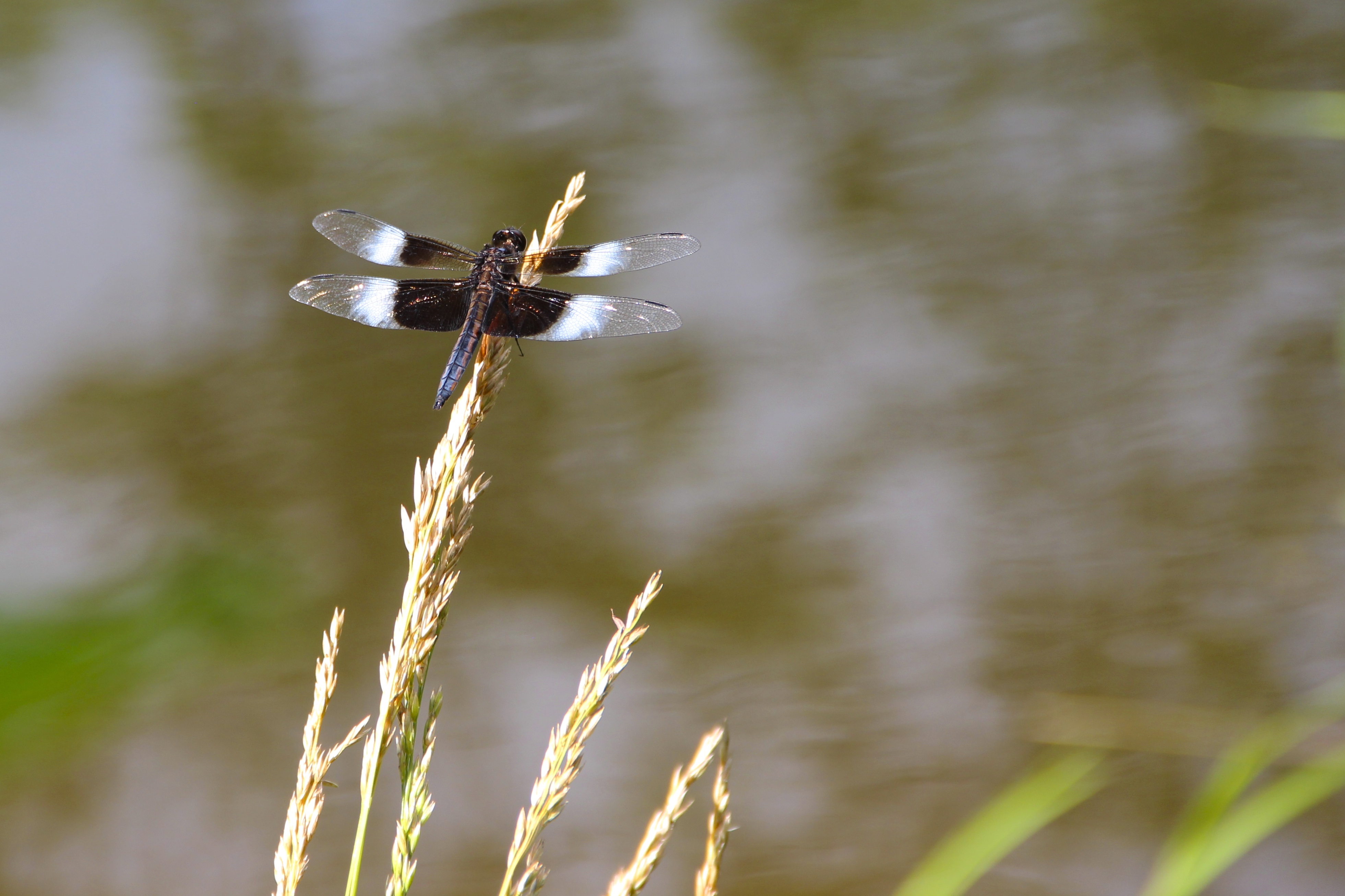
Go on a treasure hunt with your family! What will you find?
Spotsylvania and Caroline Counties, about 10 miles south of Fredericksburg
Open year-round, dawn to dusk.
865 acres
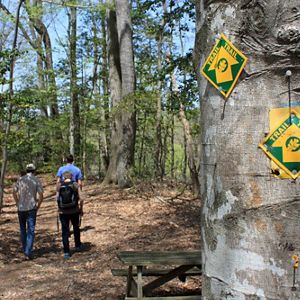
The trails at this preserve are easy to hike.
The two wooded parcels were given to The Nature Conservancy in 1963 by Mrs. Helen Bryan and family in memory of her father, Alexander Berger. The sanctuary was originally a part of the historic Belvedere Peony Farm where Mr. Berger made his home until his death in 1940. The manor house at Belvedere was originally built by Colonel William Dangerfield before the Revolutionary War.
The Conservancy recently completed a new trail on the Rappahannock River portion of the preserve. The trail is dedicated to the memory of R. Eugene Mohlie by his family so "that others may share in the joy and peace found in natural places."
Berger Sanctuary is part of the Conservancy's Chesapeake Rivers Program, which protects Chesapeake Bay tributaries. The Rappahannock is one of four main Bay tributaries in the program area.
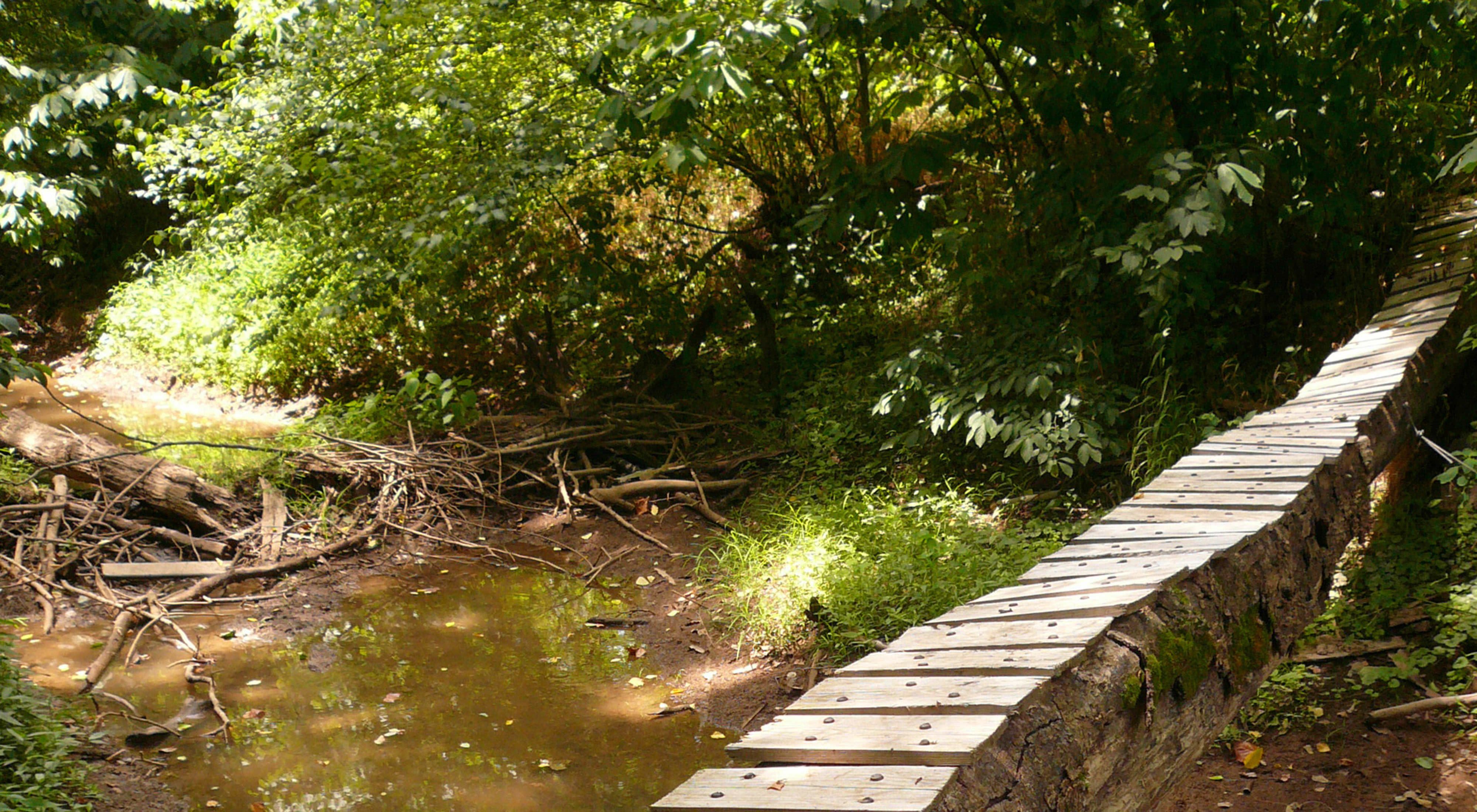
A swamp provides habitat for beavers, muskrats and raccoons. A large, active beaver pond is present on the Rappahannock River portion. Mallards and black ducks pause on the river while great blue herons, yellow-bellied sapsuckers, pileated woodpeckers, flycatchers, indigo buntings and cuckoos frequent or reside on the preserve.
The upland portion of the preserve contains a striking diversity of vegetation. The largest trees average about two feet in diameter and 80 feet in height.
The primary species on the flood plain are box elder, sycamore, pin oak, black walnut, black willow, river birch, ash, hackberry, cottonwood, American elm, persimmon, sweet gum, holly, red cedar and alder. The banks of Snow Creek are steep, up to 40 feet. Forest cover is hardwood, with predominant trees being mature tulip poplar and sycamore.
A rhododendron forest (or great laurel), unusual so far south on the coastal plain, grows along the bank of Snow Creek. It is believed to have survived from glacial ages.
Download a trail map of Alexander Berger Memorial Sanctuary or a topographic map of Berger (pdf).
For additional information, contact the Conservancy's Virginia State Office:
490 Westfield Road
Charlottesville, VA 22901
(434) 295-6106
From Interstate 95:
Have you been to this preserve? Are you thinking of visiting? See what others are saying about their experiences and add your comments below.
Time for you to join the discussion. Tell us about your experience at this preserve. What plants and animals did you see? When did you go? You can help others plan their visit when you share your thoughts. And thank you for visiting one of our nature preserves!
Whether scary or exciting, nature has a way of sneaking up on you. See stories
Hear some of nature's success stories and see how nature matters to us all. Watch videos
Brian van Eerden, Southern Rivers Program Director, with his daughter, Abigail, explore the pine savannahs at The Nature Conservancy's Piney Grove Preserve and adjoining International Paper property located in the Mid Atlantic Coastal Plain ecoregion of southeastern Virginia. © Mark Godfrey/TNC