


Description
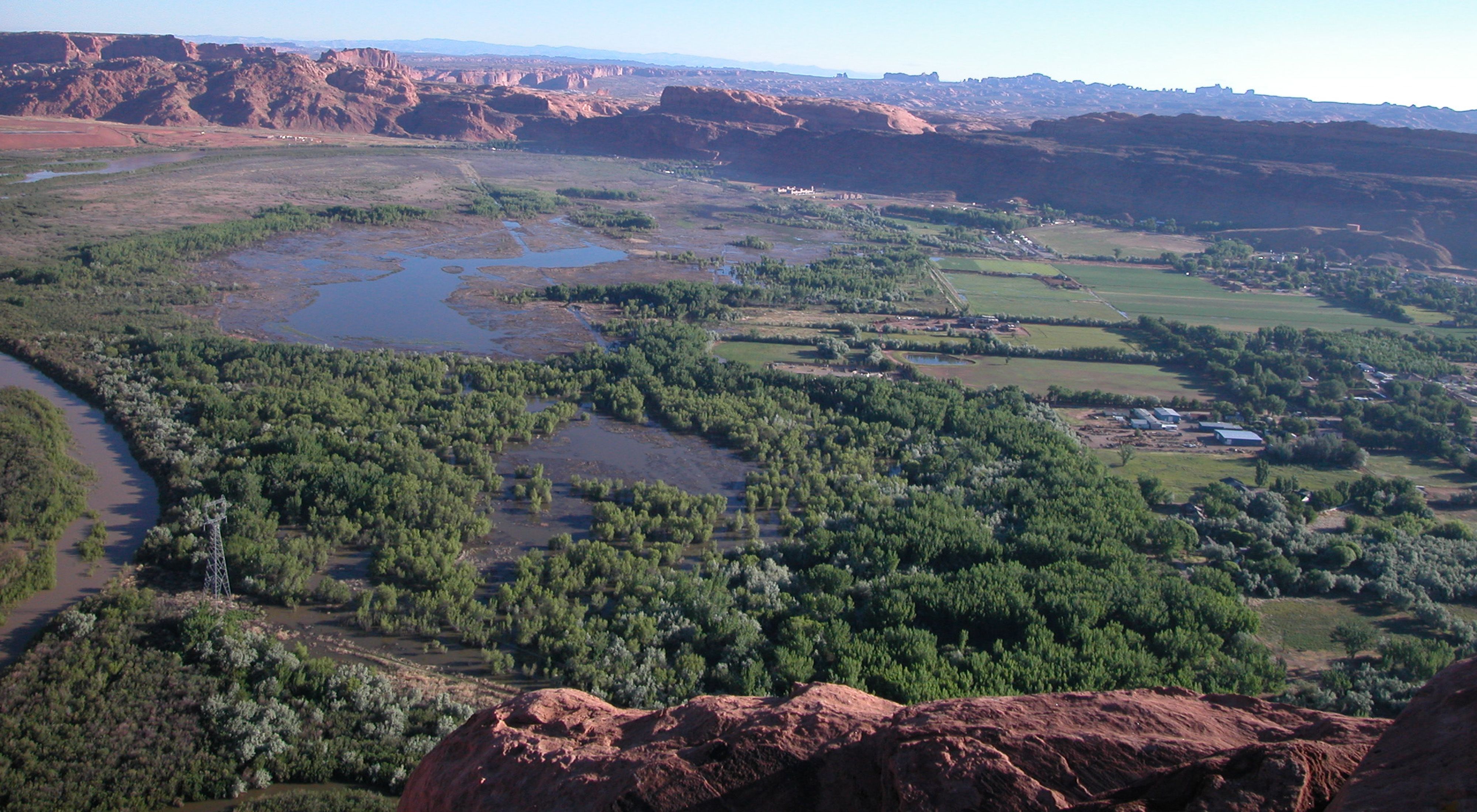
The Scott and Norma Matheson Wetlands Preserve in Moab, Utah, is an oasis in the desert—a stark contrast to the surrounding redrock cliffs and arid desert. This lush oasis attracts more than 200 species of birds, amphibians—including the northern leopard frog—and aquatic mammals such as the beaver, muskrat and elusive river otter.
Download the audio tour before you visit, and make your phone your personal tour guide. You can also take this tour remotely!
Location
This wetlands preserve is located in Moab, Utah along the banks of the Colorado River. Historically the area was, and still often is, referred to as the Moab Sloughs.
Why TNC Selected This Site
The rarity of the wetland ecosystem in an arid environment, coupled with the area’s diversity that attracts a wide variety of wildlife species and the utilization of the wetlands by migratory birds, were the main reasons The Nature Conservancy became involved with the Moab Sloughs.
In 2019 TNC officially renamed this preserve as the Scott and Norma Matheson Wetlands Preserve. At its original dedication in 1991, the preserve was named in memory of former Utah Governor Scott Matheson, an esteemed public servant who was a special friend to TNC and a champion for conservation in the West. His wife, Norma, attended the preserve’s dedication, and through the years, she built on Scott’s legacy, becoming a powerful leader in protecting Utah’s lands and waters and improving its communities. In July 2019, Norma Matheson passed away. By renaming this special preserve, TNC pays tribute to the lasting impact of both Scott and Norma Matheson—two extraordinary Utahns who dedicated their lives to public service and to the protection of our natural world.
What TNC Is Doing
The Nature Conservancy and the Utah Division of Wildlife Resources purchased the wetlands starting in 1990, with the agreement that The Nature Conservancy would manage the preserve. Though many people visit the preserve to bird watch, others come to enjoy the sounds and sights of nature. School groups also visit the preserve to study wetlands and the creatures that inhabit these wetlands. The Utah Division of Wildlife Resources has conducted a mist-netting program to analyze bird usage in the preserve. Other studies have looked at population trends of northern leopard frogs, waterfowl and breeding birds.
TNC is also battling the invasive species, tamarisk, at Matheson Wetlands Preserve.