

Quote
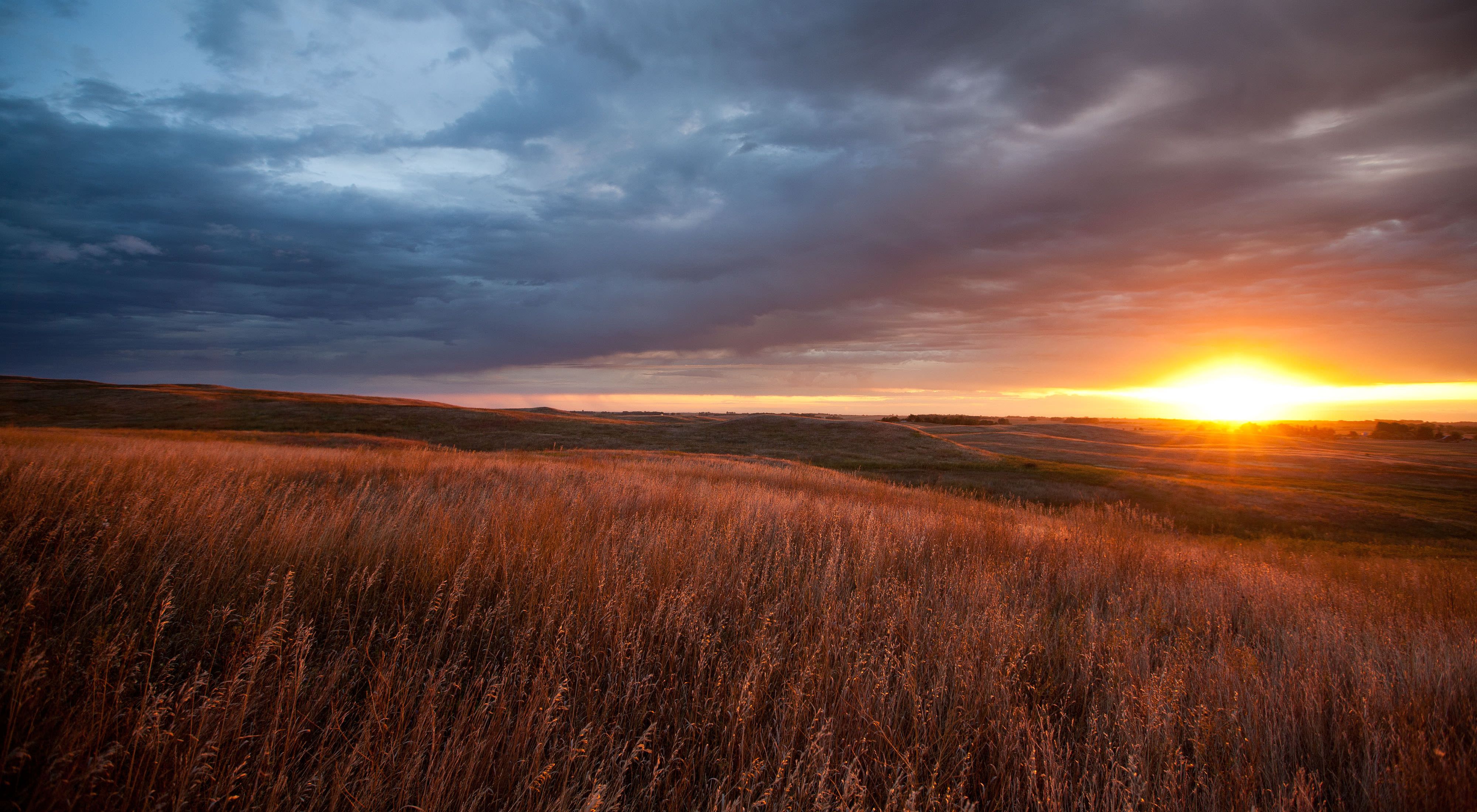
Prairie Coteau harbors the largest area of northern tallgrass prairie in the United States.
Prairie Coteau Landscape
The Prairie Coteau region of eastern South Dakota and southwest Minnesota is the largest remaining tract of native northern tallgrass prairie in the United States. With approximately 1 million acres of native grasslands and woodlands, this landscape is critical to protect for the survival of native species. See also Prairie Coteau map and fact sheet.
The Prairie Coteau consists primarily of northern tallgrass prairie; however, the structure is predominantly short due to grazing. A 2002 USDA report indicated that out of the 5.1 million acres of the Prairie Coteau, 70% is active or idled cropland and 17% is rangeland or pastureland.


History of the Landscape
The Great Plains were historically shaped by climate, grazing and fire. Encouraged by both lightning and Native Americans, fire has maintained the region’s tallgrass prairie for millennia.
Many wildlife areas or preserves were historically over-utilized or abused pastures. Hunters, naturalists, and managers assumed grazing was harmful to wildlife or biodiversity management.
Today, fire and grazing regimes are essentially non-existent on private lands, except on managed grassland preserves.
The Prairie Coteau Habitat Partnership has worked to promote the benefits of a fire and grazing regime to landowners on the Prairie Coteau. Fire effects monitoring on private lands has proven positive over the years through the Partnership’s prescribed fire program.
Patch burn grazing is an example of a management tool that utilizes fire under appropriate stocking rates to rotate cattle within a pasture. This tool avoids the need for interior fences and mimics “natural” fire-grazing disturbance regimes.
Positive Effects of Fire
- System rejuvenation and nutrient cycling
- Native vegetation
- Forage quality
- Wildlife nesting habitat and cover
- Nectar sources
- Native seed production
- Landscape mosaic
- Native grass plantings
- Weed control
- Woody plant control
Fire Concerns
- Wildfire
- Homes/Urban areas
- Habitat reduction
- Tree removal
- Nesting birds
- Air quality/smoke
- Forage loss
Major Threats
- Altered fire regime
- Inappropriate grazing regime
- Conversion to agriculture\
- Invasive species encroachment/chemicals
- Aggregate mining and wind power development
Landscape Level Planning
The NFWF Business Plan for the Prairie Coteau was a multi-partner effort with both South Dakota and Minnesota participants to promote the conservation and restoration of northern tallgrass prairie. The 10-year plan aimed to protect and restore native prairie, promote prairie-based agriculture, develop prairie grass bioenergy markets, return ecological fire to native grasslands, and promote grazing land management.
Quote
The Partnership’s primary goal is to return a more natural fire and grazing regime to the region.
A History of the Prairie Coteau Habitat Partnership
Mission Statement
The goal of the Prairie Coteau Habitat Partnership (PCHP or the Partnership) is to promote a greater appreciation of native tallgrass prairie by educating agencies and landowners on the fire and grazing processes that have shaped the prairie ecosystem.
It is our mission to work with agencies, landowners, and the public to return a more natural fire and grazing regime to the region in a safe, efficient, ecological, and socially sensitive manner via the promotion of economic incentives, conservation programs, VFD partnerships, and education.
Who We Are
The Prairie Coteau Habitat Partnership consists of state, federal, and private conservation organizations and private landowners who are interested in working to conserve and enhance the quality of native pastures and prairies and other grassland habitats in northeast South Dakota and southwest Minnesota. This work is accomplished through the use of prescribed fire, managed grazing, and grassland restoration.
Since its inception, the Partnership has worked with more than 85 producers across 14 counties in northeast South Dakota and has burned more than 8,000 acres of privately-owned grasslands, including native prairie / pasture, CRP, and other habitat program lands.
How We Started
The Prairie Coteau Habitat Partnership began in 2001 with an informal meeting of agencies interested in promoting coordination and cooperation in prescribed fire management, wildland fire response, and technical training in fire management in northeast South Dakota. Since that time, the team has gone through a series of workshops and meetings under the direction of the Fire Learning Network. As a result of this effort, the Partnership has begun to explore innovative ways to promote wildlife habitat, sound grazing management, and economic return on private lands through the use of controlled burning as a management tool.
Having officially formed in 2004, the Partnership has been actively burning on select sites since 2005. These projects have served as demonstration sites with a focus on fire use for pasture rejuvenation, habitat improvement, litter removal, cattle production, grass planting establishment, and research. The Partnership is independently funded through grants and donations.
Where We Are
The Prairie Coteau Habitat Partnership program is currently run out of The Nature Conservancy’s Prairie Coteau Office at 410 3rd Avenue S., Suite 1, Clear Lake, SD. Phone is: (605) 874-8517.
Our Qualifications
Individuals performing prescribed fire management under the Prairie Coteau Habitat Partnership are trained professionals.
- All potential burns are planned by experienced individuals who are knowledgeable in grassland fuels and familiar with the landscape.
- Burn plans are professionally reviewed to ensure safety and efficiency.
- Actual burns are conducted by crew(s) consisting of personnel who meet federal and agency training certifications for leadership and participation in a prescribed burn event.
For more information on our training standards or for information on individuals participating in the fire crew, please contact us at 605-874-8517.
The Nature Conservancy’s burn program standards can be viewed at http://www.tncfiremanual.org/req_guide.htm or http://www.tncfiremanual.org/index.htm.


Quote
Our success is based on agency and private landowner commitment to restore native prairie habitat.
Partners
The Prairie Coteau Habitat Partnership is truly about the partner agencies and the individual landowners who have participated in the program. The success of the partnership is dependent on the time and effort of the individuals representing the partner agencies. Without their dedication to the program, the Prairie Coteau Habitat Partnership would not be where it is today.
See links to partner websites below for more information on each agency and the conservation programs they provide.
- Bureau of Indian Affairs
- Day County Conservation District
- Deuel County Extension Service
- Ducks Unlimited
- Ecosun Prairie Farms
- Minnesota Department of Natural Resources
- National Fish and Wildlife Foundation
- National Park Service
- National Resources Conservation Service
- Northern Prairies Land Trust
- Pheasants Forever
- Private Landowners
- Sisseton-Wahpeton Oyate
- South Dakota Department of Agriculture – Wildfire Suppression
- South Dakota Association of Conservation Districts
- South Dakota Department of Game, Fish and Parks
- South Dakota Fire Marshall’s Office
- South Dakota Grassland Coalition
- South Dakota State University
- The Nature Conservancy
- Upper Big Sioux Watershed Project
- U.S. Fish and Wildlife Service
Contact Information
Feel free to contact our office in Clear Lake, South Dakota with any questions!
Joe Blastick
Prairie Coteau Conservation Manager/SD Fire Manager
The Nature Conservancy Field Office
P.O. Box 816
410 3rd Avenue S.
Suite 1
Clear Lake, SD 57226
605-874-8517
jblastick@tnc.org
Pete Bauman
Range Extension Field Specialist
South Dakota State University
605-882-5140
peter.bauman@sdstate.edu