

Ohio

Baker Swamp Preserve

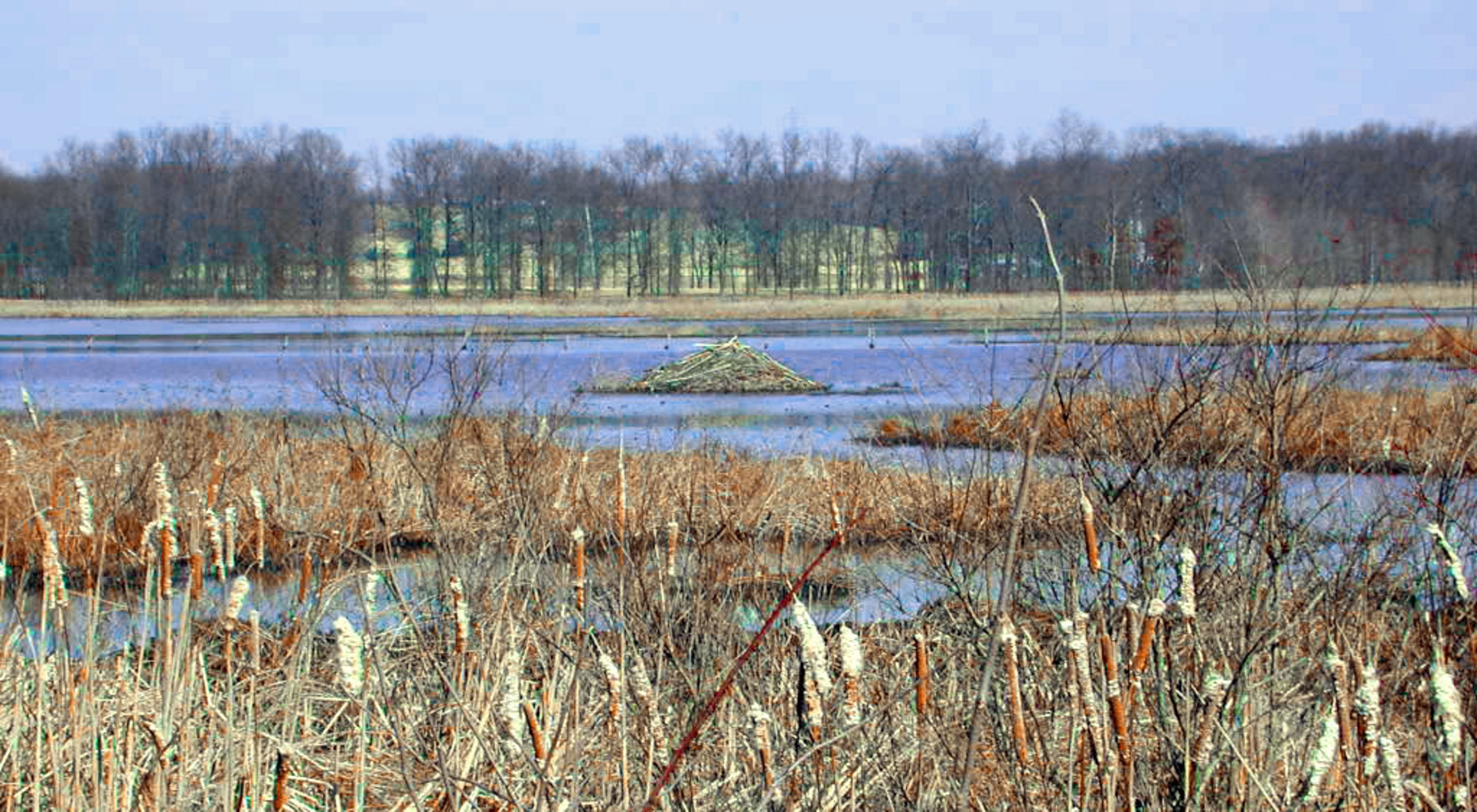
Baker Swamp consists of approximately 180 acres of open-water wetland and cattail marsh.

Baker Swamp is a large wetland that developed in the course of the preglacial Marietta River, the main tributary of the preglacial Teays River in southeastern Ohio. The site was formerly a shallow lake which became impounded by a downstream blockage of the Teays River during a glacial advance. The sediments deposited on the lake bed form the area’s poorly-drained soils of today. These impermeable soils and the activity of beaver in the area have contributed to the formation of Baker Swamp.

Baker Swamp lies in the Western Allegheny Plateau Ecoregion and today consists of approximately 180 acres of shallow open-water wetland and cattail marsh. About 50 acres of buttonbush-alder shrub swamp occupy the southern portion of this preserve. Swamp forests occur to the east and north of the open-water zone. Timber cutting has reduced the dominance of pin oak, and the fast-growing red maple is the dominant species of this pin oak-red maple swamp forest today.

Location:
Jackson County, in the Western Allegheny Plateau Ecoregion.

Plants:

  • Virginia meadow-beauty
  • Hyssop skullcap
  • Long-beaked arrowhead
  • Short’s Hedge-hyssop
  • Lance-leaved Violet.

Trees:

  • Slippery elm
  • White ash
  • River birch
  • Swamp white oak

Animals:

  • Beaver
  • Lake chubsucker

Birds:

  • Prothonotary warbler
  • Sora rail
  • Virginia rail

Why the Conservancy Selected This Site
Baker Swamp is probably the largest and best remaining example of a Teays-stage wetland in Ohio.  It includes Ohio’s best example of a submergent marsh and one of the largest buttonbush shrub swamps. The primary determinant of water level at the site is beaver activity.  Large standing dead trees in the swamp indicate that the current open water zone was covered by swamp forest 30-40 years ago.  Beaver moved in after that forest was cut, subsequently raising the water level.  The preserve is a haven for many wetland bird species, amphibians, and other aquatic fauna.

Because of its small size, the wetlands are vulnerable to disturbance from surrounding land uses.  Loss of beavers through trapping and other wetland altering activities could seriously degrade the wetland habitat on this preserve. Illegal refuse dumping also poses a threat.

What the Conservancy Has Done/Is Doing
The primary goal at Baker Swamp is to protect the representative wetland communities within this remnant Teays River ecosystem.  Currently the protected acreage is small, making additional land acquisition of wetlands and associated upland buffer critical to the long term preservation of this site.  Stewardship of the site involves monitoring the preserve for water level changes, weed invasions, and human disturbance.

Things To Do
Plan Your Visit
Directions
Discussion

Have you been to this preserve? Are you thinking of visiting? See what others are saying about their experiences and add your comments below.

Add Your Comments

Time for you to join the discussion. Tell us about your experience at this preserve. What plants and animals did you see? When did you go? You can help others plan their visit when you share your thoughts. And thank you for visiting one of our nature preserves!

Read our guidelines on posting comments

Read More

Close Encounters with Nature

Nature Matters

Explore Related Content

Places We Protect
Explore Ohio