

- Phone: 908-879-7262
- Email: newjersey@tnc.org
-
Follow


Make a Difference in New Jersey

We Can’t Save Nature Without You
Sign up to receive monthly conservation news and updates from New Jersey. Get a preview of New Jersey’s Nature News email.
Video
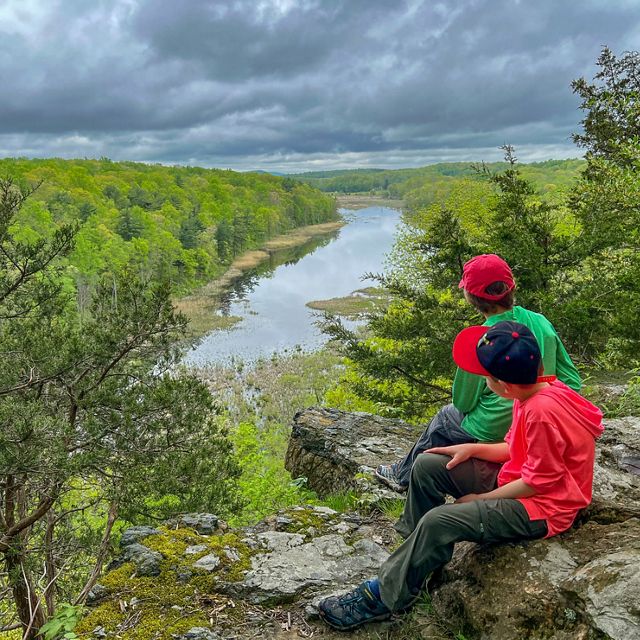
Nature 101: Be an Insider, Outside!
TNC’s Nature 101 video series features quick segments that help break down nature access barriers and help you maximize your comfort in and enjoyment of the outdoors.
Feature
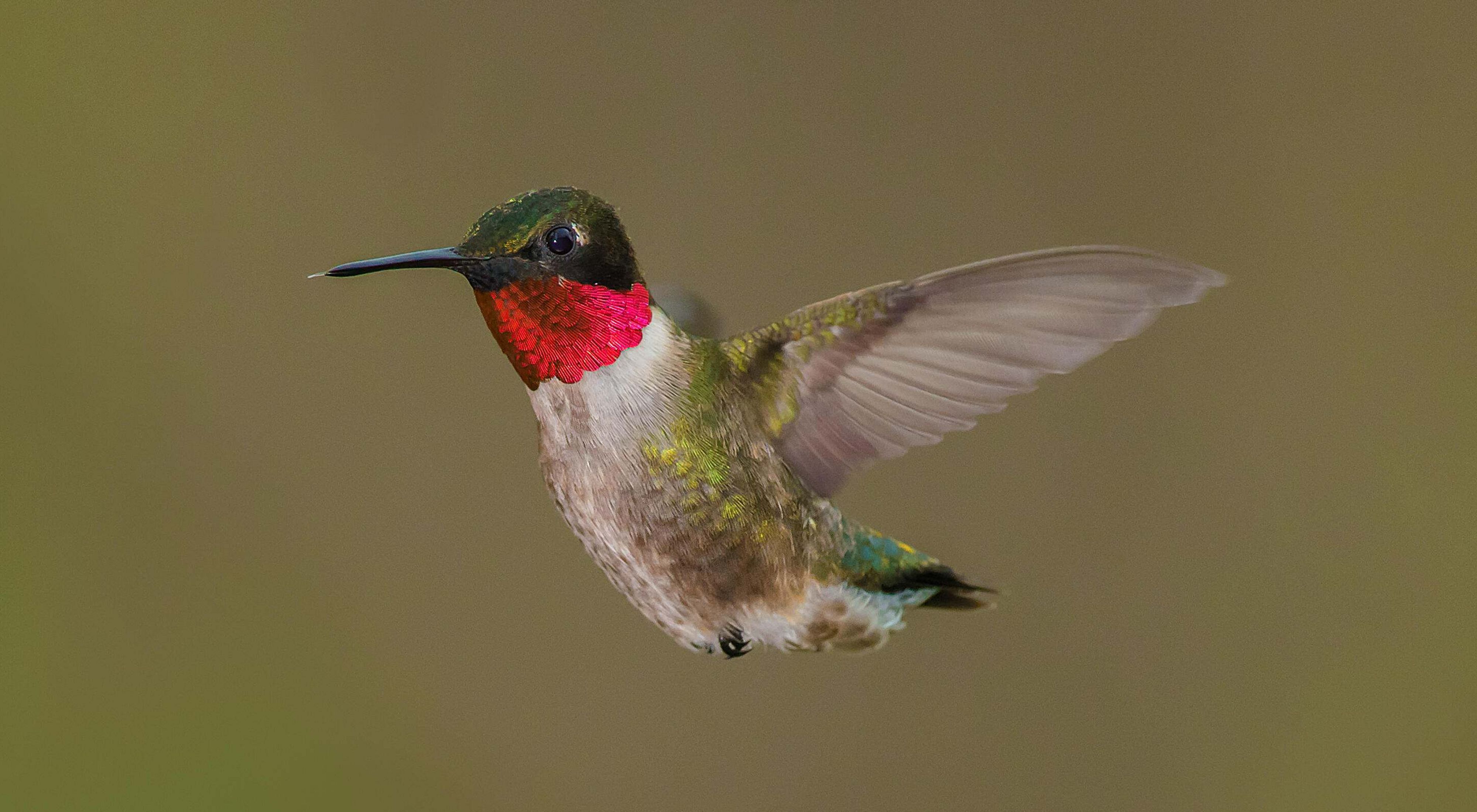
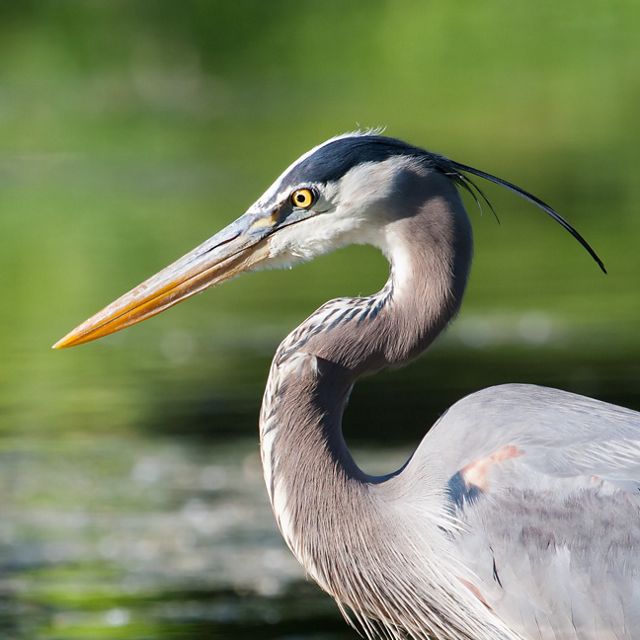
Birds of New Jersey
The changing seasons bring new birds to New Jersey. Learn more about what birds you'll see and hear during the different seasons in our small state.
Our Preserves in New Jersey
In addition to providing much-needed habitat for a wide variety of wildlife, our nature preserves in New Jersey are top-rated visitor destinations. Whether you're looking to explore pristine forests, go birding alongside freshwater marshes or conquer a mountain, our preserves have you covered.
Latest News
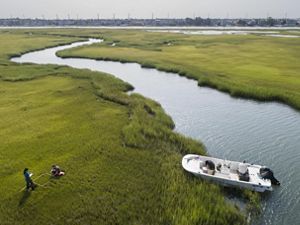
A Lifeline for Drowning Marshes
The Nature Conservancy's coastal conservation projects help salt marshes stand up to a rising sea.
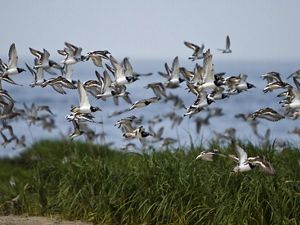
Tackling Climate Change in New Jersey
The science is clear: climate change is the most serious threat facing our planet today. In New Jersey, we are part of the solution.
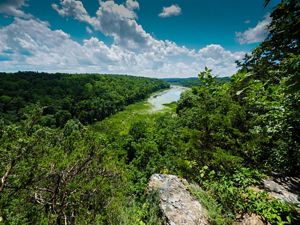
Places We Protect in New Jersey
The Nature Conservancy’s mission is to protect the lands and waters on which all life depends, and for more than 60 years, we’ve been working in New Jersey to do just that.

The Adopt a Catch Basin Project
This volunteer program involves clearing trash and debris from around the storm drains on your street to ensure the flow of water and reduce pollution in the rivers.

Feature
Places We Protect
The Nature Conservancy owns nearly 1,500 preserves covering more than 2.5 million acres across all 50 states.