

We're working with you to make a positive impact around the world in more than 35 countries, all 50 United States and your backyard. Support our work
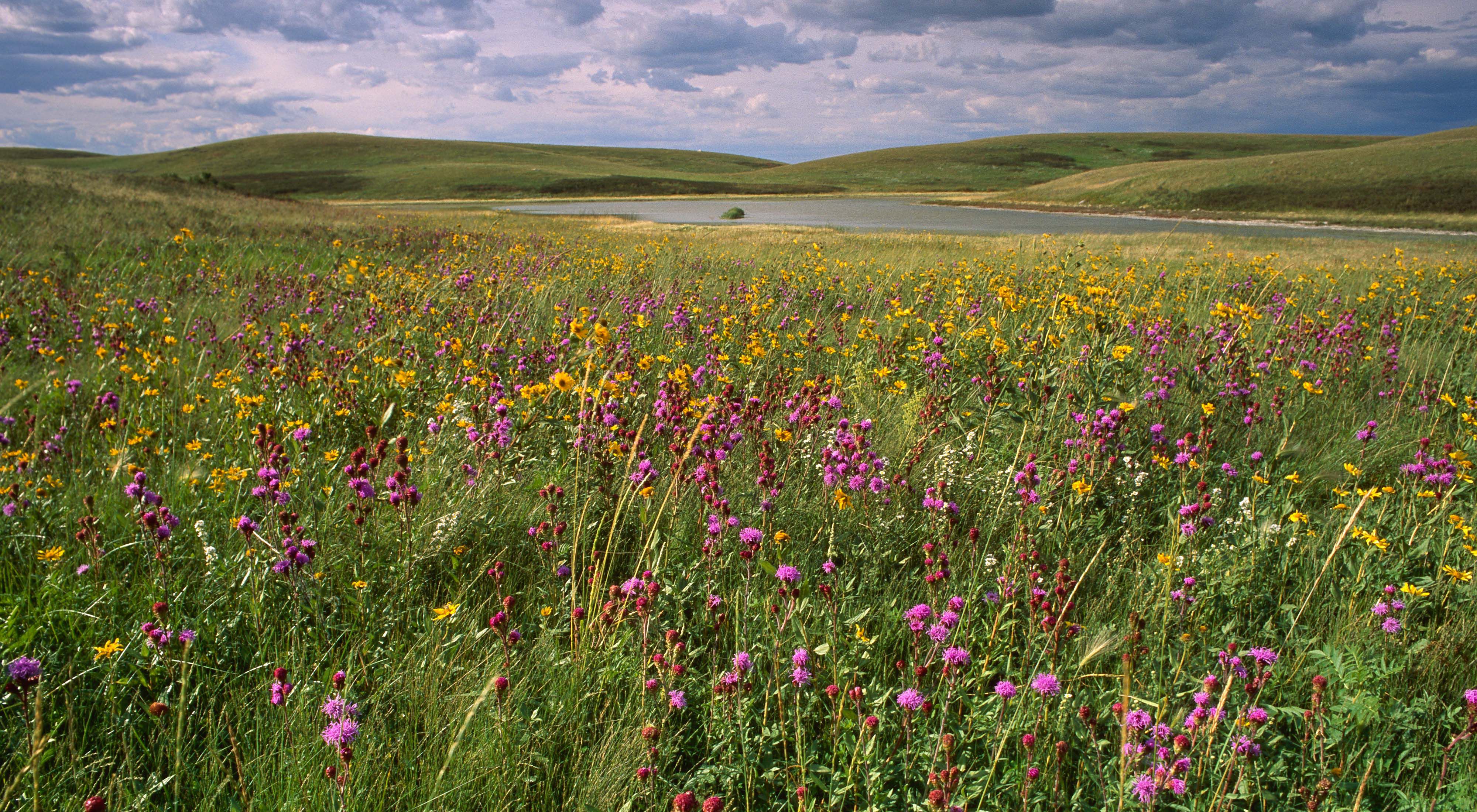
In the far northeastern corner of Montana, there is a rolling landscape of native grasses and shallow “pothole” lakes that was formed over 10,000 years ago by the great continental glaciers. Sometimes referred to as the Missouri Coteau, a name for the low glacial moraine that formed at the southern edge of the glacial front, this land represents the largest unplowed stretch of pothole prairie ecosystem left in the state of Montana. While the native prairie extends into North Dakota and Canada, agricultural plowing destroys many acres each year. The Nature Conservancy currently owns 1,130 acres of this rapidly disappearing ecosystem, protecting the prairie and the incredible array of waterfowl and other birds that flock to this undulating mosaic of lakes, ponds, and native grasses.
When you visit the prairie, avoid walking too close to the pothole shorelines--this will startle the federally listed piping plovers which nest here. Watch for the endangered whooping cranes which have been known to stop for a rest during migration, as well as for Baird’s sparrow and the smooth green snake. Take time to enjoy the variety of vegetation which includes western wheatgrass, green needlegrass and blue grama, and be sure to look for the snowberry and rose that surround many of the potholes. While sedges and saltgrass dominate the moist potholes, cattail and rushes grow in the lakes that retain water throughout the year.
Visiting Comertown:
Directions: The preserve is approximately 15 miles northeast of Plentywood. From one (1) mile east of Plentywood, take Highway 5 East toward Westby. Proceed approximately 12.5 miles to the county road heading due north. Turn north and drive for six (6) miles to the old townsite of Comertown--the name is marked on an old grain elevator along the railroad tracks. You will now be at the south edge of the preserve. (At this time, there are no markings for the preserve.)
Have you been to this preserve? Are you thinking of visiting? See what others are saying about their experiences and add your comments below.
Time for you to join the discussion. Tell us about your experience at this preserve. What plants and animals did you see? When did you go? You can help others plan their visit when you share your thoughts. And thank you for visiting one of our nature preserves!
Whether scary or exciting, nature has a way of sneaking up on you. See stories
Hear some of nature's success stories and see how nature matters to us all. Watch videos