


Description
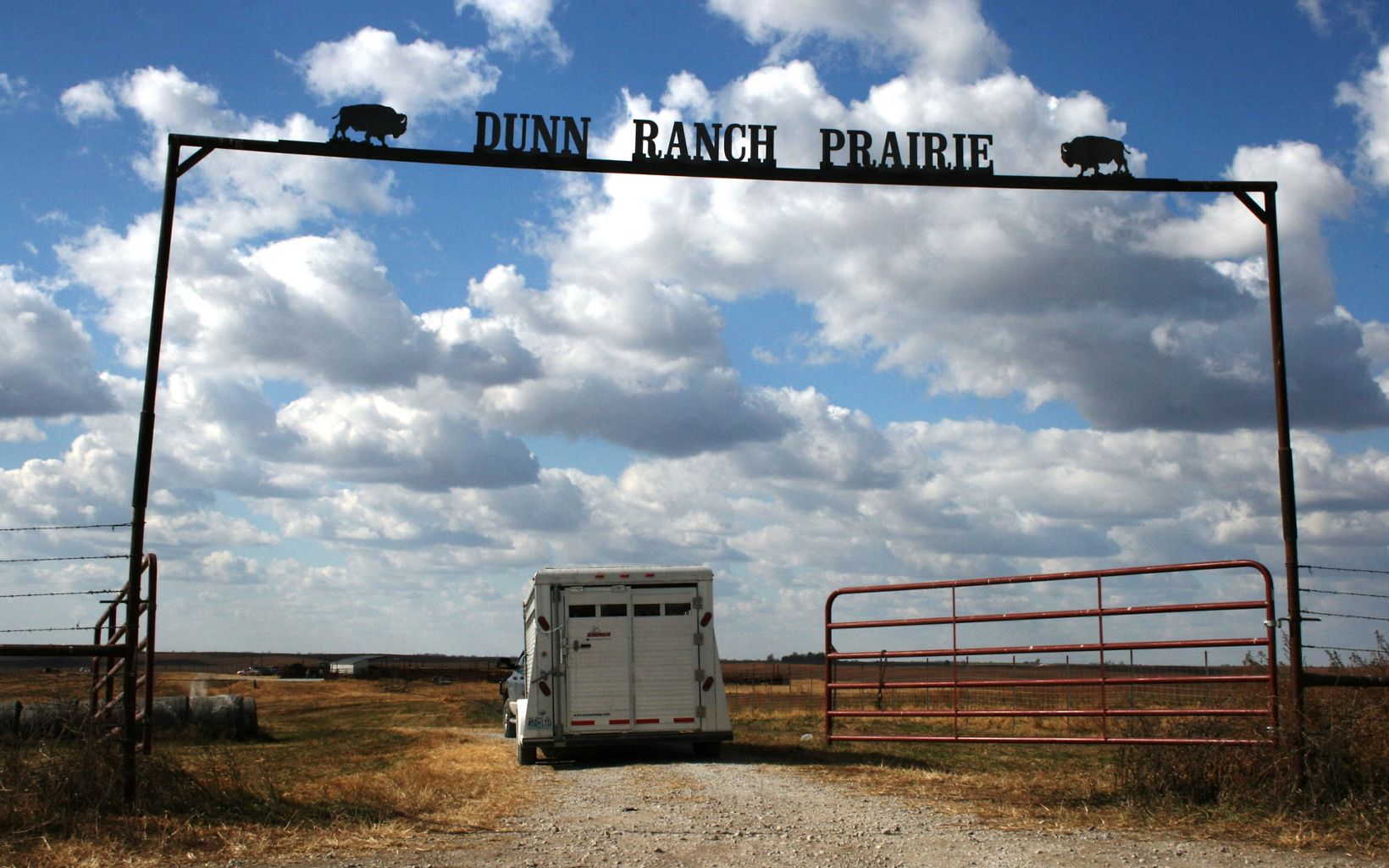
Temperate grasslands are the least protected major habitat type on Earth. Efforts to restore a tallgrass prairie landscape and provide critical corridors for wildlife are taking place at Dunn Ranch Prairie, which is part of the larger Grand River Grasslands region—incorporating more than 70,000 acres and spanning parts of Missouri and Iowa.
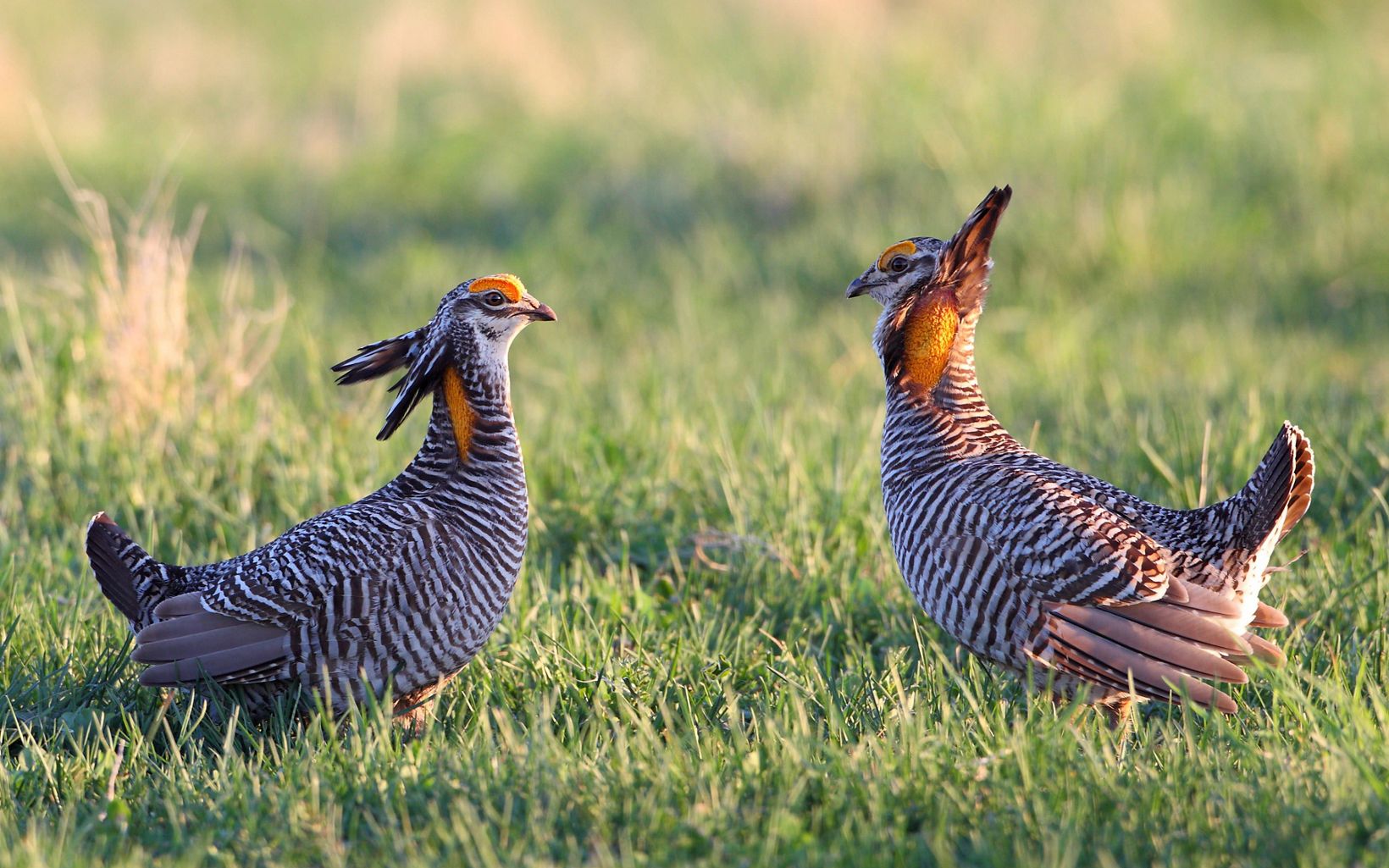
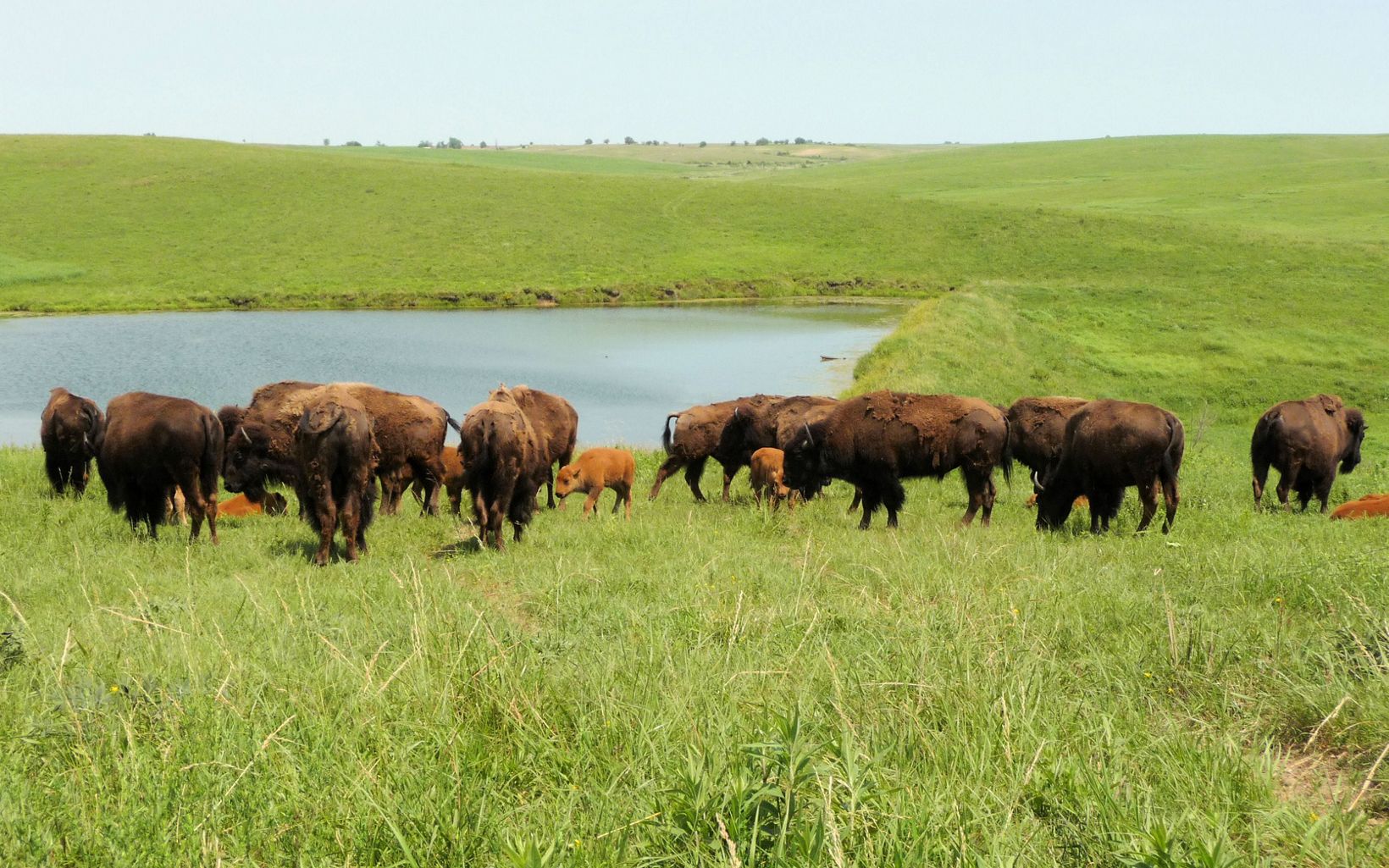
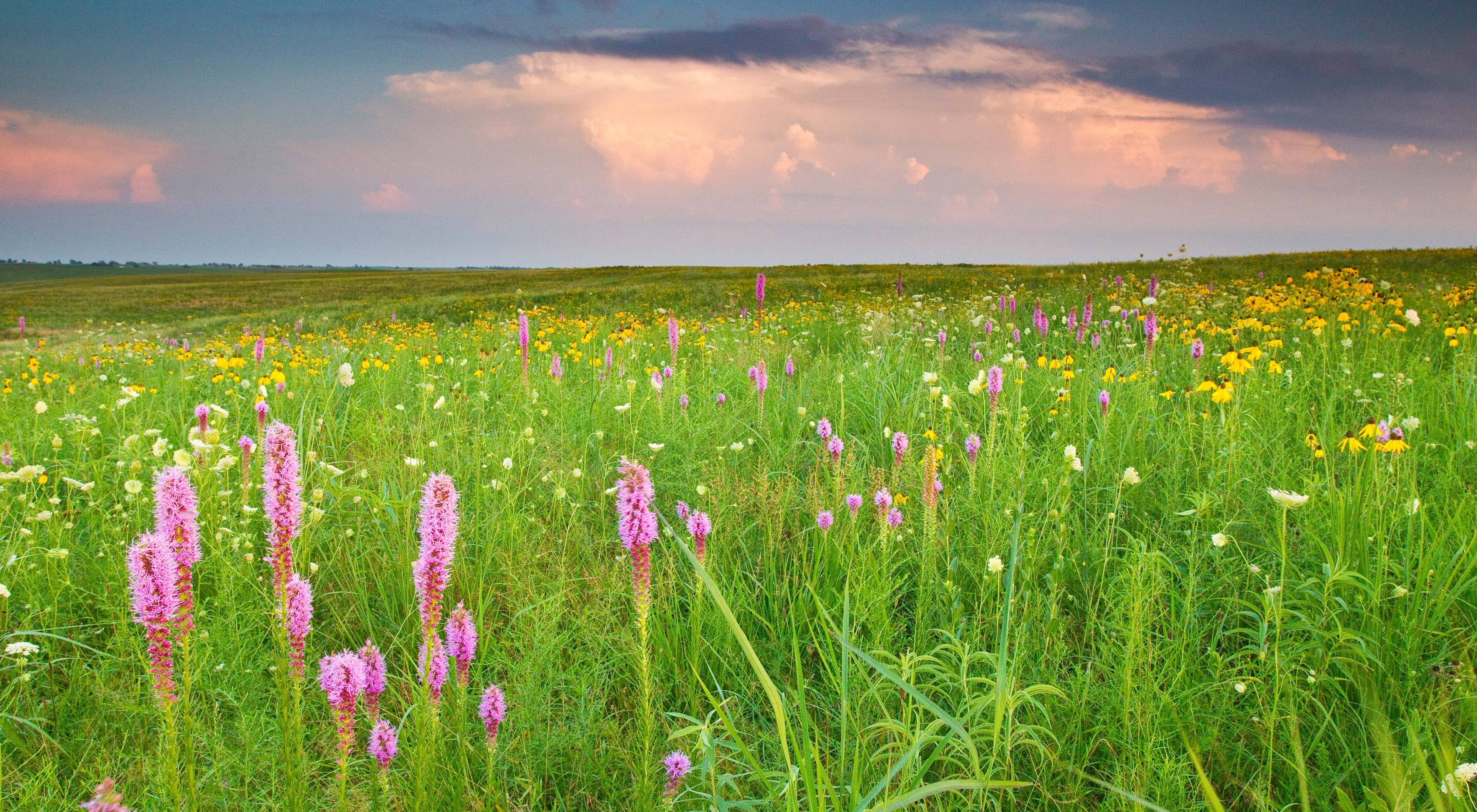
On the wide-open expanses of Dunn Ranch Prairie, prairie-chickens still perform their colorful spring "booming," the upland sandpiper's ghostly call carries in the wind, regal fritillary butterflies alight on gorgeous coneflowers and bison roam across rolling hills. Grasslands are important not only for native species, but also for people. They clean our water, protect us from flooding and store carbon in their roots.
In the entire Central Tallgrass Prairie Ecoregion, an area spanning 110,000 square miles and parts of six states, Dunn Ranch Prairie represents possibly the last chance to conserve a living landscape of tallgrass prairie on deep soil. Of the original 2,281-acre plot purchased by The Nature Conservancy, more than 1,000 acres have never been plowed.
History of Dunn Ranch Prairie
When the Dunn family homesteaded in northern Missouri 150 years ago, the land was miles of virgin bluestem and switchgrass—a sea of grass as far as the eye could see.
Through the years, the countryside changed. Most of the land was used for grazing cattle or turned into corn or wheat fields. The prairie grasslands diminished. By the mid-1900s, of the original 15 million acres of grassland in Missouri, only remnants of the original tallgrass remained.
In 1999, The Nature Conservancy purchased 2,281 acres from descendants of the Dunn family—and in 2019, Dunn Ranch Prairie celebrated its 20th year of restoration.
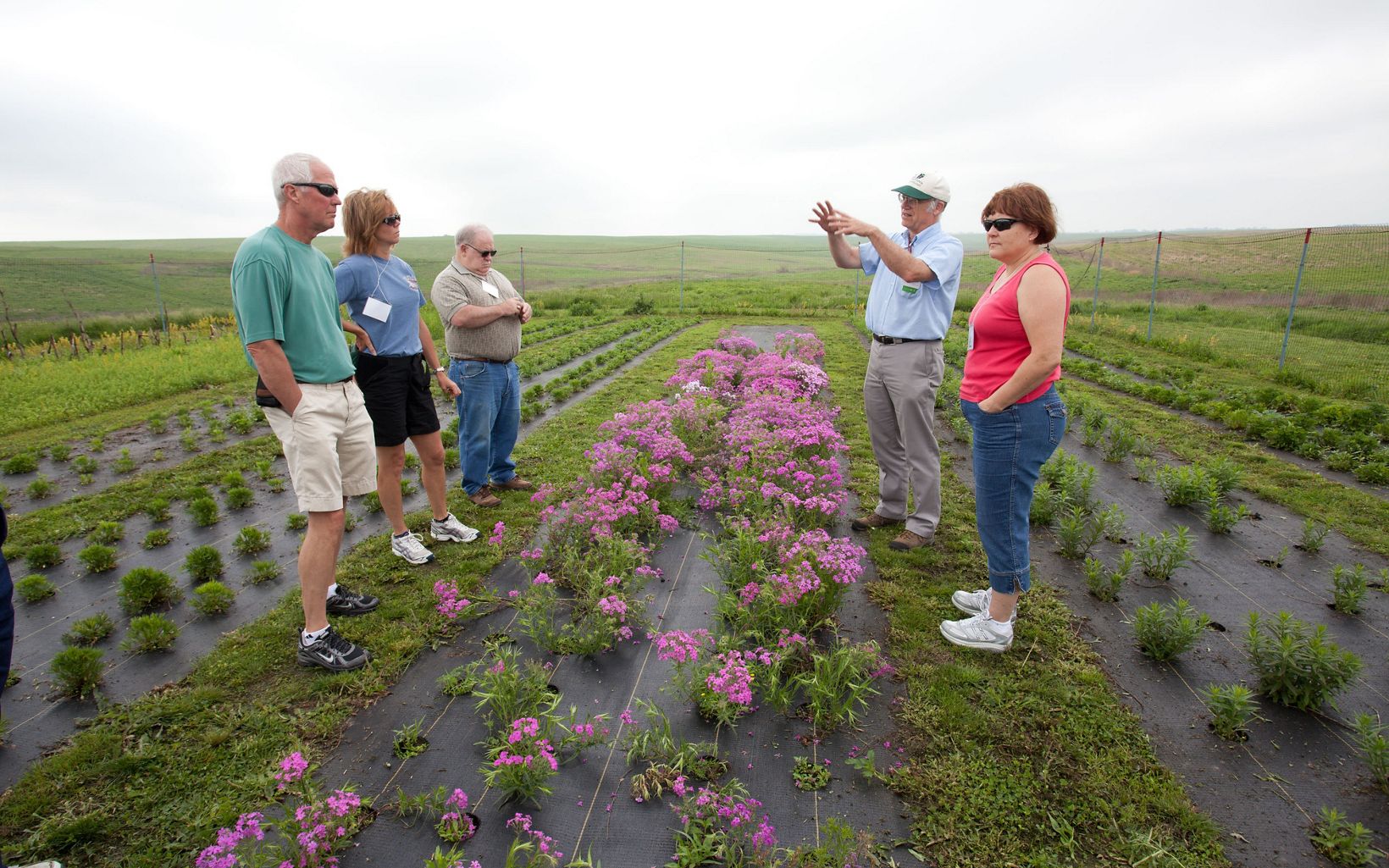
Now at 3,258 acres, the prairie buzzes with activity as staff and volunteers re-seed native species, remove non-native plants, share insights with local farmers and teach area school children about the value of the land.
Throughout the years, TNC has collaborated with other conservation teams such as the Missouri Department of Conservation, the Iowa Department of Natural Resources and the U.S. Fish and Wildlife Service. Bison were introduced in 2011; the federally endangered Topeka shiner population has been re-established; and state endangered greater prairie-chicken’s breeding grounds have been restored.
Read more about the history of Dunn Ranch Prairie here.
ABOUT THE RESTORATION
In 1999, work to convert fields of fescue back to native tallgrass prairie began. Successful prairie plantings require regular prescribed burns and decades of work managing invasive species. Invasive plant species, such as fescue, Osage orange, honeysuckle and locust trees threaten the open prairie.
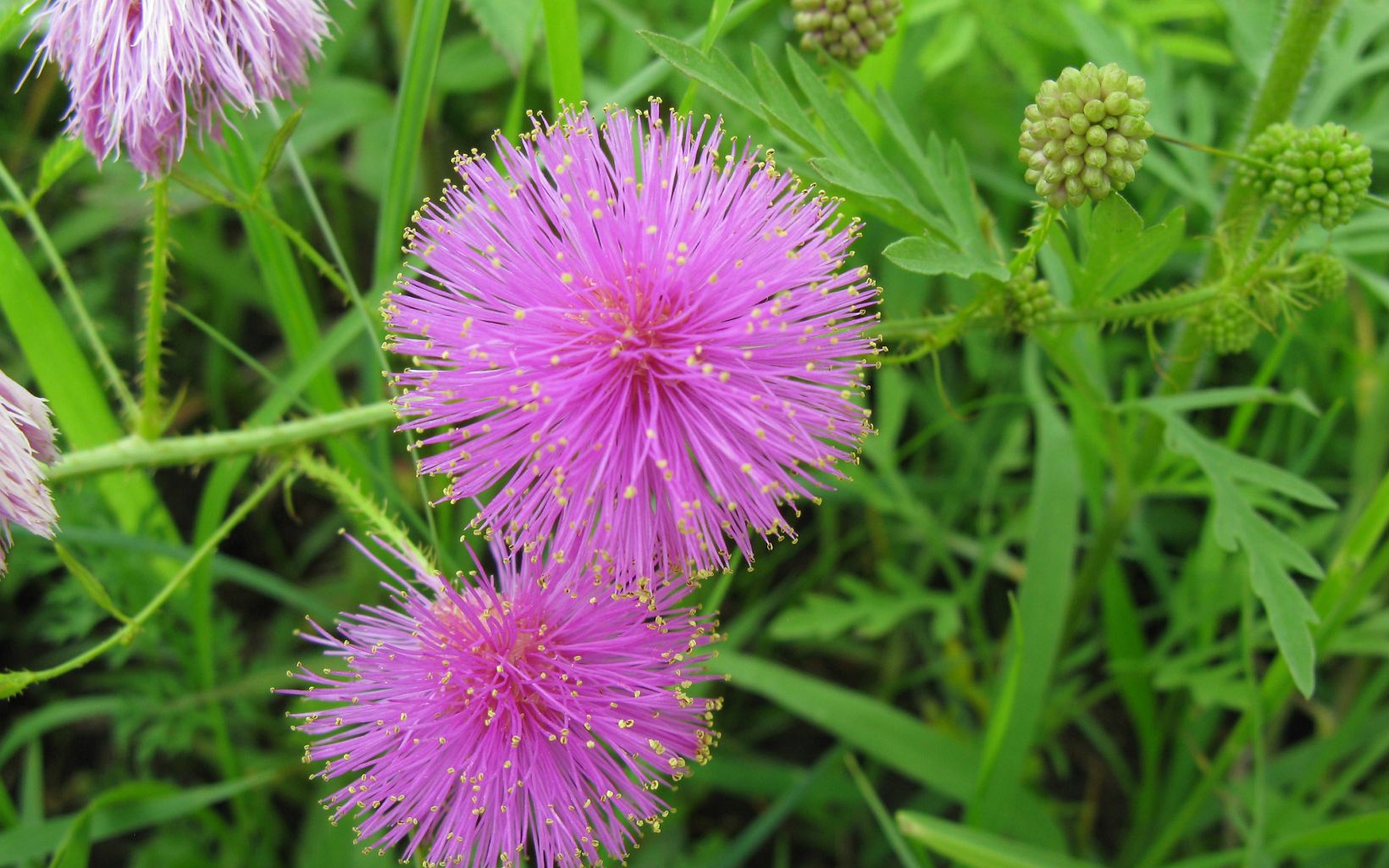
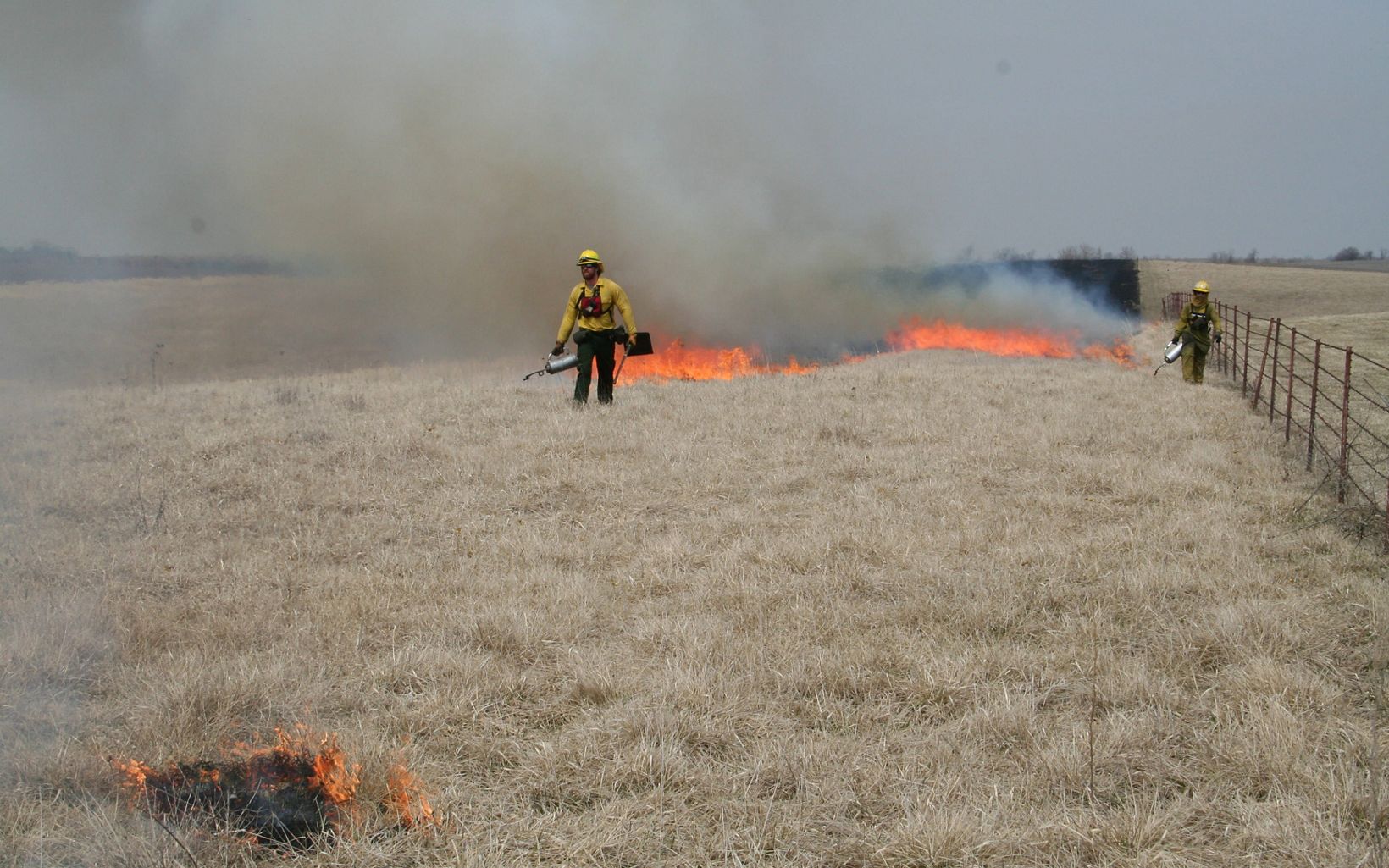
Prescribed fire is used to recreate the effects of natural wildfires that historically occurred here. Fire benefits include releasing nutrients into the soil, spurring seeds to germinate, prompting flowers to bloom and controlling tree seedlings that encroach on the grassland. Since restoration efforts have begun, several native plant species have emerged that were previously unrecorded at the site, including sensitive briar, prairie milkweed and shooting star.
Throughout the years, Dunn Ranch Prairie has become a hub for cutting-edge technology and research. Dozens of studies, including bison and prairie-chicken tracking, pollinator studies, soil health research, ongoing bird surveys and vegetation and grazing studies have taken place at the site.
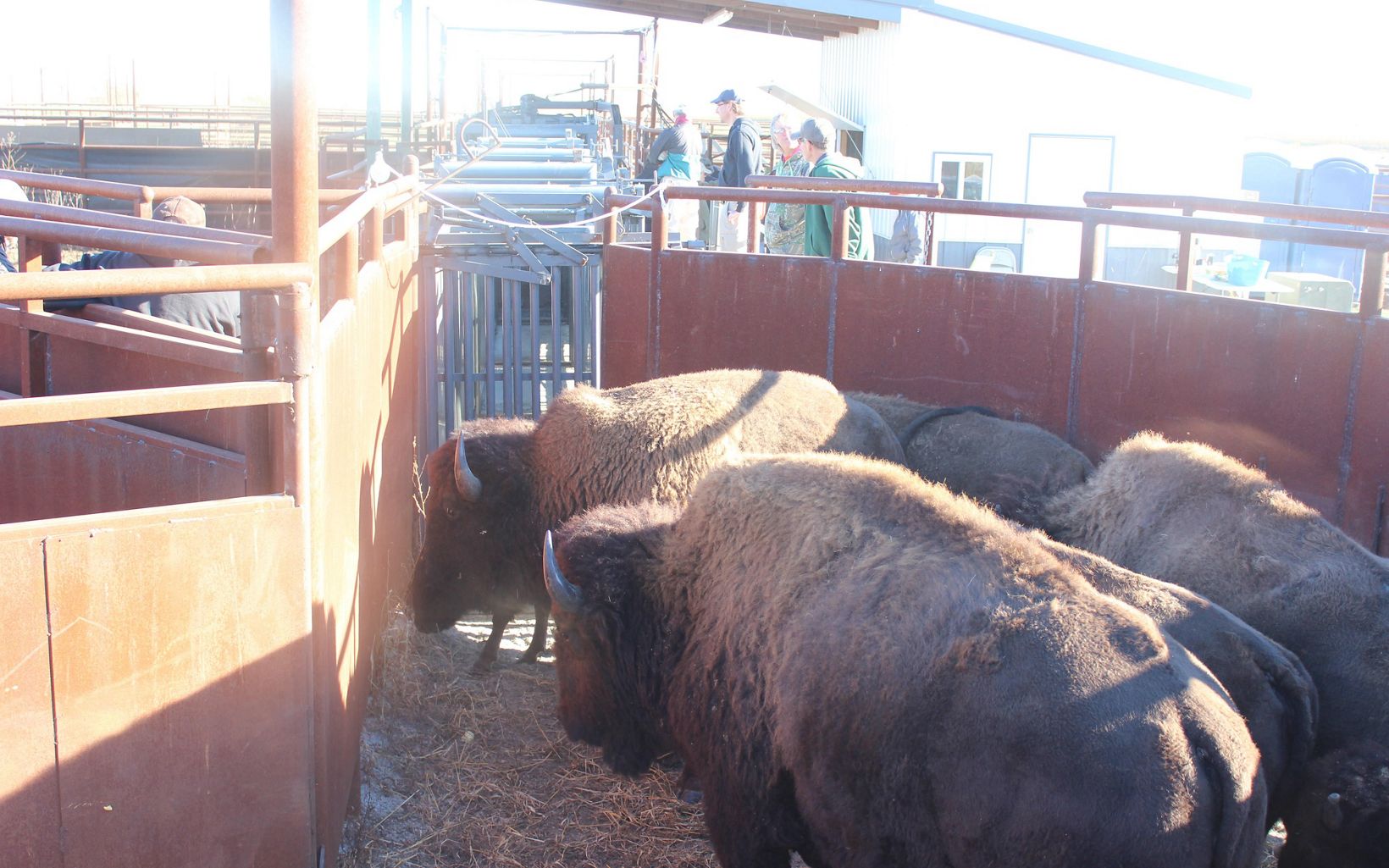
In 2011, bison were reintroduced onto the prairie as a management tool to help maintain a biologically rich landscape. Bison behaviors, such as wallowing, tree horning and roaming while grazing, increases diversity in grassland species—while their grazing patterns and the way they trample the ground provides varying habitats for wildlife and nesting birds.
HUNTING
Limited hunting is allowed at Dunn Ranch Prairie and public access to the bison pastures is strictly prohibited. Contact us at missouri@tnc.org for more information.