

- Phone: 601-713-3355
-
Follow


Existing much as they did centuries ago, these bottomland forests are home to bears, birds and more.
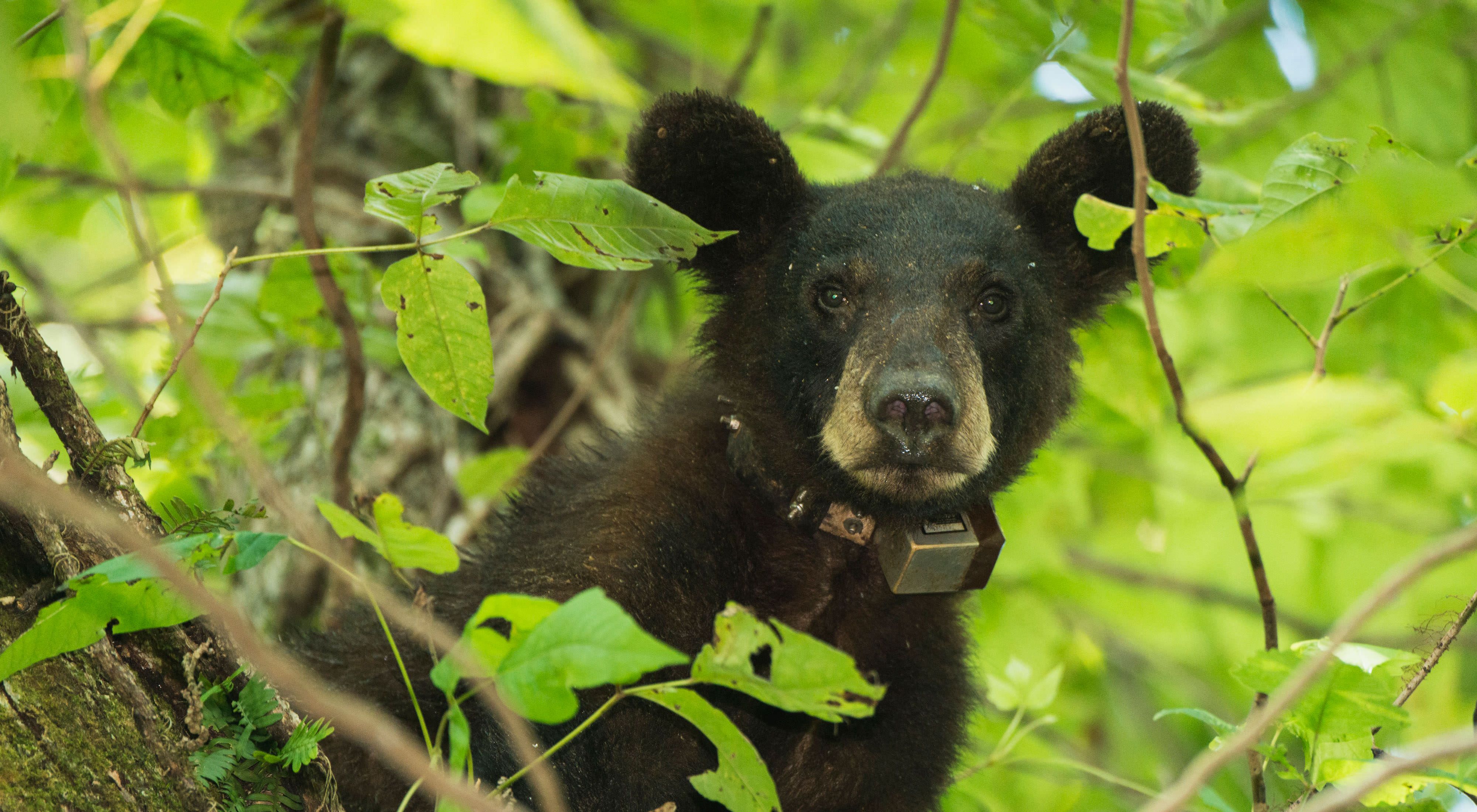
Along with swamps, bayous and rivers, the historic floodplain of the Mississippi River contained 24 million acres of hardwood forests. The remaining 4.4. million forested acres—often in small fragments—provide vital habitat for black bears, songbirds, alligator snapping turtles and abundant game species. Throughout Mississippi and the Delta, these smaller forested sections are challenging for animal species that require large, undisturbed forests to survive.
Water quantity and quality can also be trouble. As rivers have been leveed, dredged, straightened, drained and diverted, their natural flood cycles have been disturbed and their channels have become less stable. Water quality has declined with the addition of sediments, nutrients and runoff of herbicides and pesticides, making it difficult for animals and plants to survive.
In the Delta, TNC is continuing its long history of partnering with public agencies, private landowners, businesses and organizations to restore land. We are working with Delta National Forest and several Wildlife Refuges to improve the quality of land, most recently in Yazoo National Wildlife Refuge where tree planting and a reduction in erosion and nutrients in waterways will improve the area for plants, animals and communities.
SPECIFIC PROJECTS
Entergy Charitable Foundation provided funding in 2010 to reforest 900 acres of Yazoo National Wildlife Refuge with over 450,000 trees.
Working with the Bear Education and Restoration group, TNC helped secure significant government funding to restore 7,950 acres of privately owned bottomland hardwood forests and forested wetlands. These areas are critical habitat for the Louisiana black bear, game species and migratory songbirds.
In 1990, the Dahomey National Wildlife Refuge was created by the TNC transfer of 9,269 acres to the U.S. Fish and Wildlife Service.
FUTURE FOCUS
TNC strives to created protected wildlife corridors in the Delta, connecting naturally functioning ecosystems for the benefit of both wildlife and people. From restoring streams and wetlands to working with farmers to establish innovative water management practices on agricultural lands, each effort is vital in the effort to restore and improve the landscape.
With abundant support from rural landowners, TNC is supporting existing and new incentive packages including Farm Bill and carbon sequestration programs which provide financial incentives for private landowners to protect and restore critical forest and wetland areas in the Yazoo River Basin.