

We're working with you to make a positive impact around the world in more than 35 countries, all 50 United States and your backyard. Support our work
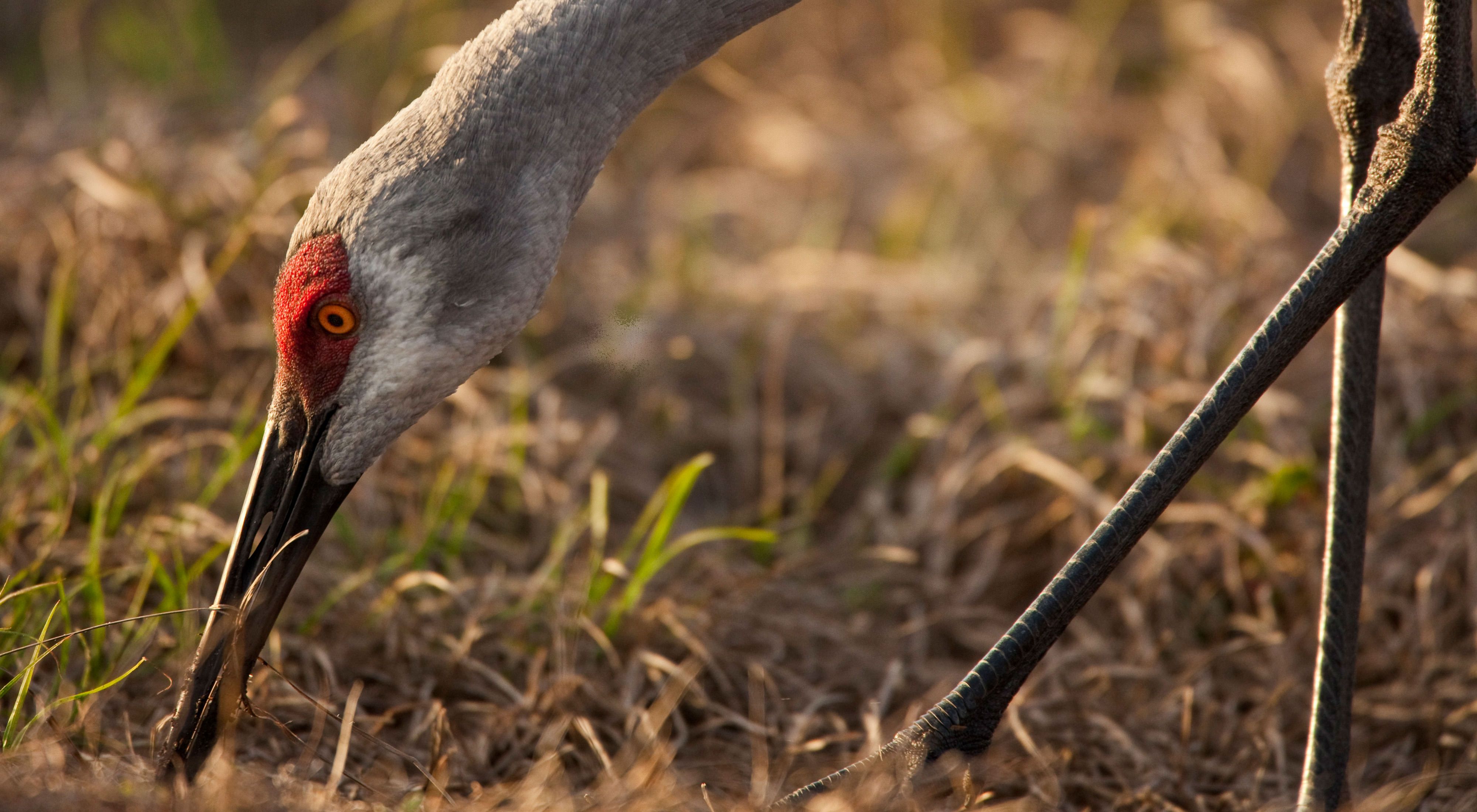
In early spring, visitors to Anna Gronseth Prairie will not want to miss observing the greater prairie chicken on its booming grounds, or "leks." Another highlight is the spring and fall migrations of sandhill cranes. Because of its large size, the preserve affords one the opportunity to experience what Dakota Indians and early settlers must have felt as they hiked through the vast, unfragmented acres of tallgrass.
Location
Western Minnesota, Wilkin County, near Rothsay
Size
1,299 acres
Why the Conservancy Selected This Site
Records indicate that much of the Anna Gronseth Prairie was used by early settlers for agriculture. A house and barn were constructed on the property in 1935, but those structures no longer remain. To protect habitat for the greater prairie chicken (a species of special concern in Minnesota) The Nature Conservancy acquired the first 160-acre tract from Anna Gronseth in 1973; with additions purchased periodically from 1974 through 1999.
What the Conservancy Has Done/Is Doing
Six hundred forty-eight acres were transferred to the State of Minnesota in 1993 and named Rothsay Wildlife Management Area. To maintain the integrity of the native prairie, the Conservancy uses prescribed burns in its management. Stewards also control invasive weeds on a yearly basis at Anna Gronseth Prairie.
Plants
Some plants growing in the preserve's peat soils are considered distinctive or rare for Minnesota. These species include brook lobelia, Riddell's goldenrod, arrowgrass and lesser-fringed gentian. The northern gentian, Hall's sedge and small white lady's slipper are all designated as species of special concern in Minnesota. One threatened species, the sterile sedge, is also found on the preserve.
Animals
The famed Tympanuchus cupido, or greater prairie chicken, is a major attraction to visitors. The preserve also features other rare birds, including the yellow rail, marbled godwit and the sharp-tailed sparrow (all species of special concern), and Wilson's phalarope, a threatened species. The regal fritillary, a butterfly of special concern, also inhabits the preserve.
For more information on visiting this and other Minnesota preserves, check out our Preserve Visitation Guidelines.
From Rothsay, travel west on County Route 26 for approximately 5 miles. Turn south on Route 169 and travel for approximately 3.25 miles. Park along the road on the west edge of the preserve. Nearest services are in Rothsay.
Have you been to this preserve? Are you thinking of visiting? See what others are saying about their experiences and add your comments below.
Time for you to join the discussion. Tell us about your experience at this preserve. What plants and animals did you see? When did you go? You can help others plan their visit when you share your thoughts. And thank you for visiting one of our nature preserves!
Whether scary or exciting, nature has a way of sneaking up on you. See stories
Hear some of nature's success stories and see how nature matters to us all. Watch videos