
We're working with you to make a positive impact around the world in more than 35 countries, all 50 United States and your backyard. Support our work
Yes
This land will be open for foot access and activities such as hiking, snowshoeing, bird watching and deer hunting by permit. View All
Located in Alger County in the Upper Peninsula View All
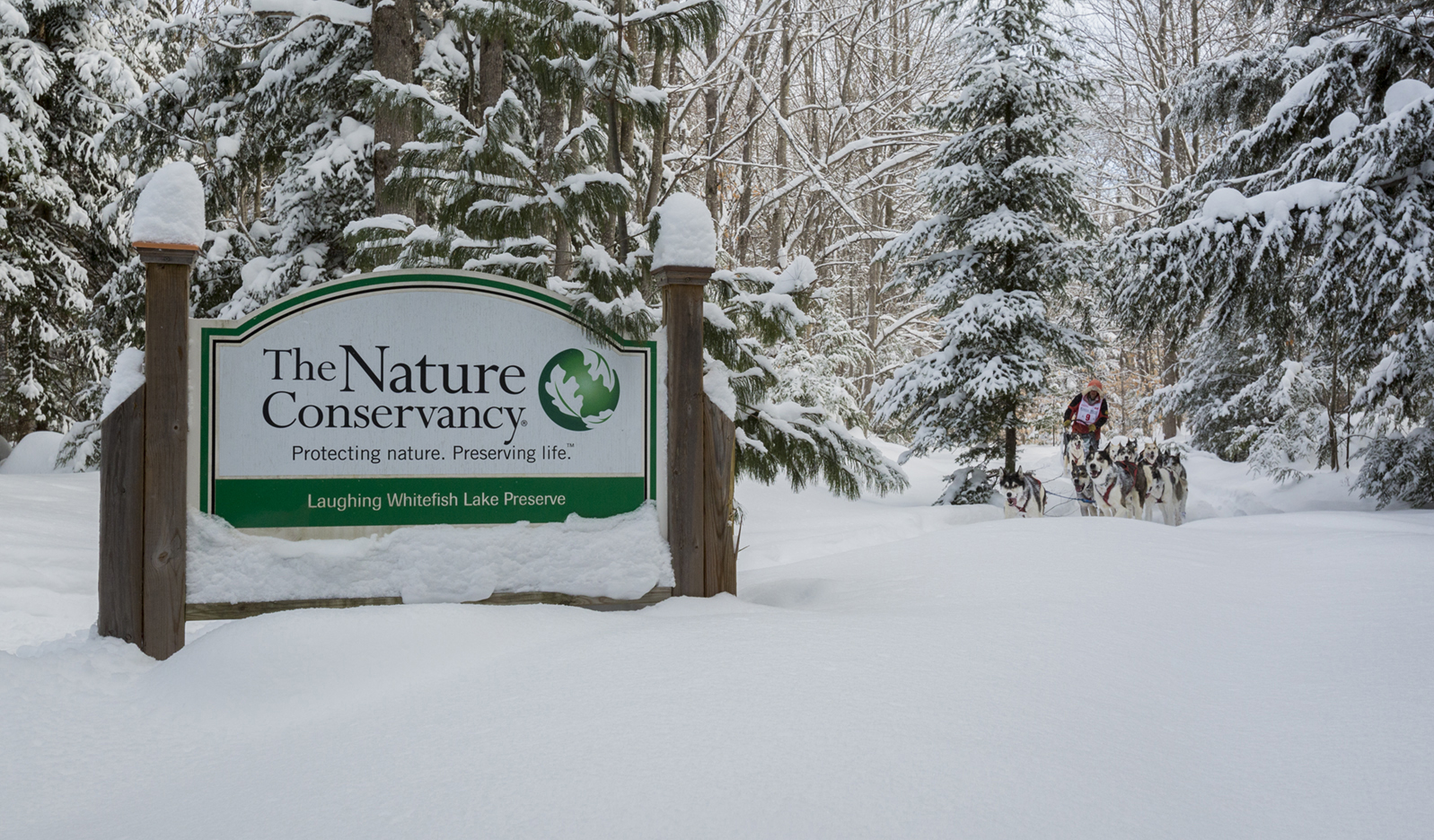
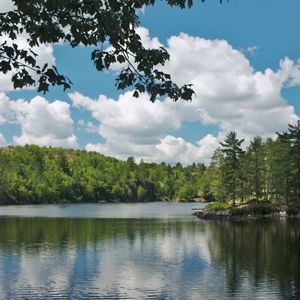
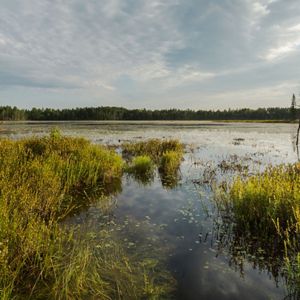
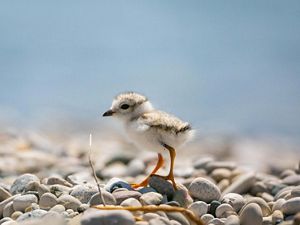
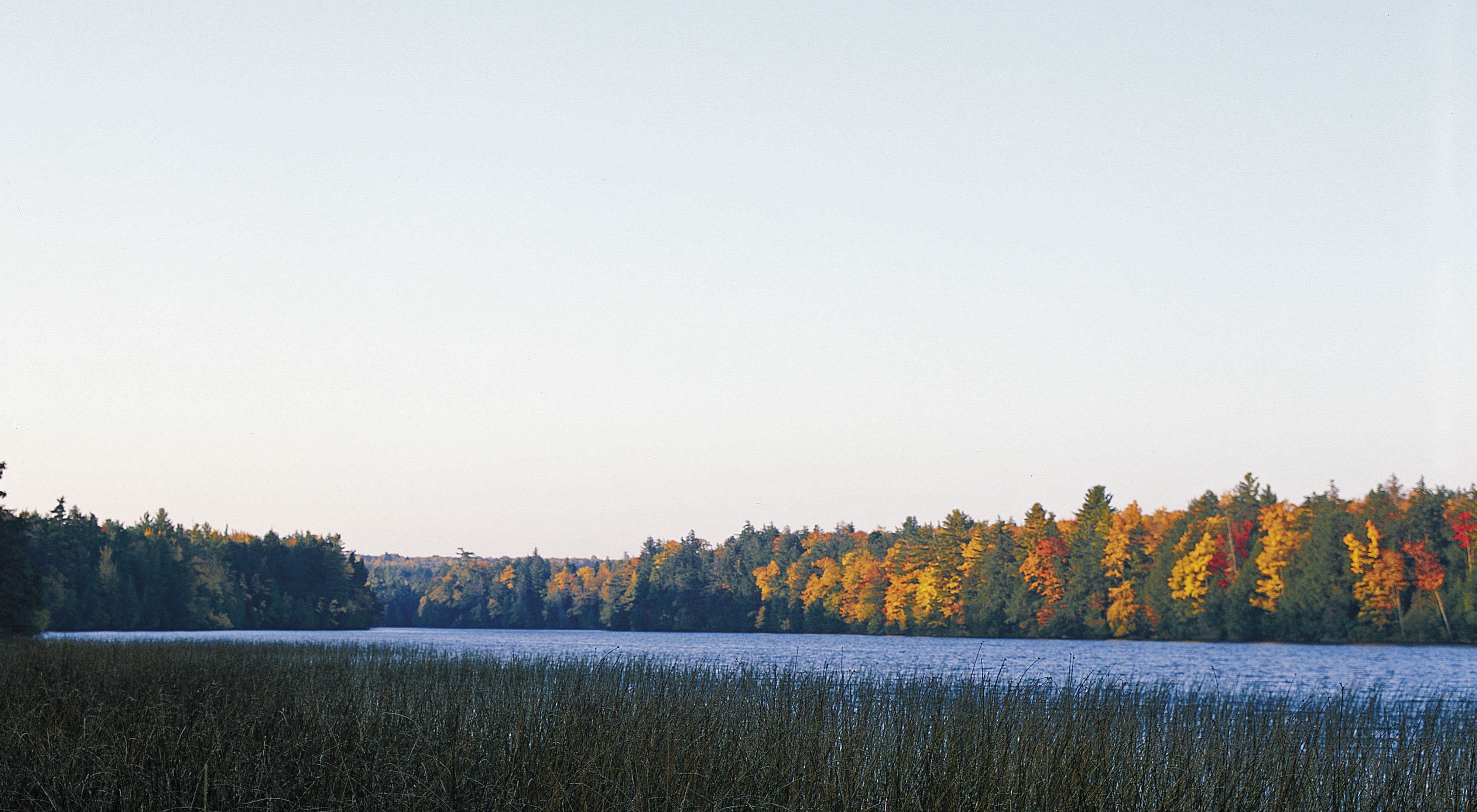
Laughing Whitefish Lake Preserve lies in western Alger County, along Laughing Whitefish Lake and River, six miles south of the river’s mouth at Lake Superior. This 1,728 acre preserve includes three-quarters of the lake as well as over 1,000 acres of surrounding wetlands and upland forest. Bald eagles and loons, along with more common animals like the black bear, river otter, beaver, leopard frog and a host of warblers, thrushes and woodpeckers frequent the area. The varied habitats here - marsh, cedar and alder swamp, hemlock-hardwood forest, and beech-maple forest - all work in unison to support these creatures.
Why the Conservancy Selected This Site
This site was a generous donation from Phyllis Reynolds to honor her late husband, Max Reynolds, Jr. The land has been revered for its natural wonders since the Reynolds’ earliest relatives first set foot here. The family goes back as far as Peter White, one of the earliest founders of the city of Marquette. White first acquired the property and built his wilderness camp there in the early 1800s. Later, White’s son-in-law George Shiras III used the lake to successfully test his newly invented method of photographing wildlife at night. Laughing Whitefish Lake became famous when the pictures were featured at the 1900 World Exposition in Paris and in National Geographic magazine as the first night photos of wildlife ever taken in the world. Max Reynolds, Jr. was the nephew of George Shiras III.
What the Conservancy Has Done/Is Doing
The preserve has a self-guided “George Shiras III Discovery Trail” through a portion of the preserve. This trail is a mile long loop with an accompanying interpretive brochure which describes plants, animals and historical markers of interest along the route. Visitors can also see better views of Laughing Whitefish Lake thanks to volunteer help in building an observation platform along the trail.
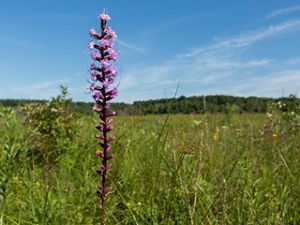
Visitors to this preserve may find spring and fall most appealing because of the prevalence of Neotropical migratory birds and the profusion of colorful wildflowers in the spring and the beautiful reds, oranges, and yellows of the autumn foliage. The preserve's self-guided trail allows you to learn as you go. At the trailhead, you will find a pamphlet containing blocks of information corresponding to each of a series of numbered markers along the trail. If a visit is planned during the summer months, remember to bring insect repellent, as bugs can be intense from May through August.
The Nature Conservancy allows hunting for white-tail deer on this preserve to reduce an unnaturally high deer population in the area and reduce threats too many deer pose to our conservation targets. All hunters are required to receive a permit from the Conservancy as well as a Michigan deer hunting license. Additionally, hunters must report any deer taken from the preserve.
Permitted Activities:
Prohibited Activities:
Please see "Preserve Visitation Guidelines."
From Munising, take M-28 west for approximately 22 miles and turn south (left) on Deerton Rd.
From Marquette, take M-28 east for approximately 15 miles and turn south (right) on Deerton Rd.
Have you been to this preserve? Are you thinking of visiting? See what others are saying about their experiences and add your comments below.
Time for you to join the discussion. Tell us about your experience at this preserve. What plants and animals did you see? When did you go? You can help others plan their visit when you share your thoughts. And thank you for visiting one of our nature preserves!
Whether scary or exciting, nature has a way of sneaking up on you. See stories
Hear some of nature's success stories and see how nature matters to us all. Watch videos