


Description
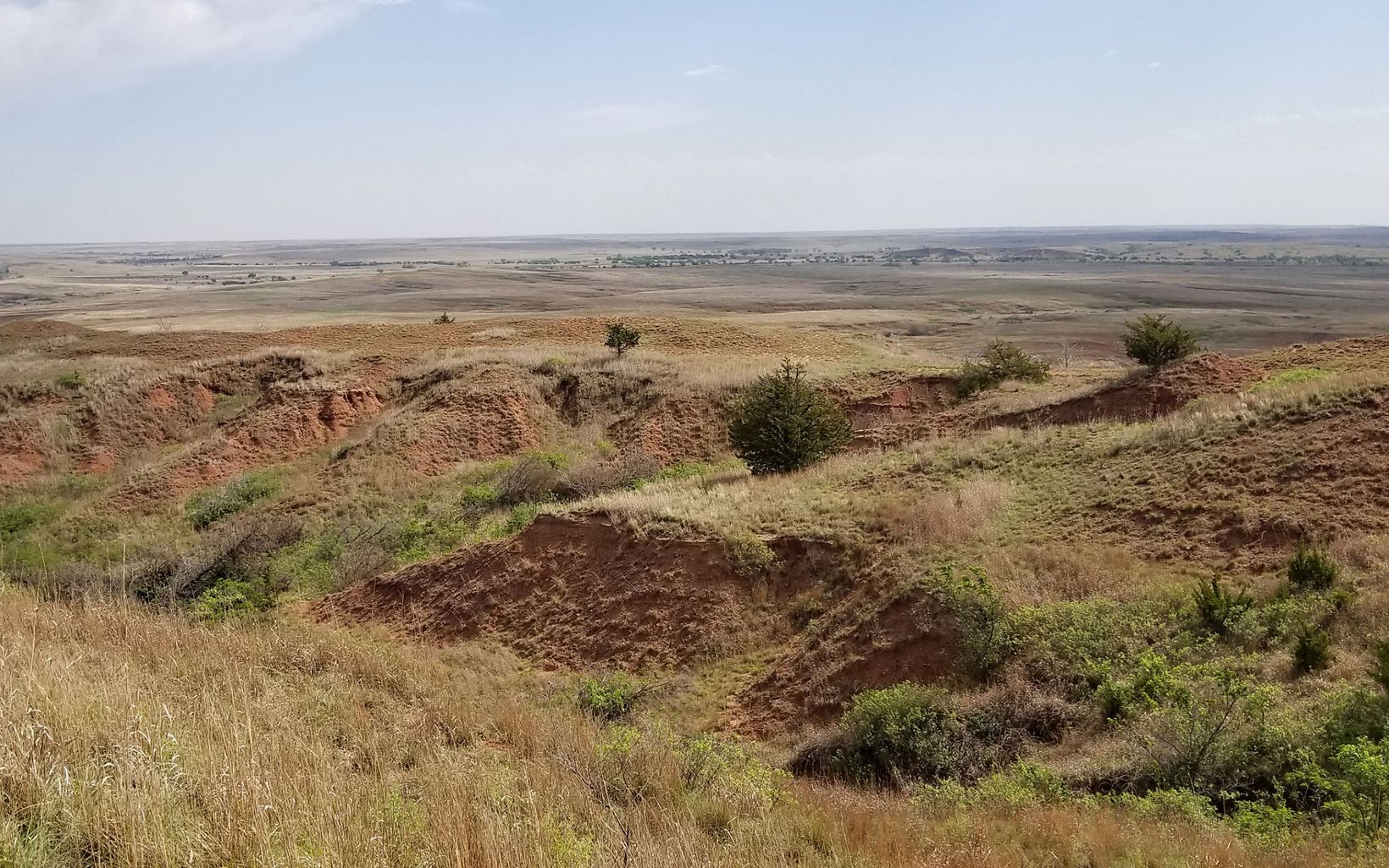
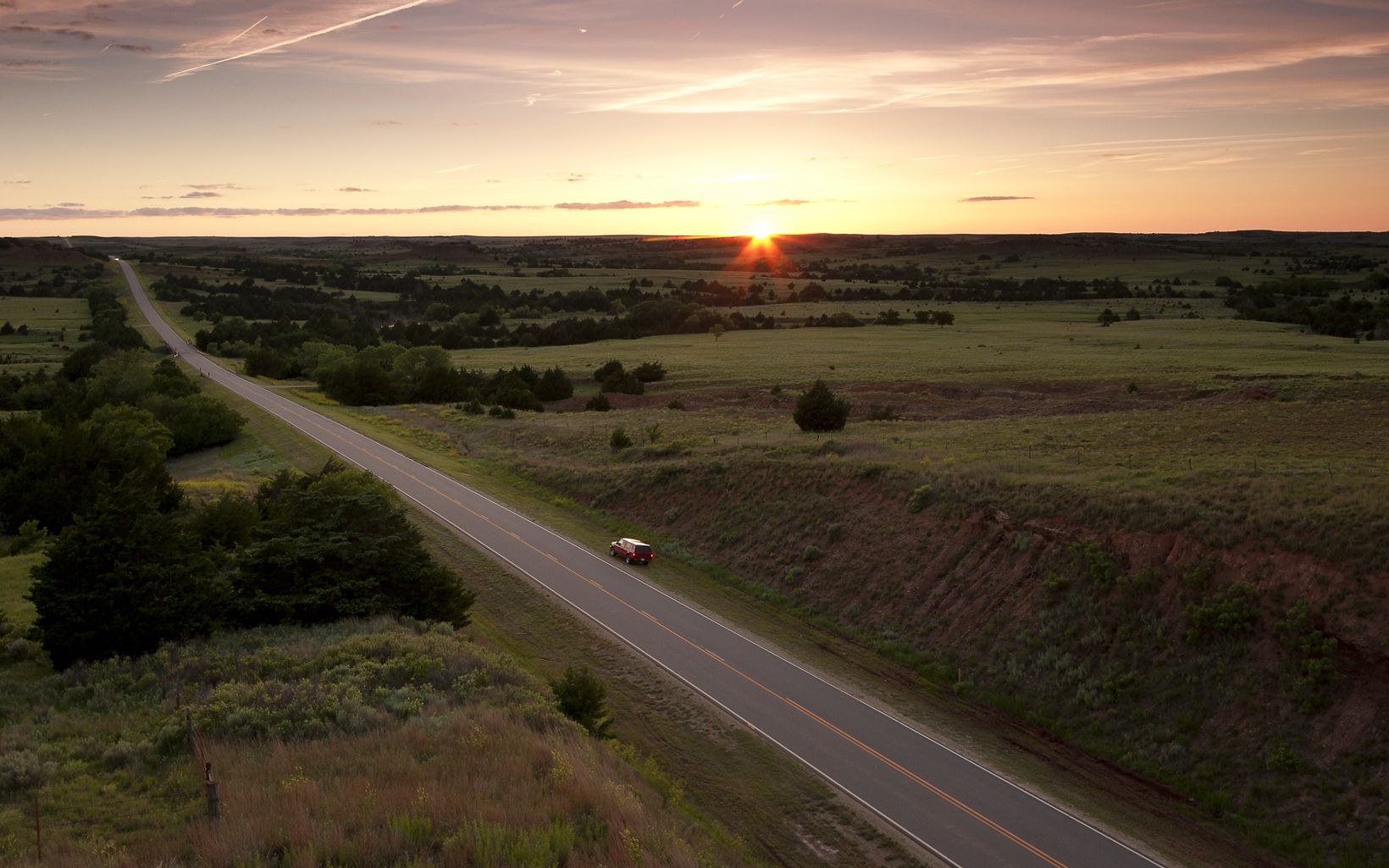
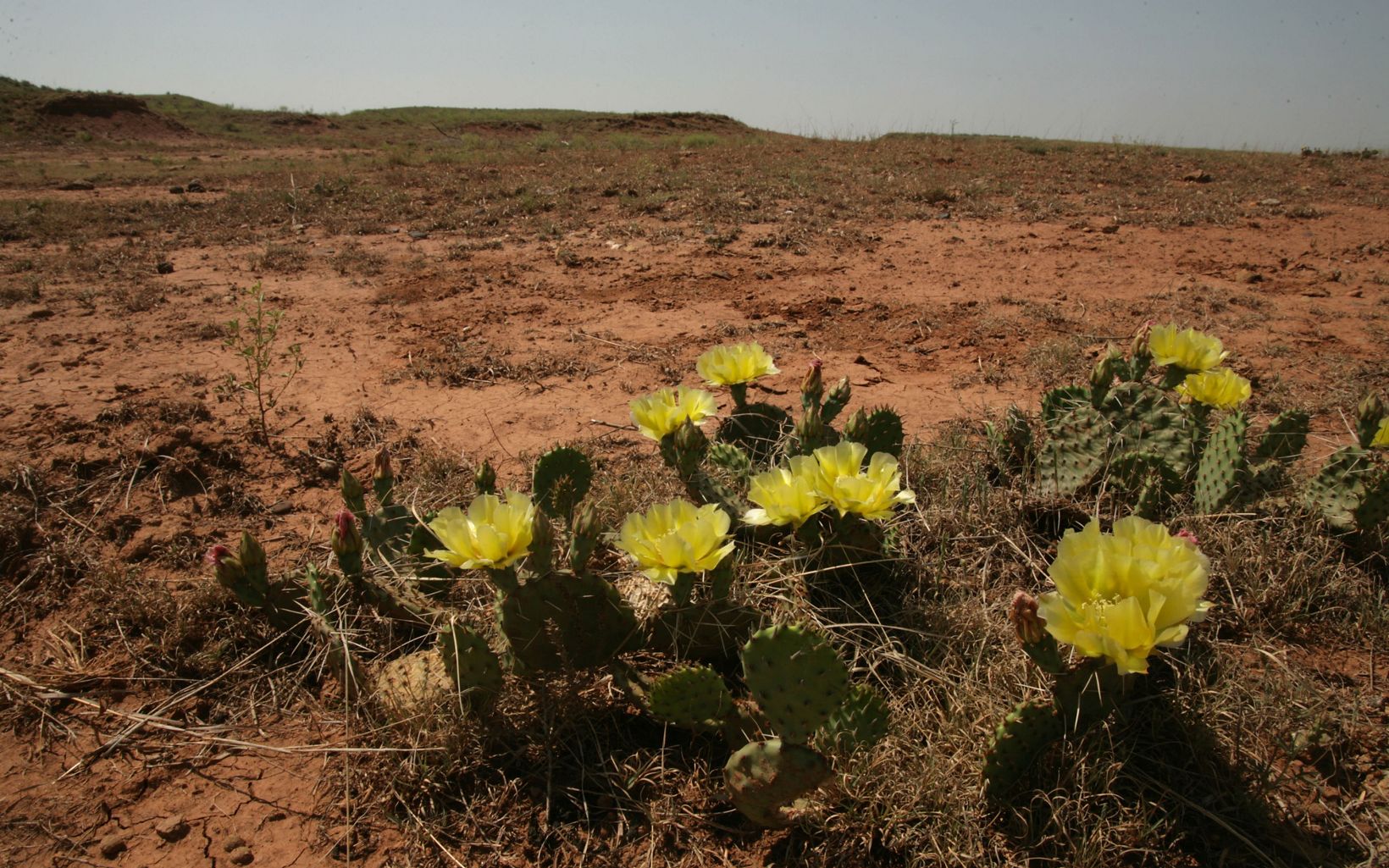
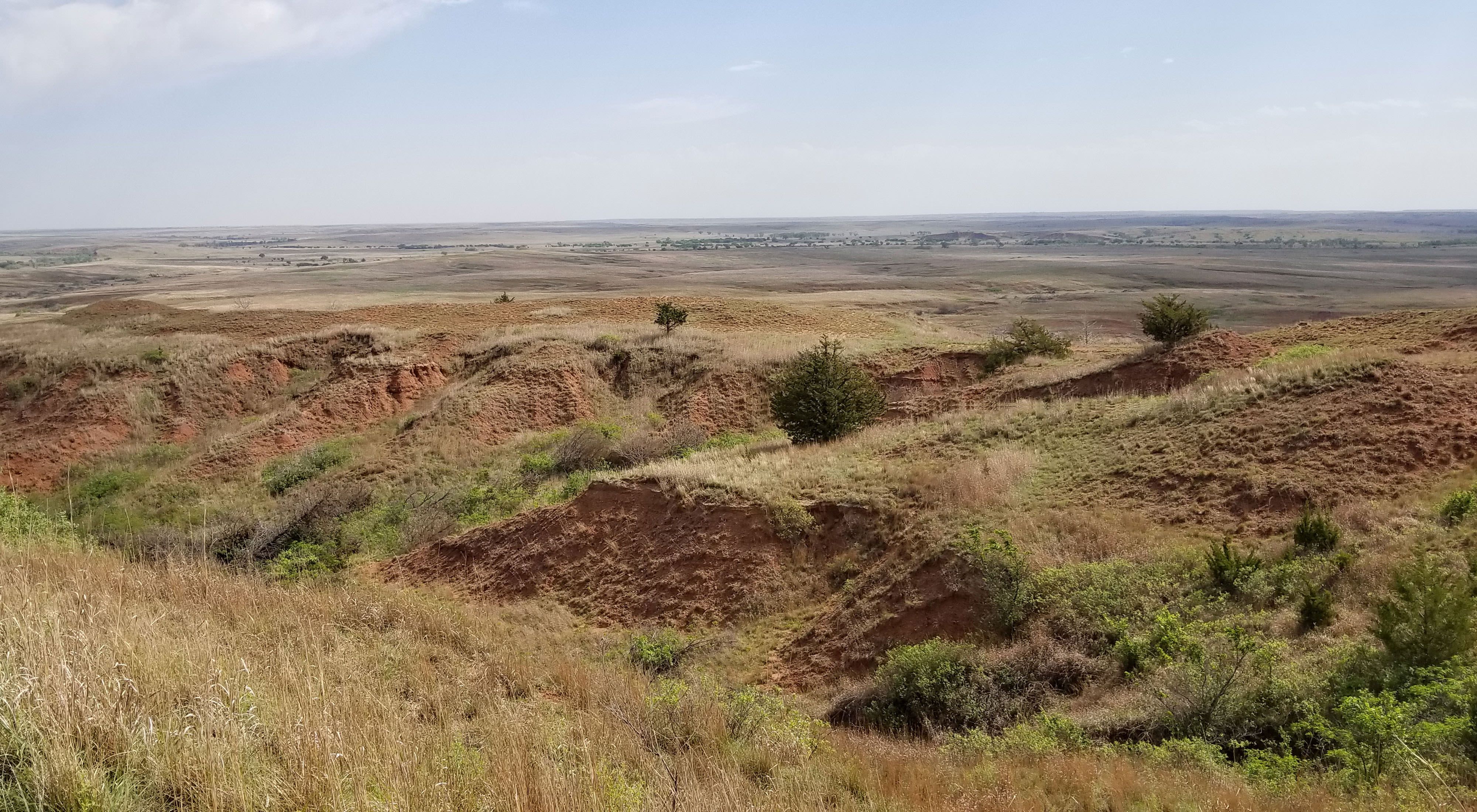
The Red Hills is a vast, rugged region of south-central Kansas. Steep buttes and red-walled canyons overlook the mixed grass prairie landscape and host a diverse plant and animal community. Pristine, spring-fed streams course through the prairie and sustain a wide variety of aquatic life. The majority of Kansas’ 700 caves are found in the Red Hills and they house several bat species. Numerous grassland birds as well as amphibian and reptilian species also depend on the health of this area.
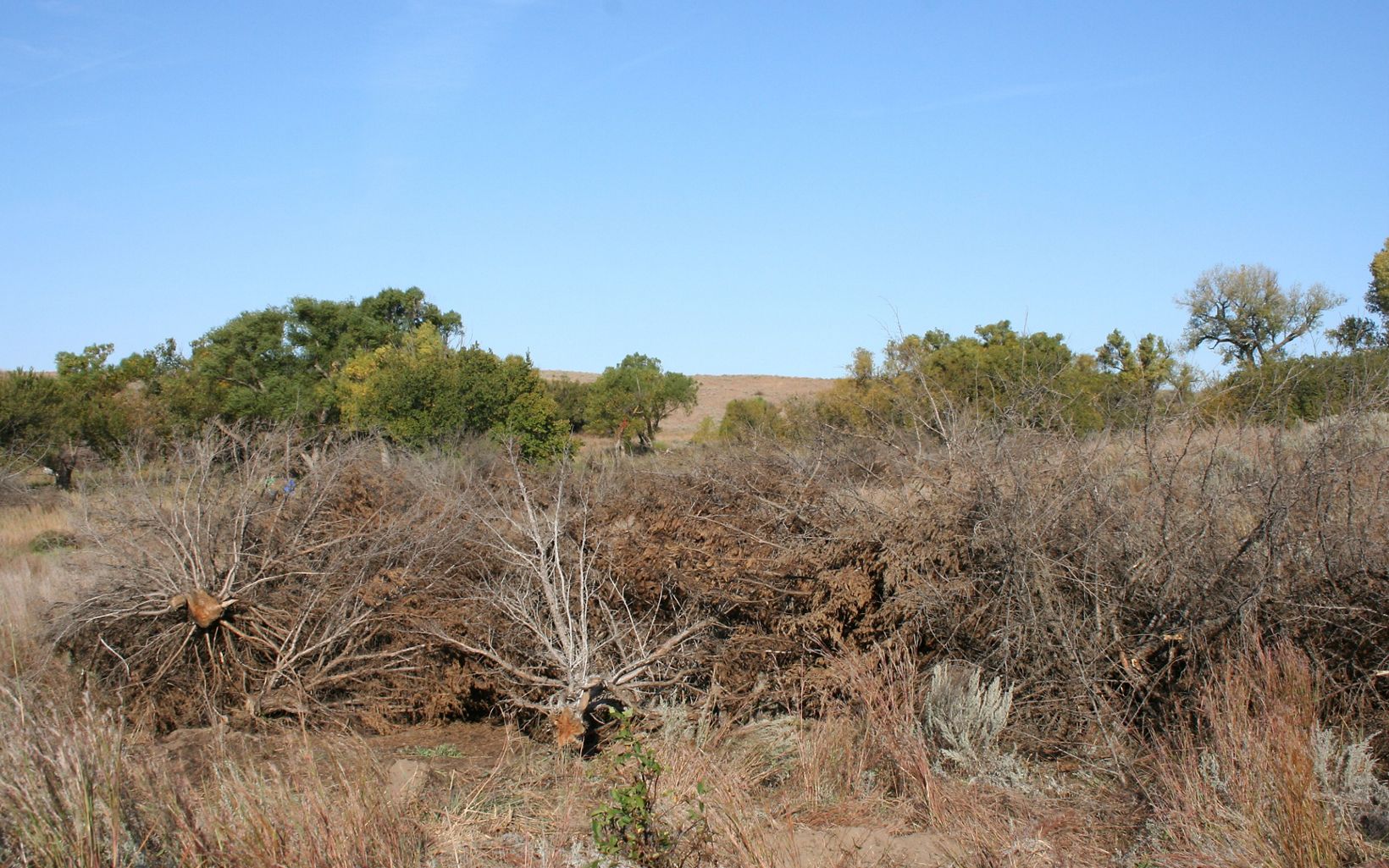
Invasive species, such as Eastern red cedar, are taking over the grassland and changing the dynamics of the environment including flow patterns for small-order streams. Oil and gas development, existing or future mining operations, ranchette subdivision, and roads also have negative impacts on the area. Wind farm facilities and energy transmission lines can fragment and shrink crucial habitat for lesser prairie-chickens.
Conservation and ranching go hand-in-hand
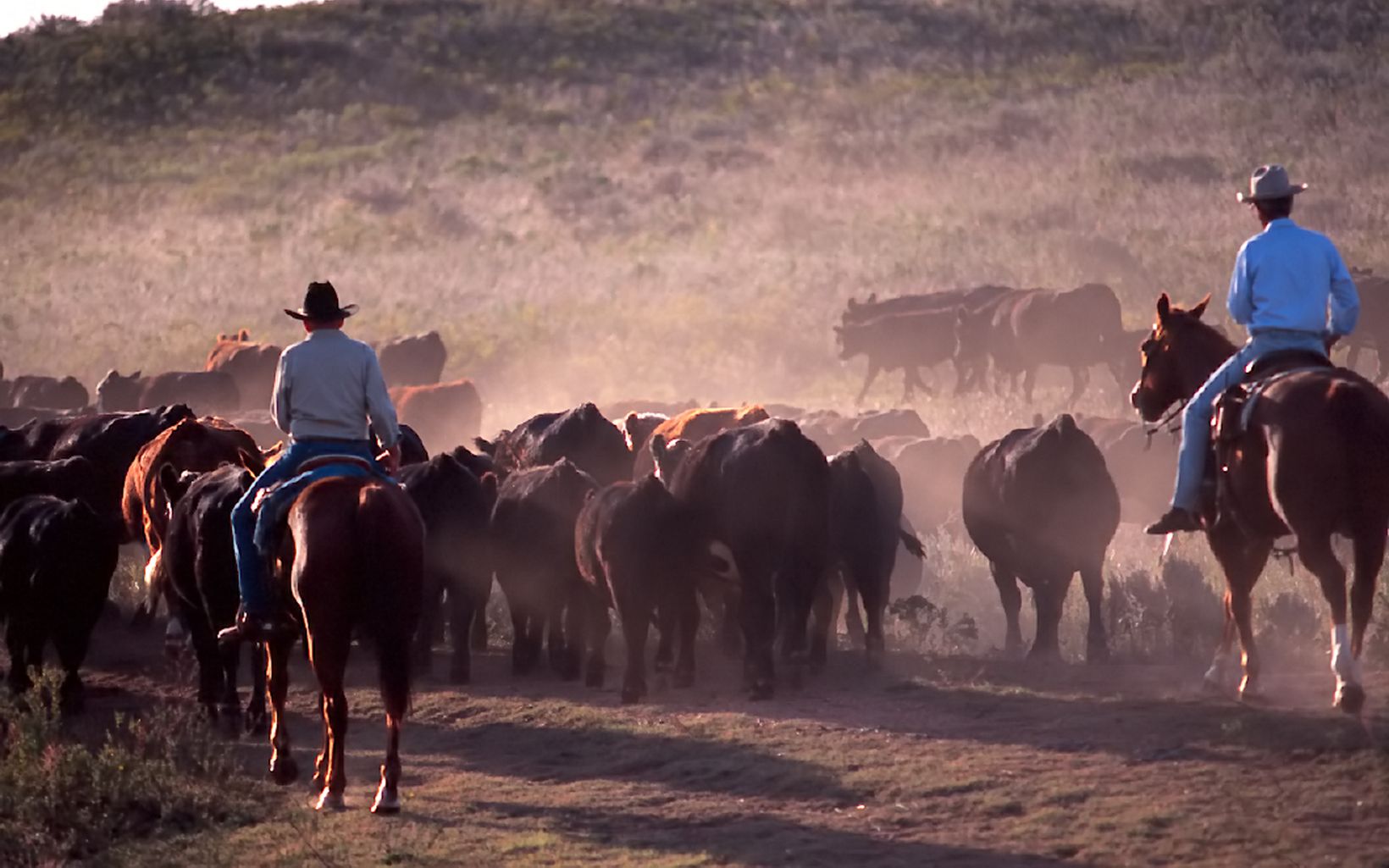
Like many other western rangelands, ranching is deeply ingrained in the culture and economy of the Red Hills, and the majority of land area is comprised of privately-owned ranches. The landowners and managers are rooted in a strong land stewardship ethic, and this ethic is largely responsible for the persistence of species like the lesser prairie-chicken.
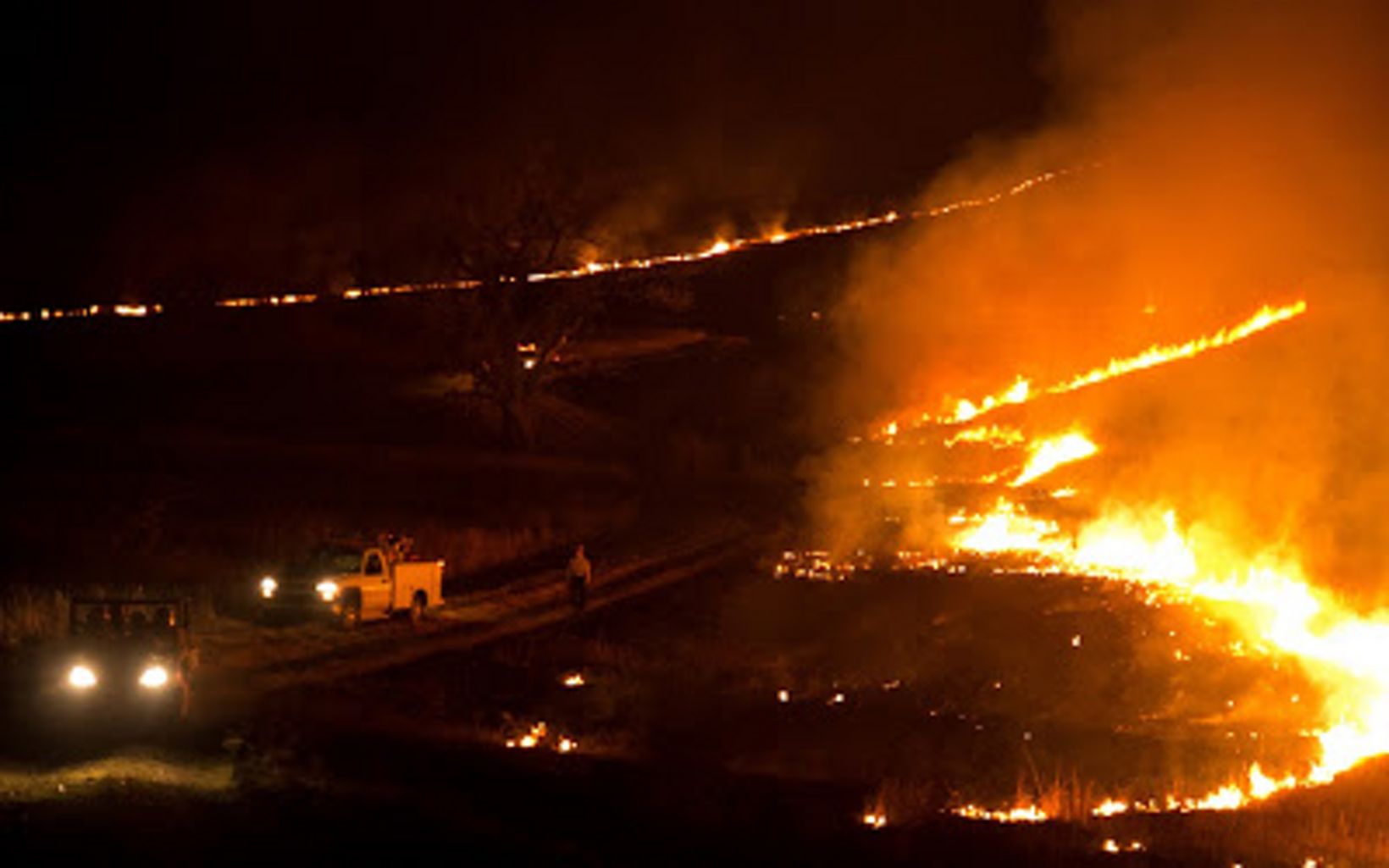
Here, The Nature Conservancy helps landowners fight the “green glacier” of invasive cedar trees, safeguard against destructive mining operations, and improve the condition of their rangelands. We also support local burn co-ops so neighbors can help neighbors bring back controlled fire on their land, transforming the landscape for the better.
Red Hills or Gyp Hills?
The Red Hills are also known as the Gypsum Hills because of their exposed Permian ‘red beds’, the prehistoric combination of brick-red shales, siltstones, sandstones, dolomite and gypsum. They are located primarily in the Kansas counties of Clark, Comanche and Barber and spill into northwestern Oklahoma. In recent history, the Red Hills were known as the Medicine Hills because Plains Indians believed the region’s streams hastened the healing of wounds. They were not far off the mark as the waters contained calcium and magnesium sulfates which can have a therapeutic and healing effect.