
- Phone: 785-233-4400
- Email: flinthills@tnc.org
-
Follow


Less than 4% of the world's tallgrass prairie remains. Most is found in the Flint Hills of Kansas and Oklahoma.

Grasslands conjure images of an endless and open land—tall grasses and wide-open spaces without a glimmer of civilization. But the reality is starker. Native grasslands are the most converted and least protected habitat in the world. They have been plowed under, developed, or overrun with invasive plants and trees.
Tallgrass prairie once covered more than 170 million acres, from Canada through Texas and as far as Indiana in the east. Rich prairie soils made the region prime for agricultural development. Most of the tallgrass prairie has been converted to cropland making this once expansive landscape one of North America’s most altered ecosystems. Much of what remains is fragmented and degraded. Of the about 4% of tallgrass prairie that remains today, most of it survives in the Flint Hills of eastern Kansas and northeastern Oklahoma.

Tallgrass prairie once spanned more than 170 million acres in the center of North America. Light green shading shows the historic range of tallgrass prairie, from modern-day Canada in the north through Texas, and as far east as Indiana. The dark green shading shows what little tallgrass prairie remains today. The largest expanse of tallgrass prairie that now survives is in the Flint Hills of eastern Kansas and northeastern Oklahoma.
What are the Flint Hills?
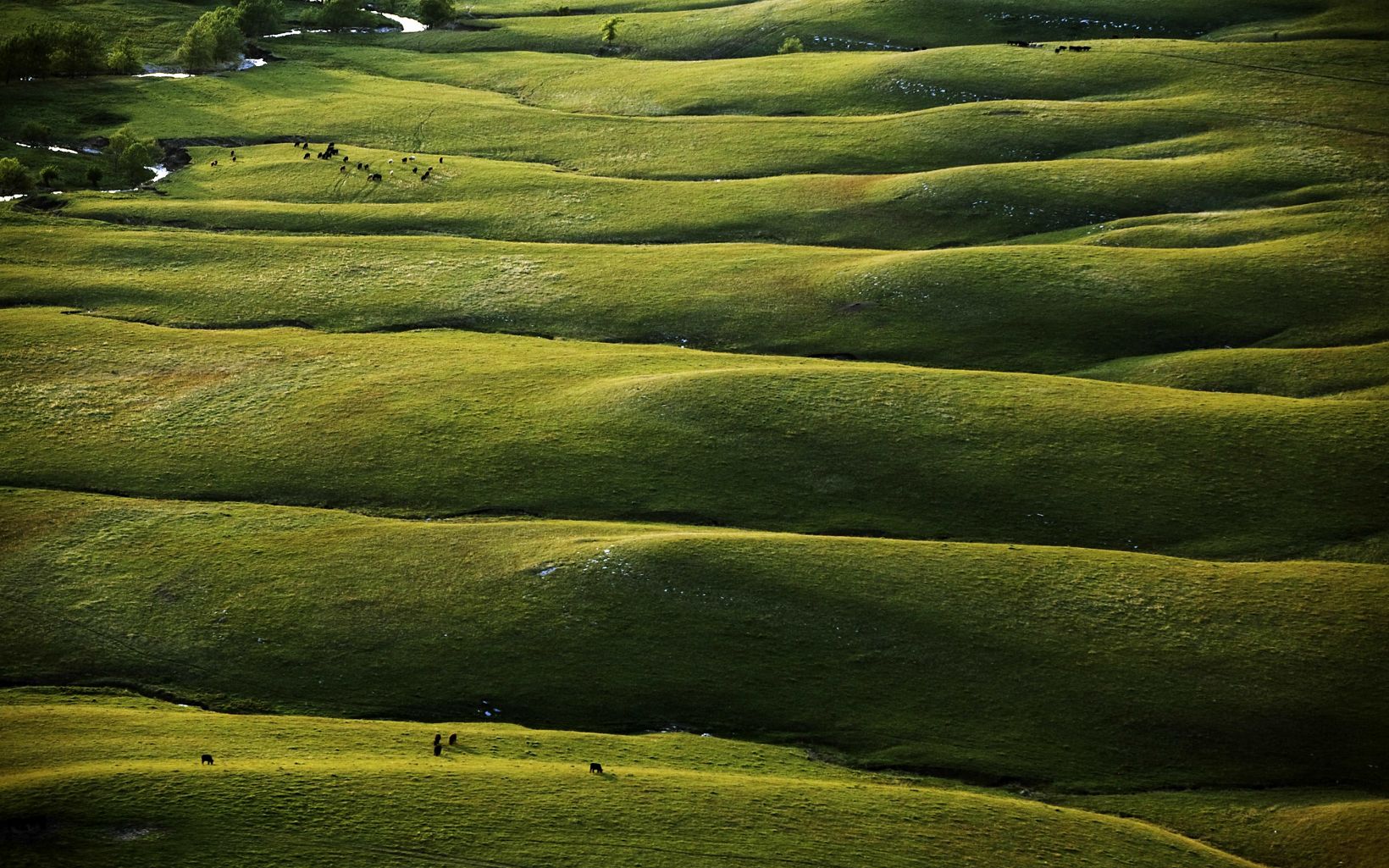
The Flint Hills is a four-million-acre region in eastern Kansas and northeastern Oklahoma. The deep-rooted prairie grasses in the Flint Hills nurture some of the greatest biological diversity in the world.
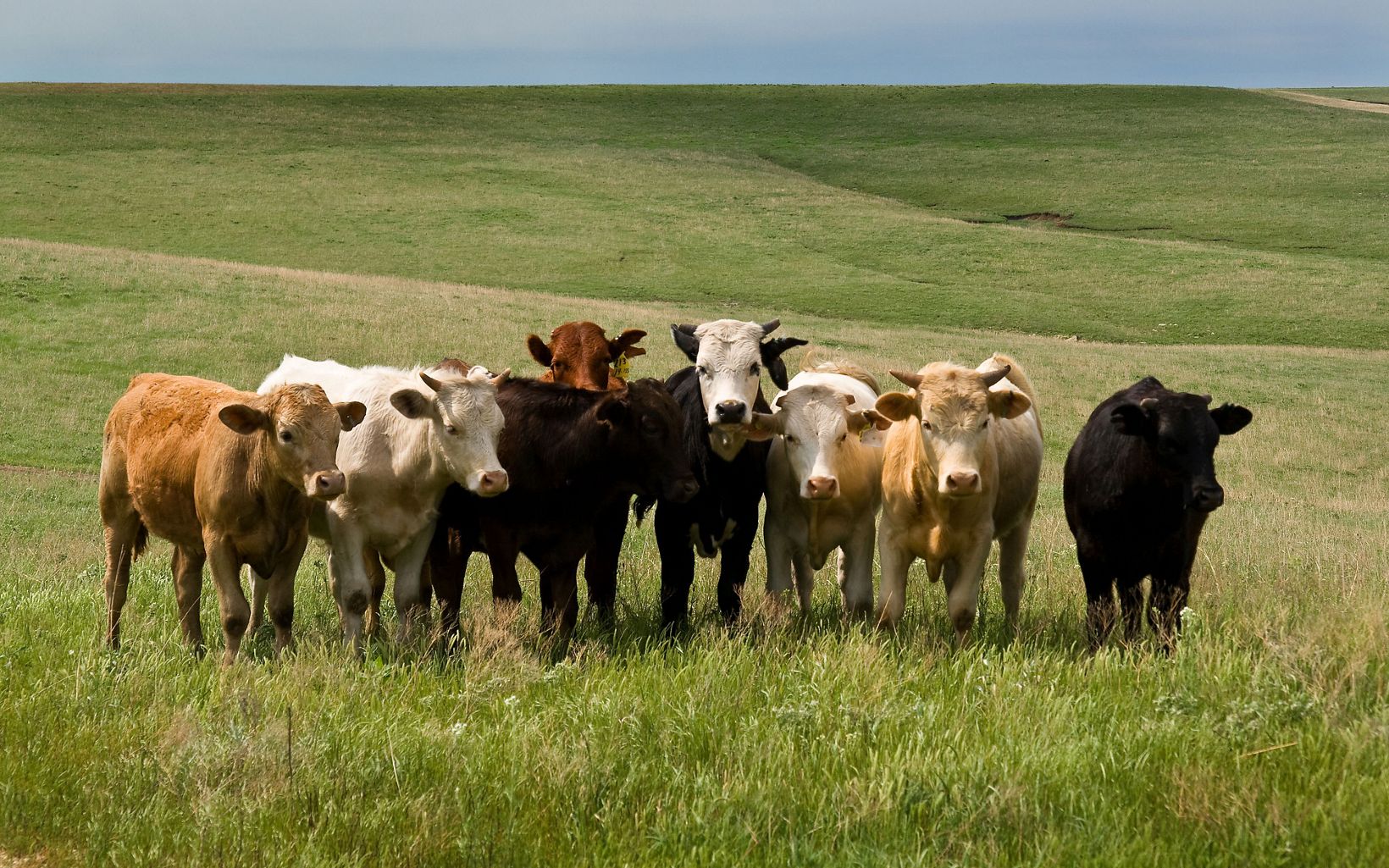
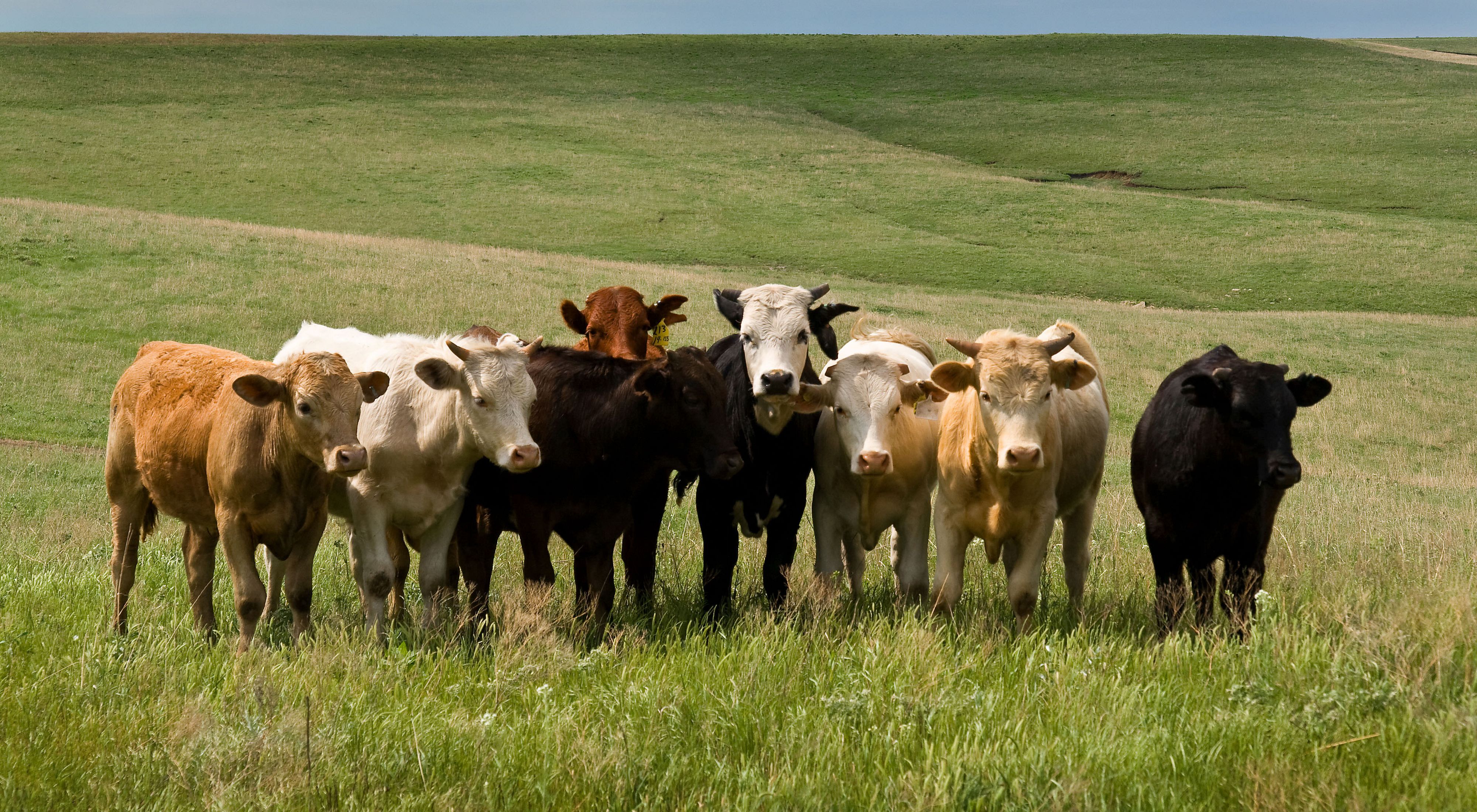
This area was spared from conversion because of rolling hills of limestone, chert (flint) and shale that made the area difficult to farm. The land couldn’t easily be plowed and, when homesteaders soon found that cattle gained weight easily on the rich native grasses, the Flint Hills became known as prime grazing land. Ranching continues to dominate the local economy and is the primary agricultural use of the tallgrass prairie.
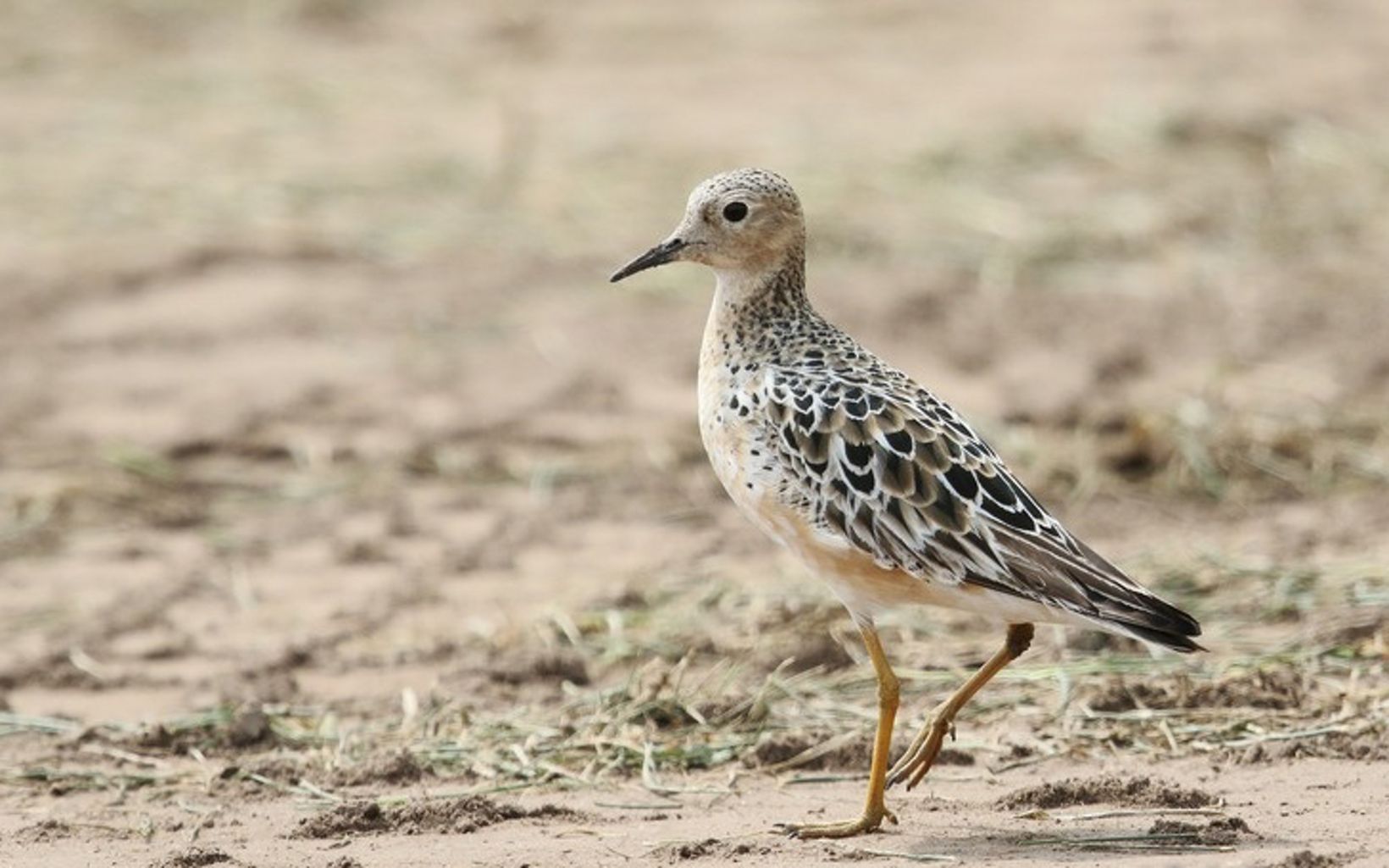
Because the Flint Hills have mostly remained native tallgrass prairie, some of the healthiest streams in Kansas are in the Flint Hills. The Flint Hills are also critical habitat for migrating shorebirds.
Without long-term conservation, the Flint Hills will likely follow the same fate as many other lost natural areas.
That's why The Nature Conservancy is empowering landowners to preserve the land through conservation easements and land management practices that enhance wildlife habitat and protect native plant diversity. We also own several nature preserves in the Flint Hills where we implement and test conservation practices. We then freely share our findings and help others carry out these practices. We are also working to find solutions to the problem of high smoke concentrations during spring burning.
The Nature Conservancy owns four preserves in the Flint Hills that are open to public visitation:
- Konza Biological Research Station (Manhattan, KS)
- Tallgrass Prairie National Preserve (Strong City, KS)
- Flint Hills Tallgrass Prairie Preserve (Cassoday, KS)
- Joseph H. Williams Tallgrass Prairie Preserve (Pawhuska, OK)
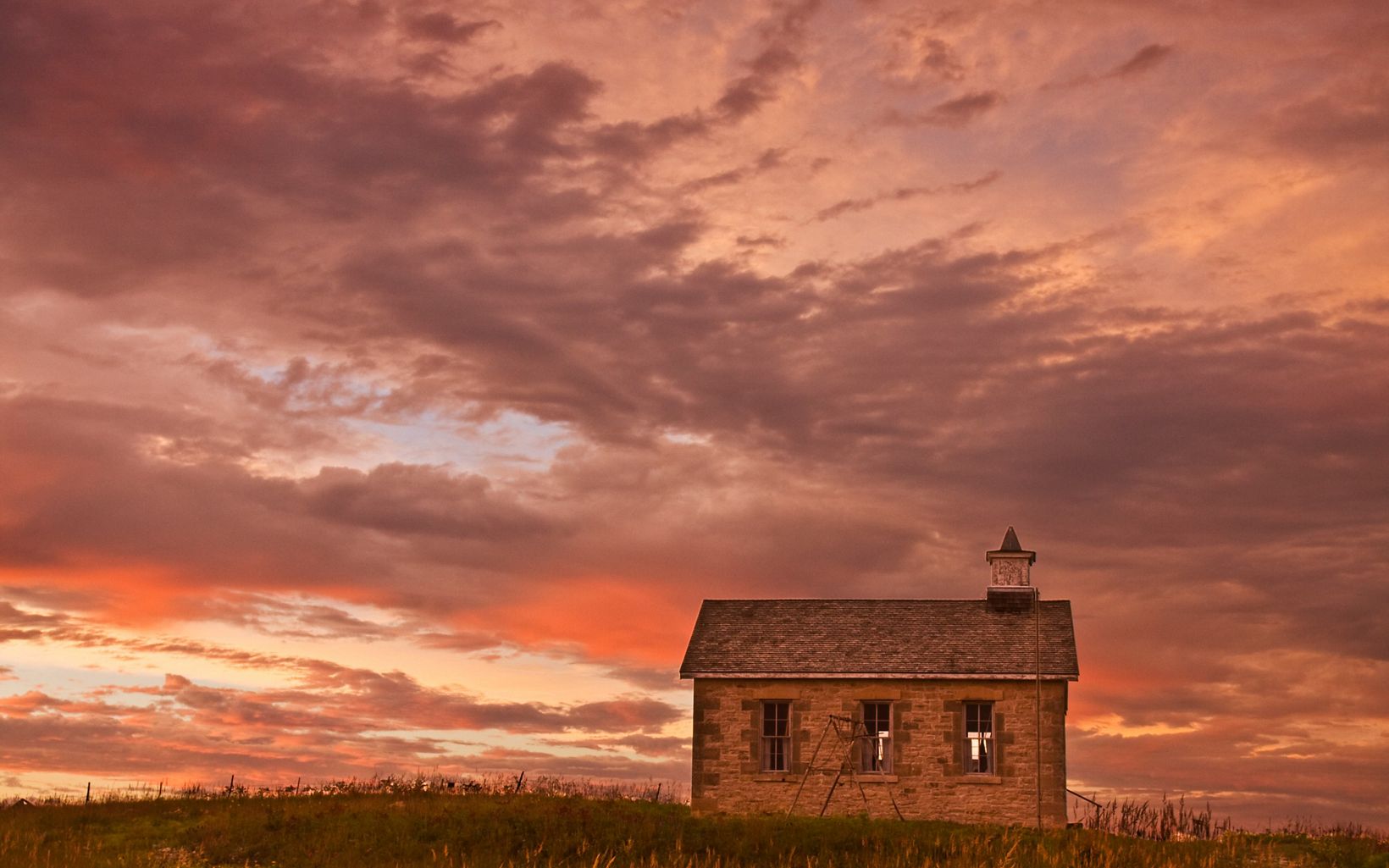
The vast majority of the Flint Hills is privately-owned, but there are many ways visit and take in the incredible views of tallgrass prairie. The Flint Hills National Scenic Byway offers 47-miles of incredible views and small towns with shops, restaurants, historical sites and more. Scenic overlooks on Interstate 35 and Kansas Highway 177 provide a glimpse of a landscape that looks much like it hundreds of years ago.
If you manage land in the Flint Hills and would like information about conservation easements, patch-burn grazing, smoke management, alternate-season burning, controlling sericea lespedza or renewable energy siting, please contact Tony at flinthills@tnc.org.
Related Articles
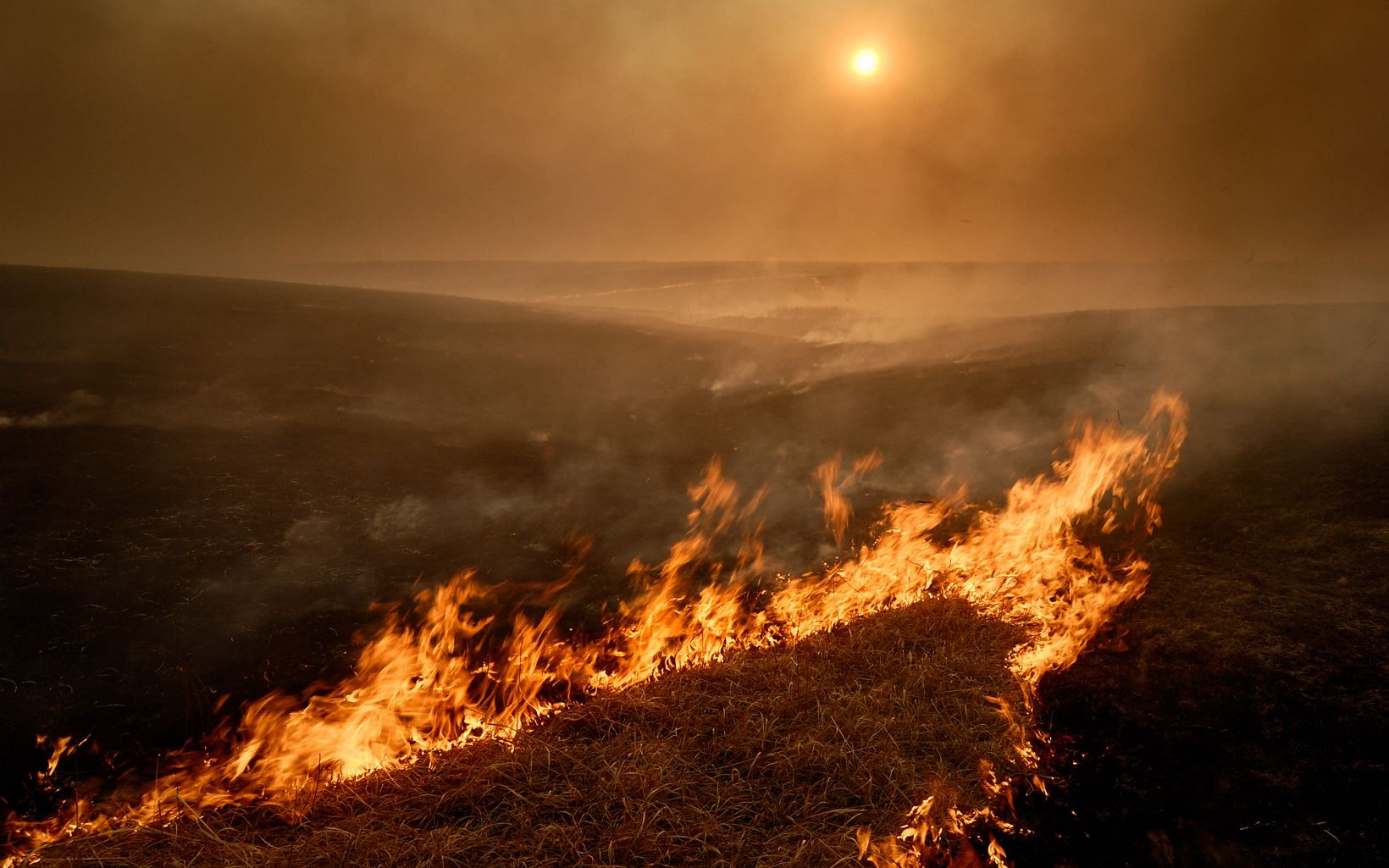
Maintaining Fire’s Natural Role
We work to facilitate the widespread use of prescribed fire as a tool to improve grassland health and grazing production.
Site Renewables Right
To help accelerate the deployment of wind and solar energy in a way that helps people and nature thrive, The Nature Conservancy is providing the award-winning Site Renewables Right map.

Tallgrass Prairie National Preserve
The country's only national park dedicated to the tallgrass prairie is privately owned by The Nature Conservancy.
Take a Closer Look at the Flint Hills