
We're working with you to make a positive impact around the world in more than 35 countries, all 50 United States and your backyard. Support our work
Swamp White Oak is one of the best examples of a swamp white oak savanna, once common in floodplains of the Midwest. These communities host a great diversity of plant and animal species, but are now extremely rare. Most savannas like this one have been either overgrown due to lack of fire and grazing, which changes the forest composition and species, or have been cut down for agricultural purposes. Of those that remain, few are recognized for what they are-an extremely rare type of woodland.
Why You Should Visit
The Swamp White Oak Preserve’s high water table and frequent flooding support one of the best known examples of the globally rare swamp white oak woodland community. Numerous uncommon plant and animal species are present.
Location
Muscatine County, near the Cedar River.
Size
654 acres
Conditions
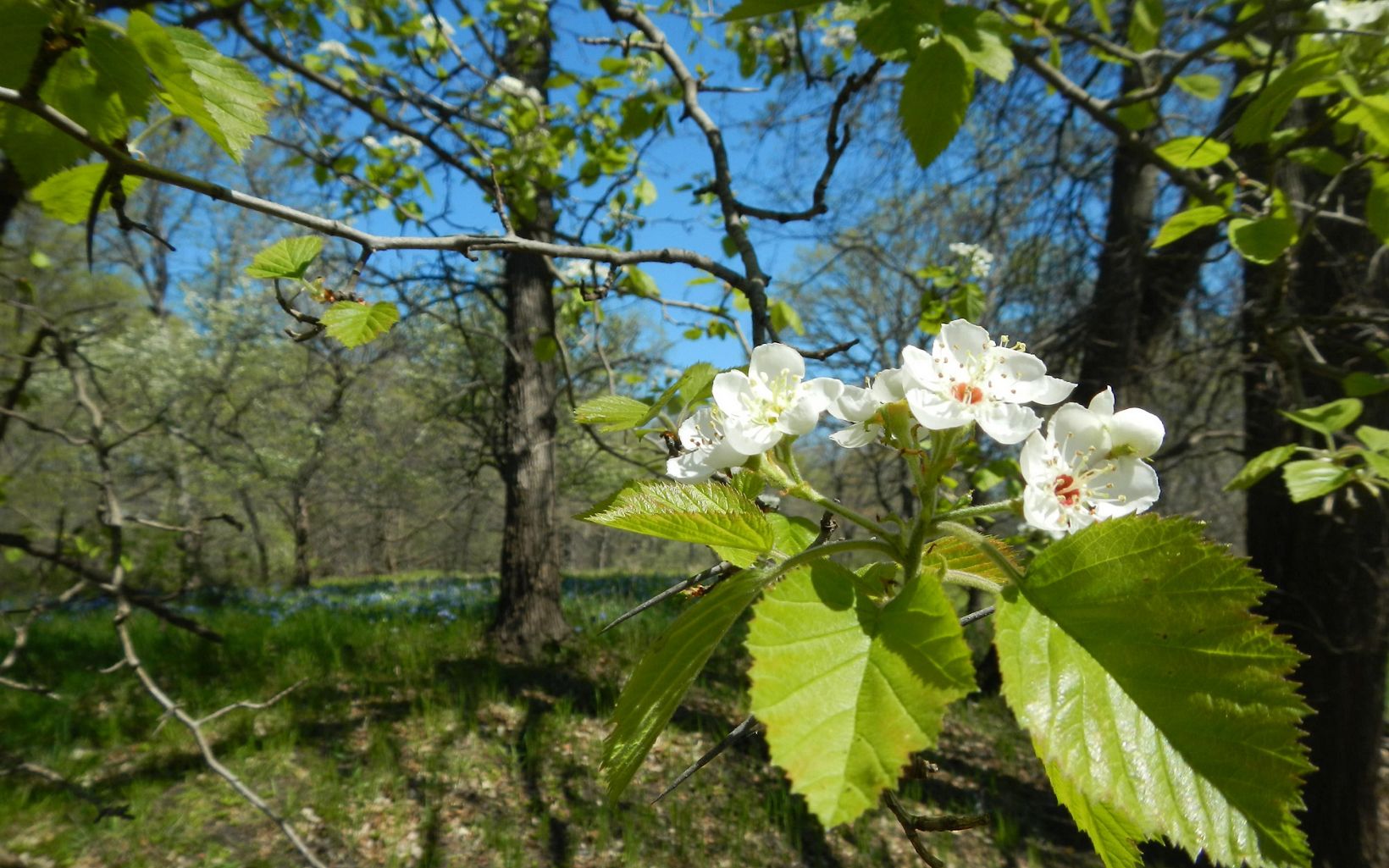
Swamp White Oak Preserve is an open savanna dominated by swamp white oak and bur oak trees. It sits on a low sand terrace along the Cedar River.
Why the Conservancy Selected This Site
The first tract of Swamp White Oak Preserve, located west of Muscatine, was purchased by the Conservancy in 1998. Funding for the acquisition was by the Roy J. Carver Charitable Trust and the Muscatine Prairie Endowment. A second addition in 2008 was purchased and is located just north of the original parcel. This parcel was also supported by the Roy J. Carver Charitable Trust, The Muscatine Prairie Endowment, The Maytag Family Trust, The Howe Foundation, The Alliant Energy Foundation, Jim and Tamara Stein and an anonymous donor.
What the Conservancy Has Done/Is Doing
Prescribed fire is being reintroduced as a management tool and control measures are underway to halt the encroachment of undesirable trees and brush. Clearing of ‘weedy’ trees and treatment of reed canary grass outbreaks has recently occurred with a grant from the National Fish and Wildlife Foundation’s Upper Mississippi River Watershed Fund. A kiosk, donated by the Bernard and Jennifer Knorr Honorarium, is being constructed on the site to keep people updated about ongoing efforts at the preserve and in the region.
What to See: Plants
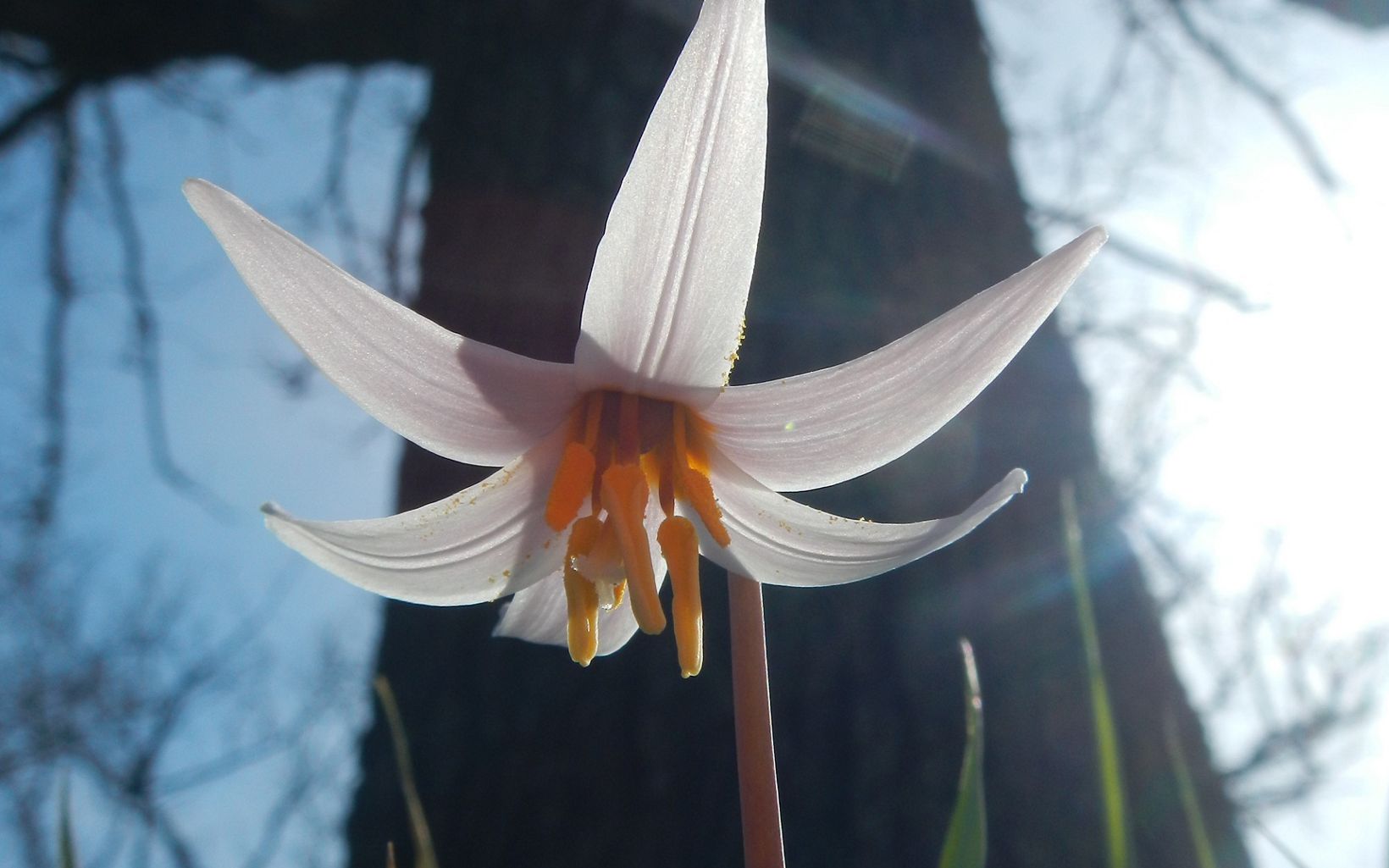
The preserve’s plant life is dominated by the complex interactions of the plentiful swamp white oaks with a diverse sedge-dominated understory. The plant communities range from sand prairie with wild petunias and leatherleaf to wetlands with blueflag iris and water crowfoot, to wooded areas with bloodroot, green dragon, bluebells and trout lily. More than 320 plant species have been documented at the preserve, but some estimates suggest that as many as 500 species may be present.
What to See: Animals
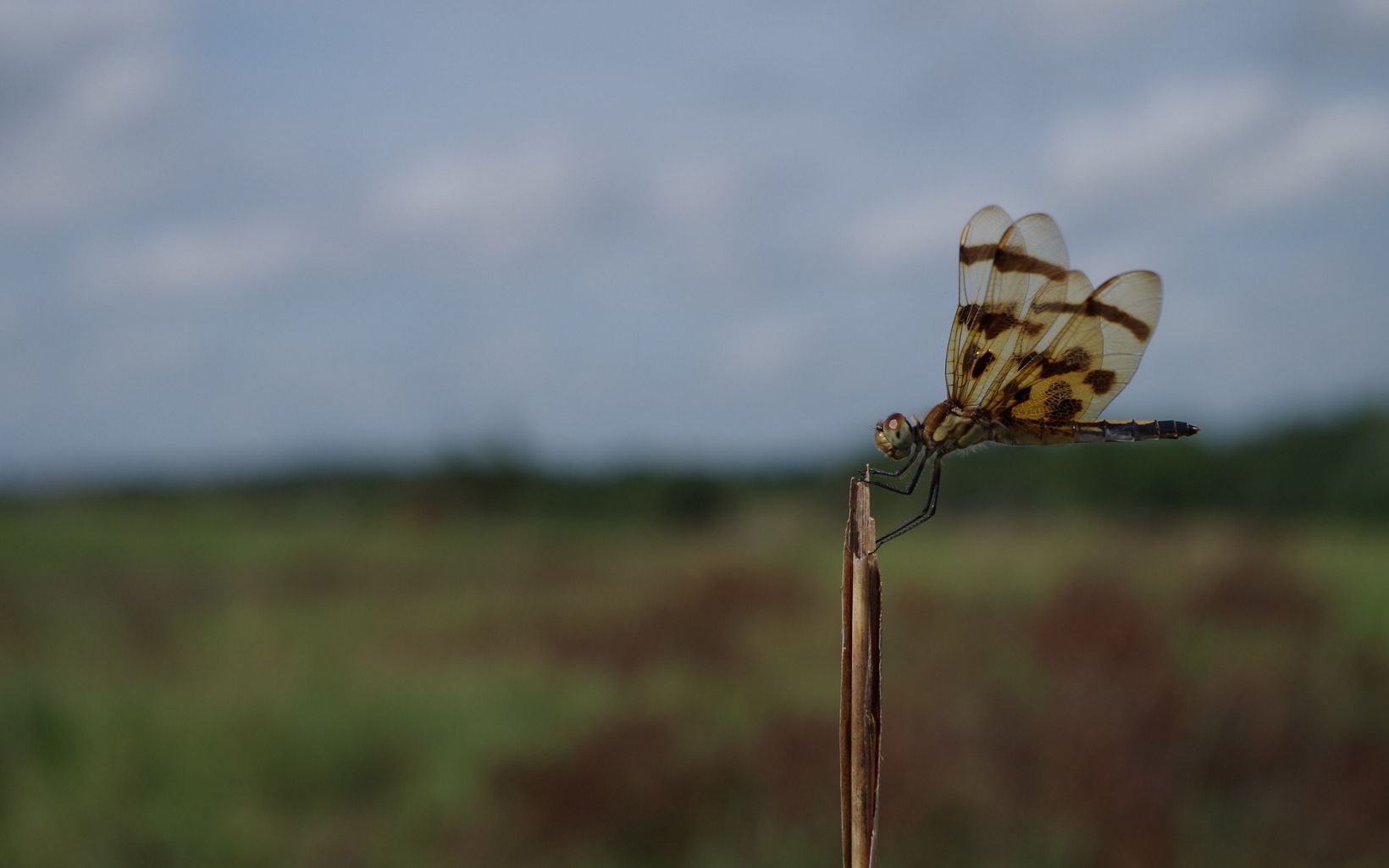
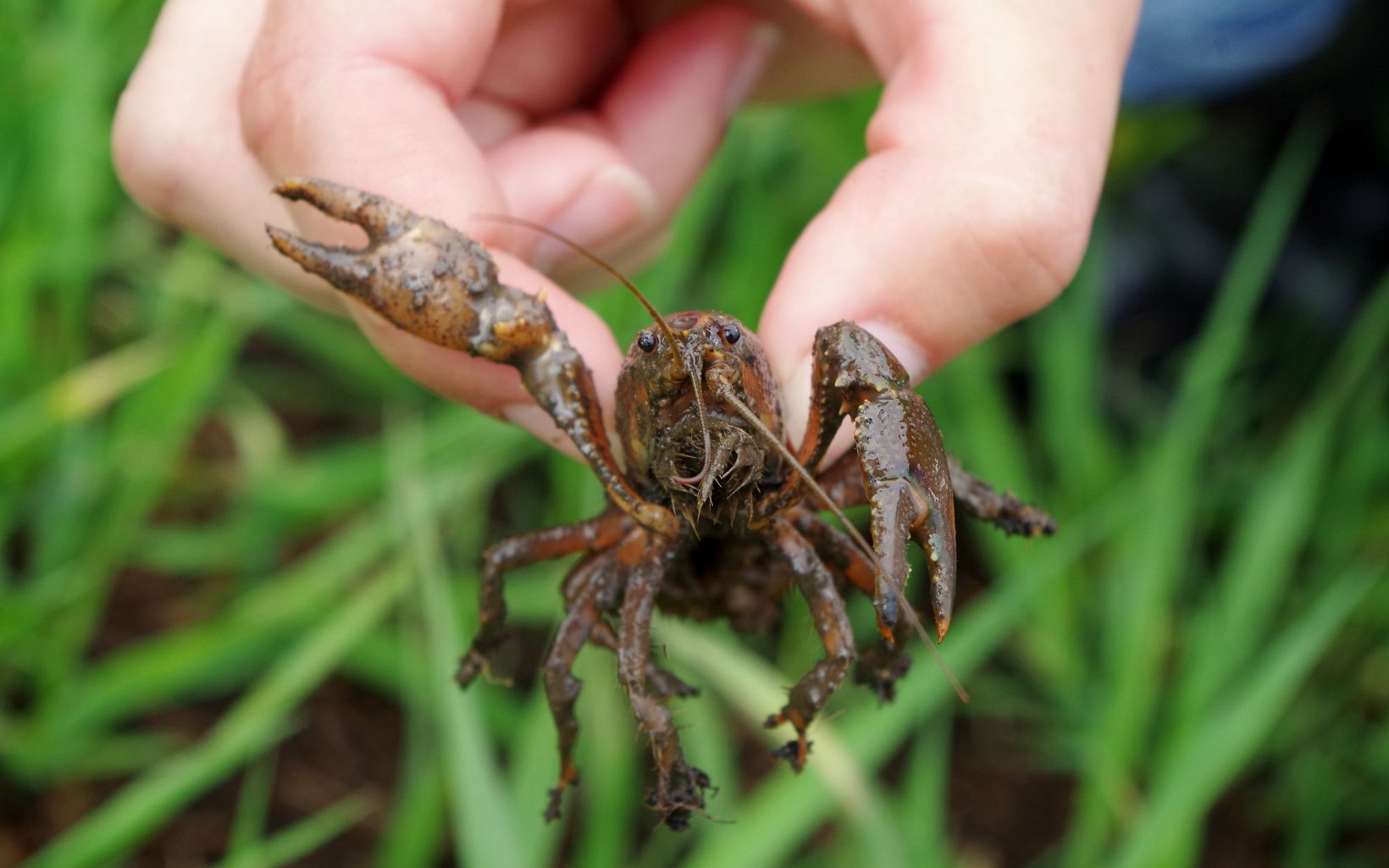
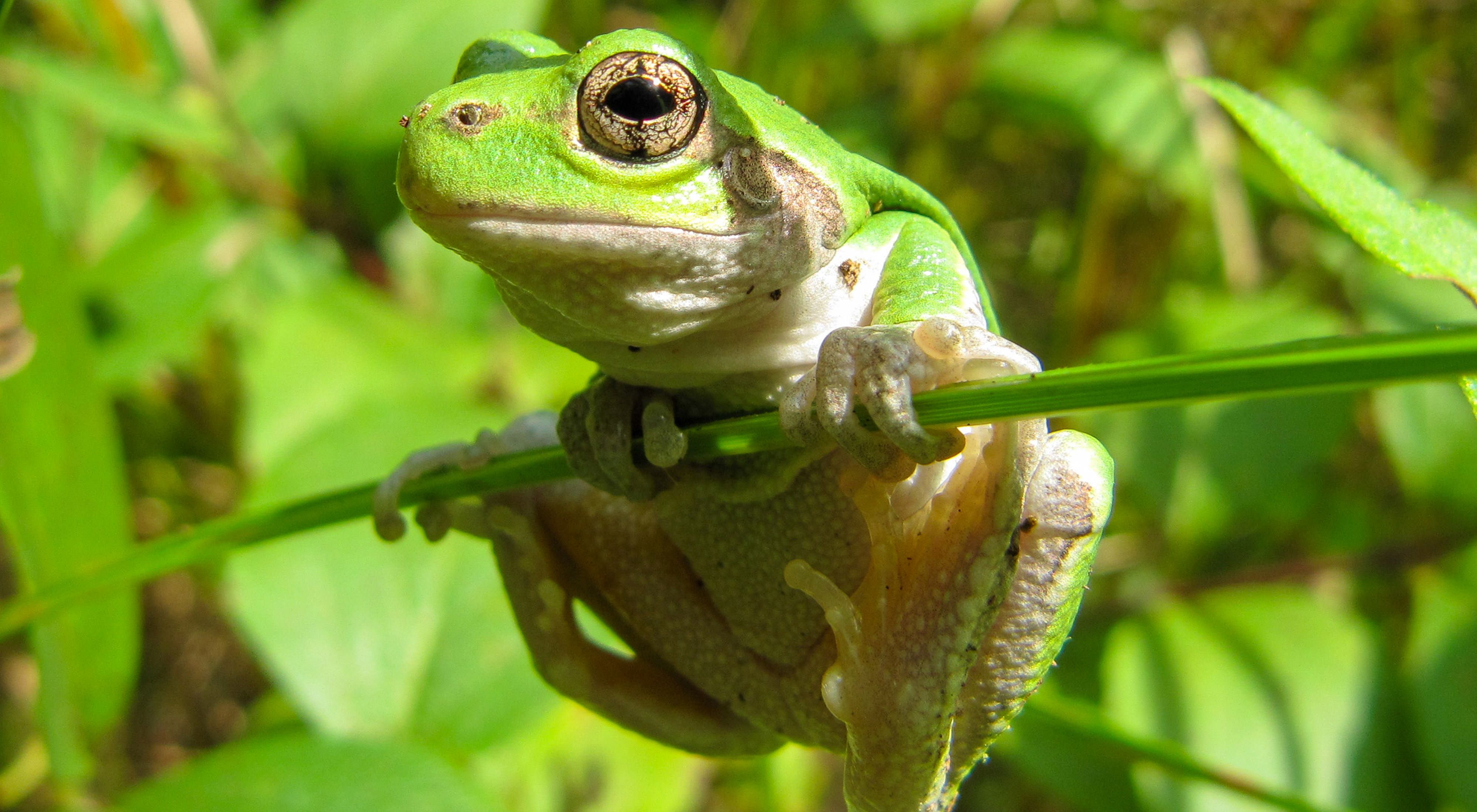
The diverse wetlands, sedge-dominated woodlands and dry sand prairie ridges support an array of amphibians and reptiles, including the stinkpot turtle, smallmouth salamander, central newt and massasauga rattlesnake. Birds include the prothonotary warblers, cerulean warblers, sandhill cranes and red-shouldered hawks.
Preserve Visitation Guidelines
From Iowa City, from the intersection of I-80 and US Hwy 218 (just west of Iowa City):
Go south 16.3 miles on Hwy 218 to State Hwy 22
Go east 13.2 miles on Hwy 22 to State Hwy 70 (east part of Nichols)
Go south 6.2 miles on Hwy 70 to County Hwy G28
Go east 2.4 miles on Hwy G28
Cross two bridges; the access drive and gate to the preserve is immediately past (east) the second bridge on the north side of the road
From Muscatine, at the intersection of State Hwy 38 and the US Hwy 61 bypass (north edge of Muscatine):
Go west and then south 5.4 miles on the bypass to County Hwy G28 junction
Turn right (west) onto County G28 and go west 11.5 miles (about 0.8 miles past the Cedar River
The access drive and gate to the preserve is immediately before a bridge on the north side of the road.
Have you been to this preserve? Are you thinking of visiting? See what others are saying about their experiences and add your comments below.
Time for you to join the discussion. Tell us about your experience at this preserve. What plants and animals did you see? When did you go? You can help others plan their visit when you share your thoughts. And thank you for visiting one of our nature preserves!
Whether scary or exciting, nature has a way of sneaking up on you. See stories
Hear some of nature's success stories and see how nature matters to us all. Watch videos