

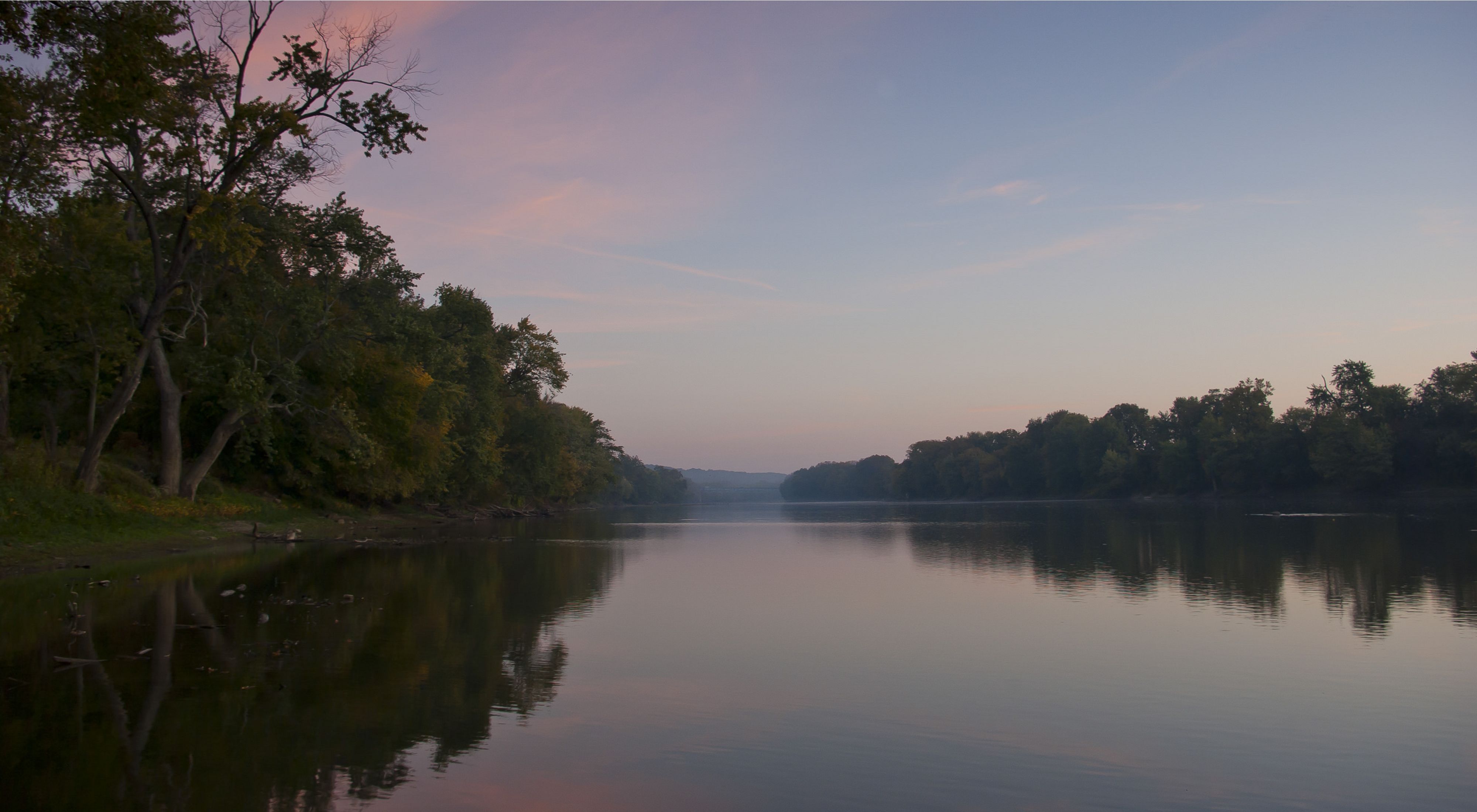
Journey with Nature: Watersheds 101
We all live in a watershed. But what is a watershed, and what is its place in our community?
A watershed is an area of land that drains rain water or snow into one location such as a stream, lake or wetland. These water bodies supply our drinking water, water for agriculture and manufacturing, offer opportunities for recreation (canoeing and fishing, anyone?) and provide habitat to numerous plants and animals. Unfortunately various forms of pollution, including runoff and erosion, can interfere with the health of the watershed. Therefore, it is important to protect the quality of our watershed.
Why Do We Need Healthy Watersheds?
Watersheds sustain life, in more ways than one. According to the Environmental Protection Agency, more than $450 billion in foods, fiber, manufactured goods and tourism depend on clean, healthy watersheds. That is why proper watershed protection is necessary to you and your community.
Watershed protection is a means of protecting a lake, river, or stream by managing the entire watershed that drains into it. Clean, healthy watersheds depend on an informed public to make the right decisions when it comes to the environment and actions made by the community.
Why We Need to Protect Our Watersheds
Earth is covered in 70% water and unfortunately 40-50% of our nation's waters are impaired or threatened. "Impaired" means that the water body does not support one or more of its intended uses. This could mean that the water is not suitable to drink, swim in or to consume the fish that was caught there.
The leading causes of pollution in our waterways are sediments, bacteria (such as E. coli) and excess nutrients (such as nitrogen and phosphorus). Although nutrients sound like things that belong in a healthy environment, they can cause big problems in a poorly managed watershed. For instance, sediment can suffocate fish by clogging their gills and the presence of bacteria alone can indicate that other viruses and germs can be found in the water as well. Erosion, runoff of animal waste and overflowing of combined sewers are just a few ways these pollutants reach our waters.
According to the an assessment of Indiana's waterways (2010), the state's top causes of impairment in streams and rivers are pathogens; polychlorinated biphenyl; and mercury. In ponds and reservoirs, by mercury, exotic species and algae growth cause impairments. Atrazine, an herbicide used in 80% of Indiana's cornfields, is also a major cause of concern as is E.coli, a bacterium that can cause intestinal and extra-intestinal infections.
What The Nature Conservancy in Indiana is Doing
Throughout the years, The Nature Conservancy in Indiana has done tremendous work to protect and maintain the health of watersheds throughout the state. Whether it's protecting rare mussel species at Fish Creek, the restoration of Maumee River or purchasing land around the Lost River cave system, the organization stays true to their mission of preserving plants, animals and natural communities by protecting the lands and waters they need to survive.
Three Nature Conservancy project offices in the state work around major watersheds: Blue River, Tippecanoe River and Upper St. Joseph River. These locations were selected due to their unique and valuable biology. Each area homes endangered and threatened species as well as a source of drinking water or waters used for recreational activities such as fishing and swimming.
The Nature Conservancy does not work alone but elicits help from environmental partners and those living in the area. Tree plantings to prevent sedimentation and erosion, preventing unsustainable logging, encouraging no-till practices in agriculture and fencing livestock (and their waste runoff) away from water sources are just a few ways the Conservancy and its partners protect our watersheds.
What You Can do to Help
The EPA offers their tips on how you can help keep your watershed clean and healthy.
- Conserve water every day. Take shorter showers, fix leaks & turn off the water when not in use.
- Don’t pour toxic household chemicals down the drain; take them to a hazardous waste center.
- Use hardy plants that require little or no watering, fertilizers or pesticides in your yard.
- Do not over apply fertilizers. Consider using organic or slow release fertilizers instead.
- Recycle yard waste in a compost pile & use a mulching mower.
- Use surfaces like wood, brick or gravel for decks & walkways; allows rain to soak in & not run off.
- Never pour used oil or antifreeze into the storm drain or the street.
- Pick up after your dog, and dispose of the waste in the toilet or the trash.
- Drive less—walk or bike; many pollutants in our waters come from car exhaust and car leaks.
- Adopt your watershed- see below for details.
You Can Help!
Take a clean water pledge with the Clear Choices Clean Water program! Clear Choices Clean Water increases awareness about choices we make and the impact they have on our streams and lakes. Individuals, adults and kids, are encouraged to pledge to either start, or continue, good behaviors that make a difference for water quality and for water conservation.