
We're working with you to make a positive impact around the world in more than 35 countries, all 50 United States and your backyard. Support our work
Yes
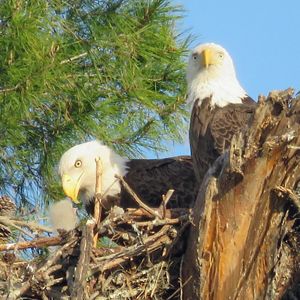
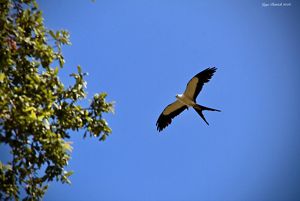
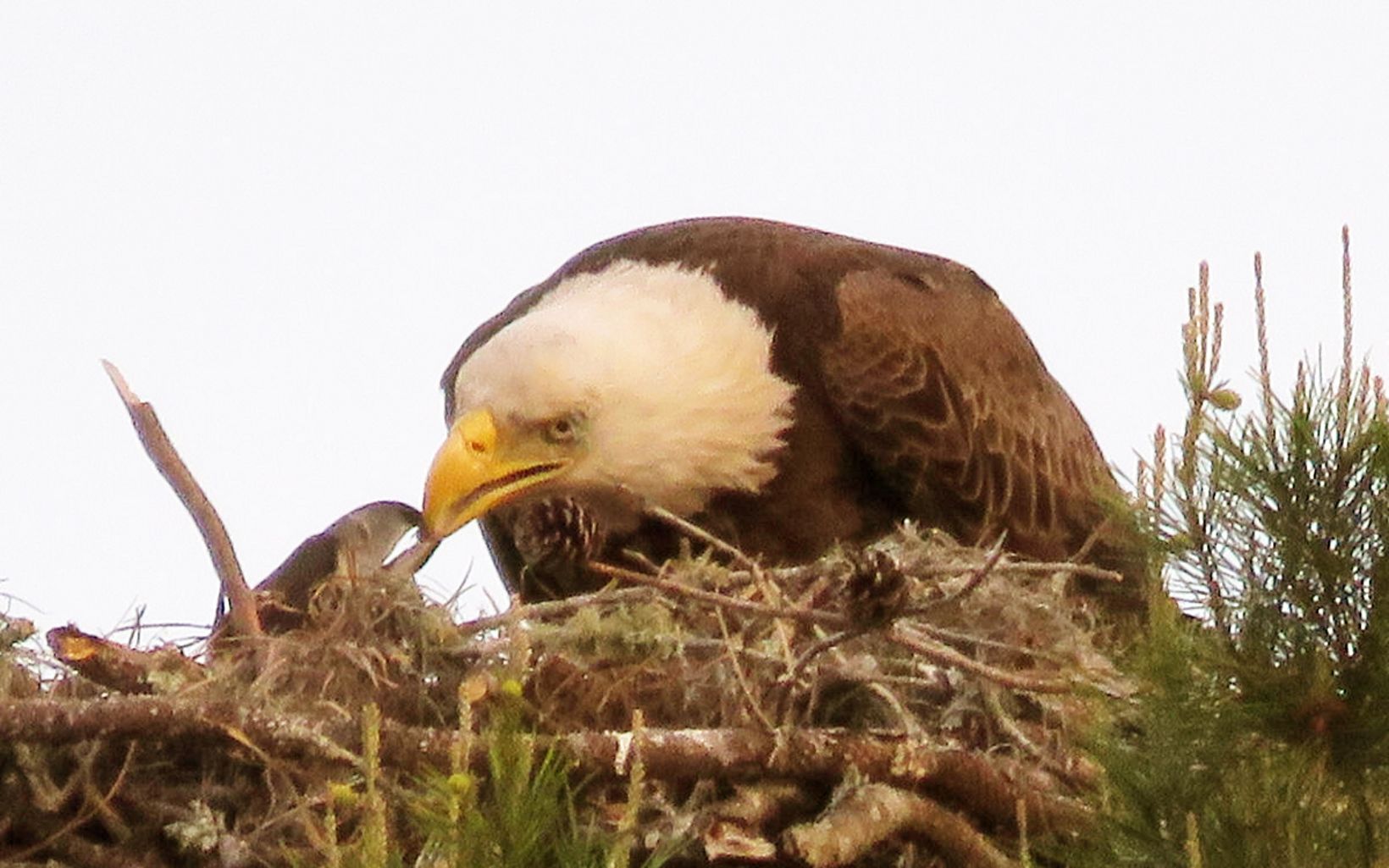
Visitors might spot a bald eagle, swallow-tailed kite or red-tailed hawk flying overhead. View All
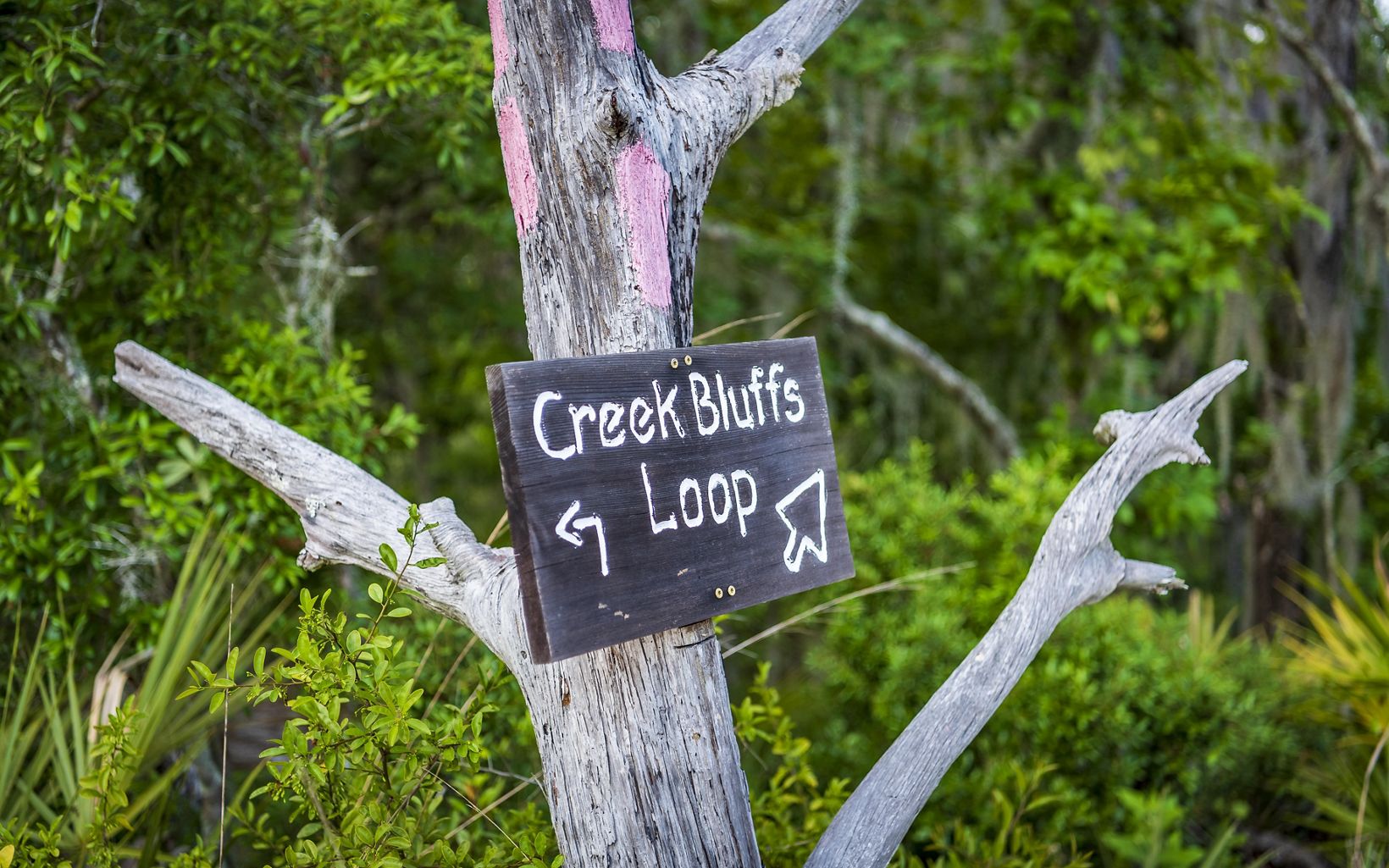
Explore Tiger Creek's hiking trails. View All
Tiger Creek Preserve is a place of mystery and contrasts. It sits on the eastern edge of the Lake Wales Ridge, one of Florida’s “ancient islands.” Separated from the mainland long ago by a shallow sea, the Ridge is peninsular Florida’s oldest and highest landmass.
Visitors who get up close and watch very carefully will see one of the highest concentrations of threatened and endangered plants and animals in the country. Some exist nowhere else on Earth! Will you help us protect them?
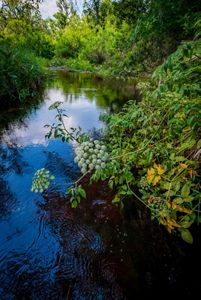
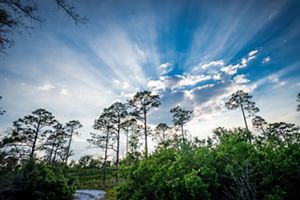
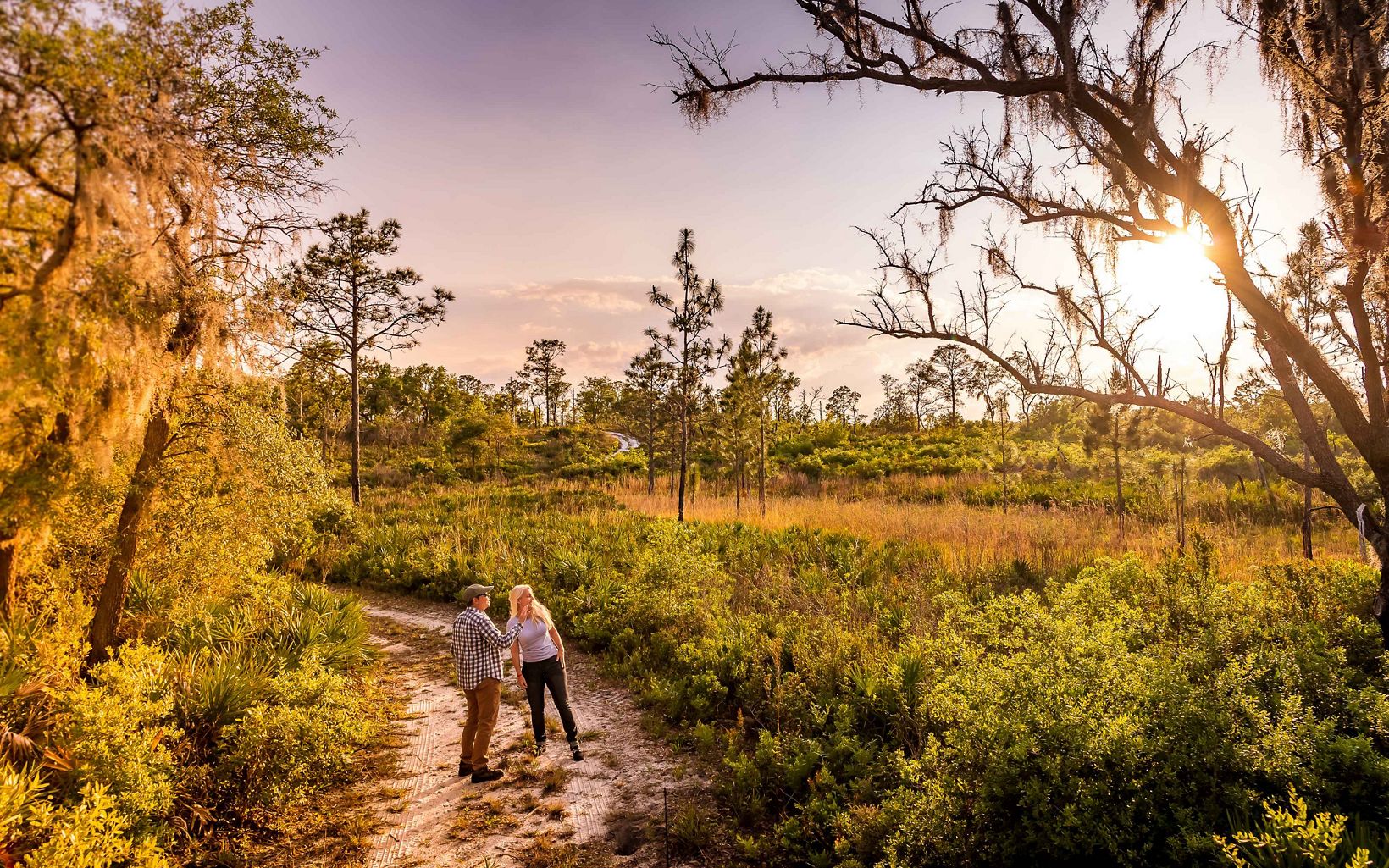
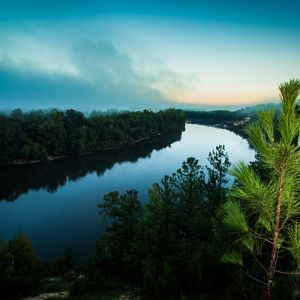
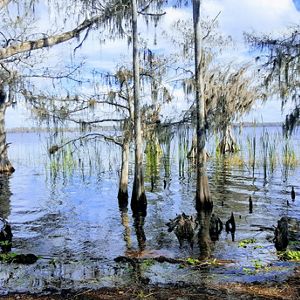
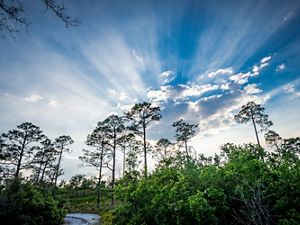
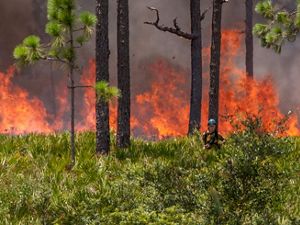
Named after the pristine blackwater stream that forms its spine, the preserve contains hardwood swamps, hammocks, scrubby flatwoods, pine flatwoods, sandhill and longleaf pine/wiregrass habitat. It’s a land that must be burned in order to survive, and one where some animals literally swim through ancient white sands.
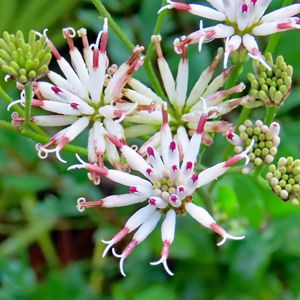
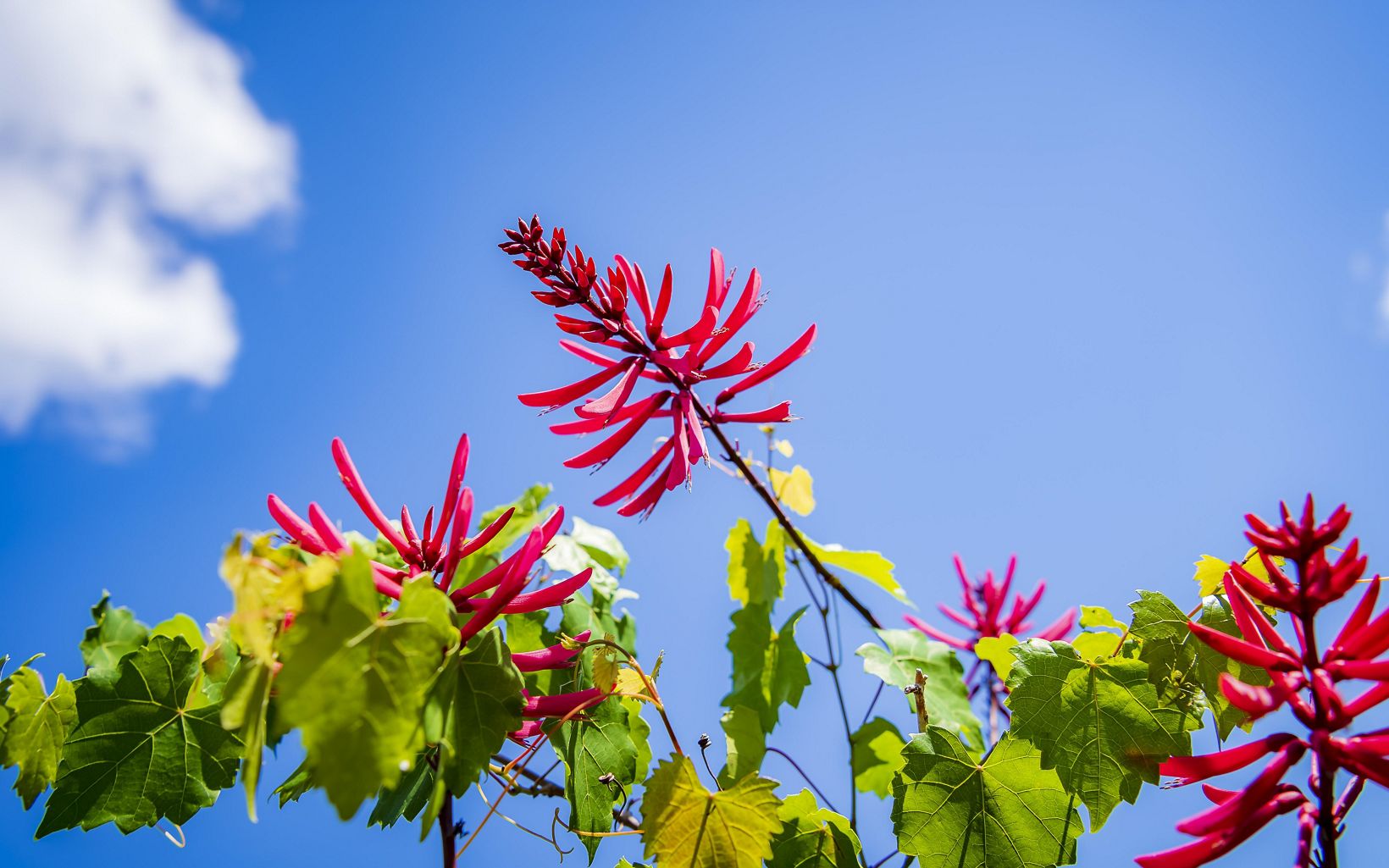
View a Natural Events calendar to see when you may catch a glimpse of some of these rare species; enjoy seasonal wildflowers and blooming grasses; or anticipate the return of the swallow-tailed kite.
Central Florida, just south of Lake Wales
The preserve is open to the public during daylight hours.
4,869 acres
For more information about visiting or volunteering, contact the preserve office at (863) 635-7506.
Tiger Creek Preserve is a critical link in a network of preserves designed to protect what is left of the Lakes Wales Ridge ecosystem. The oldest physical feature of peninsular Florida, the Ridge is a national hotspot of biological diversity and Tiger Creek Preserve is home to fascinating species. The preserve’s sandy soil also serves a critical role in water recharge.
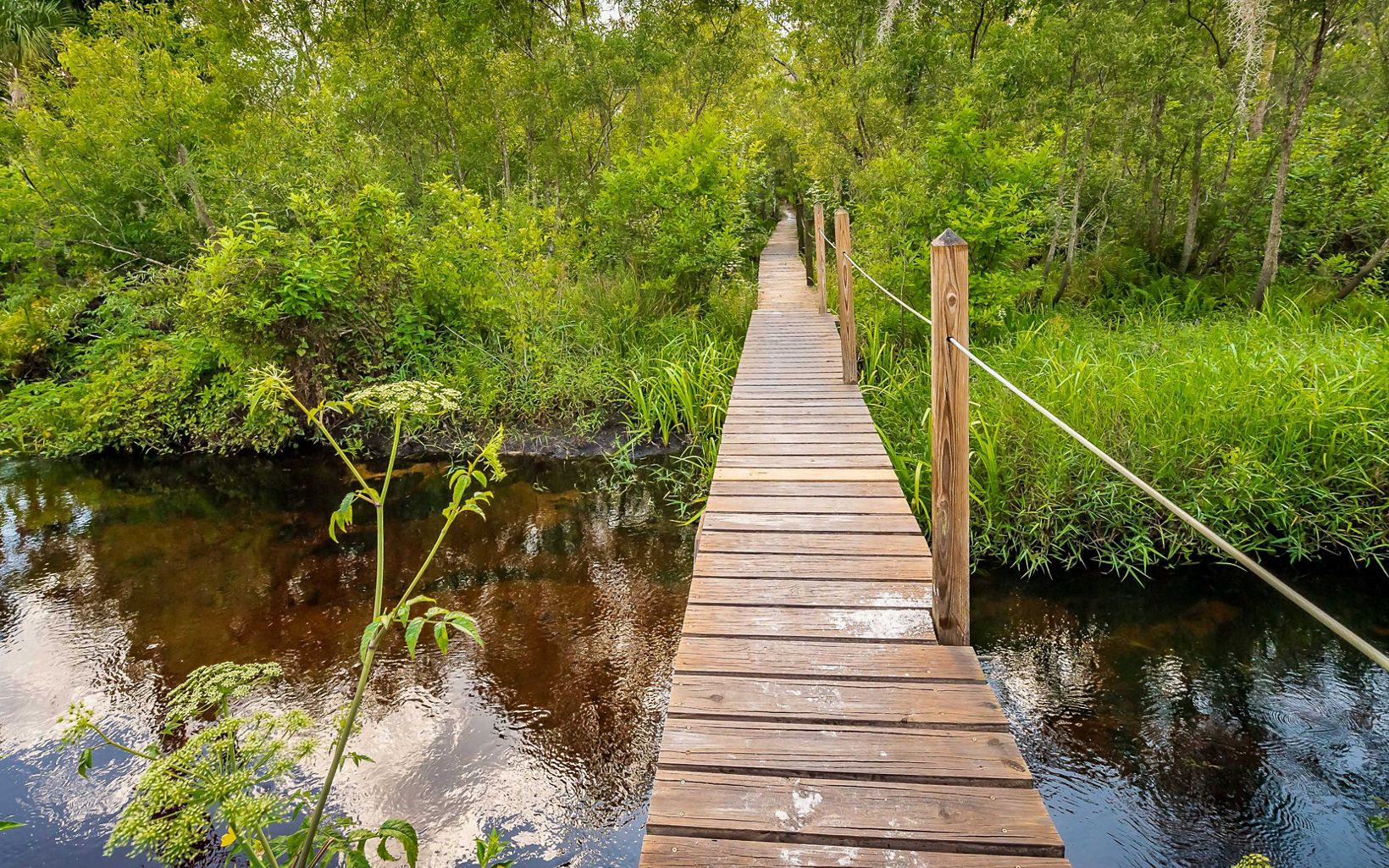
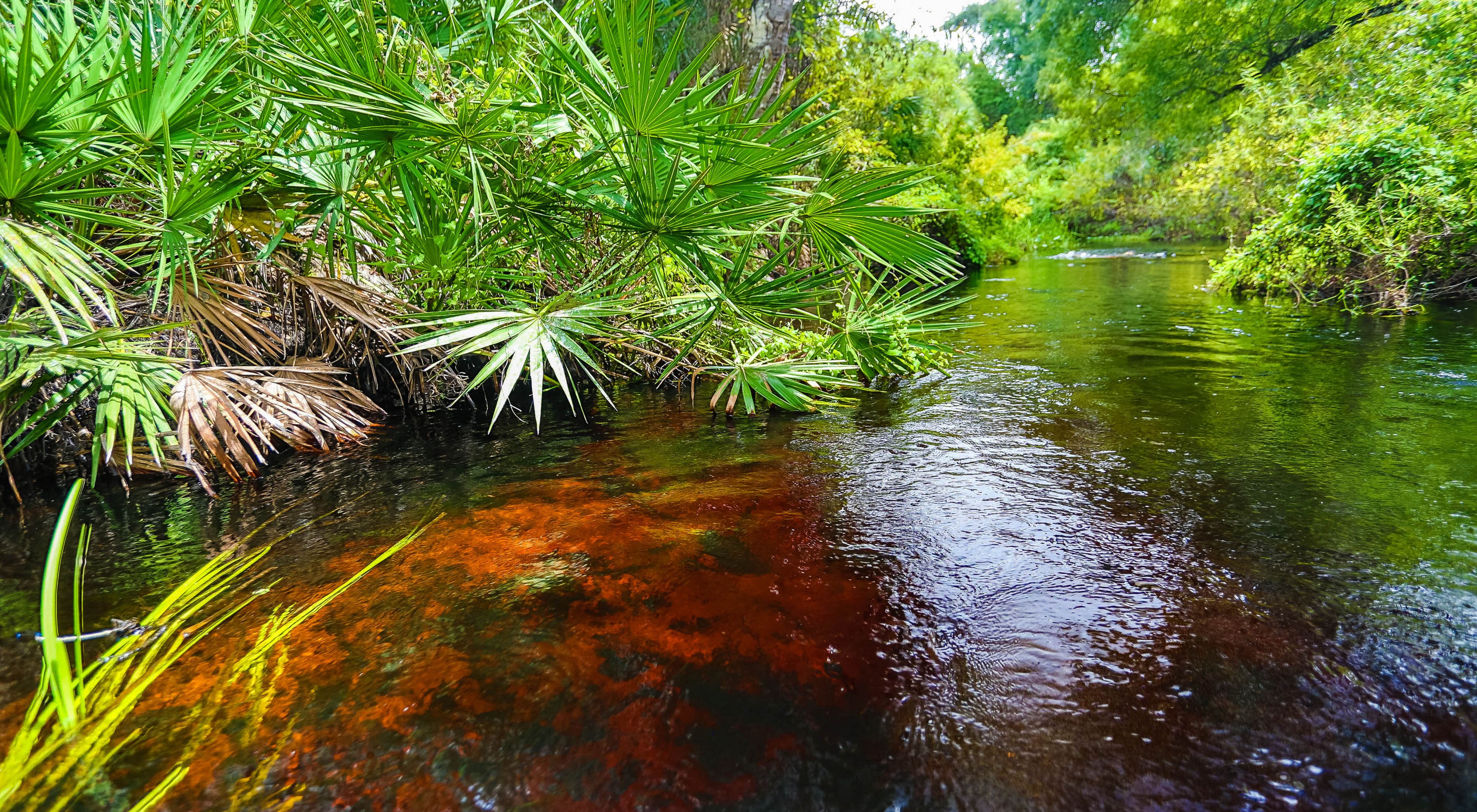
Tiger Creek itself is a high-quality, seepage blackwater stream. A seepage stream gets its water from the surrounding uplands; the blackwater comes from the leaching of tannins from falling vegetation. Only two or three such streams with an intact hardwood floodplain exist in Florida.
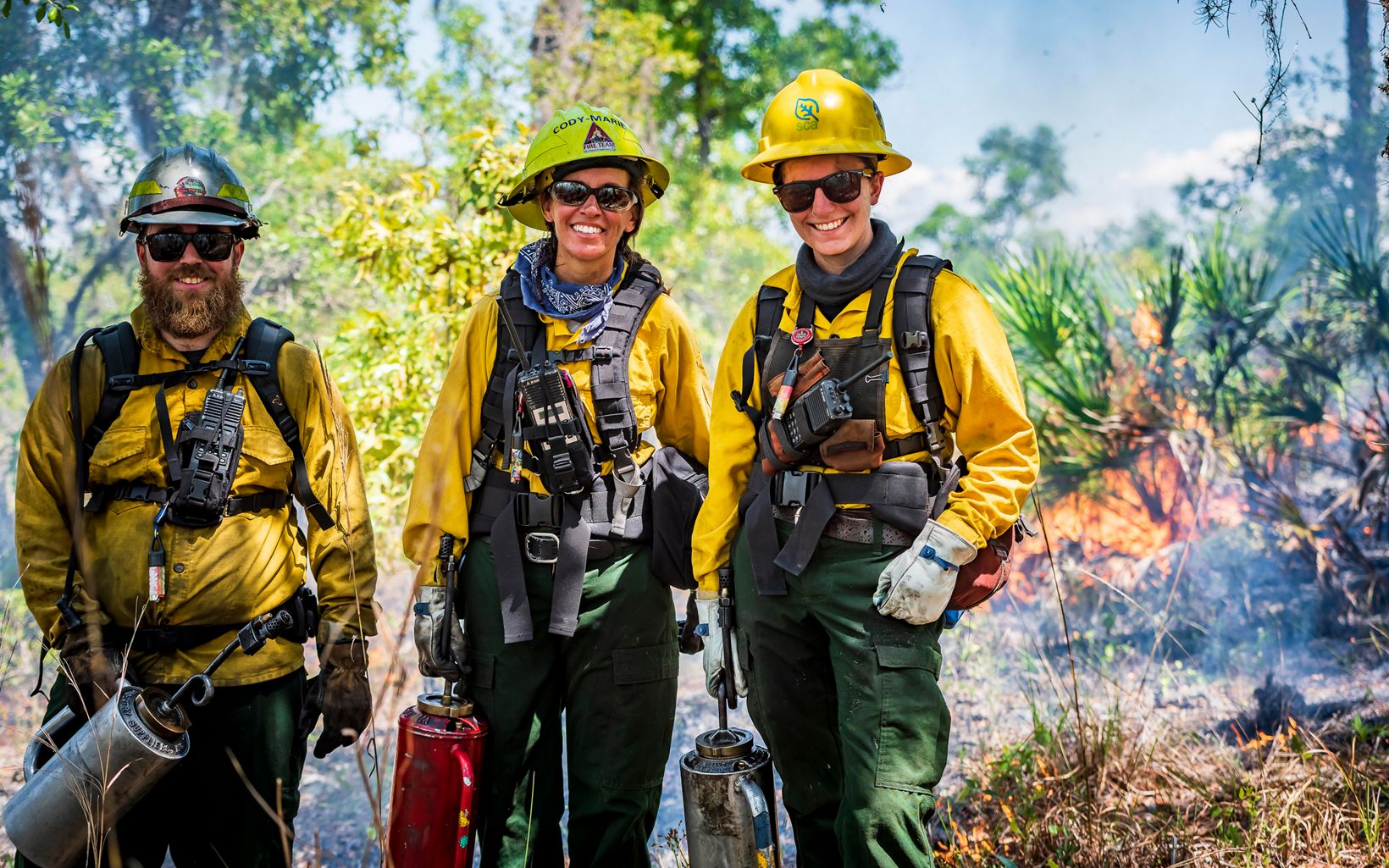
The Conservancy has protected almost the entire course of Tiger Creek. We carefully maintain and improve habitat for the preserve’s many rare species, especially with prescribed burns and invasive species removal.
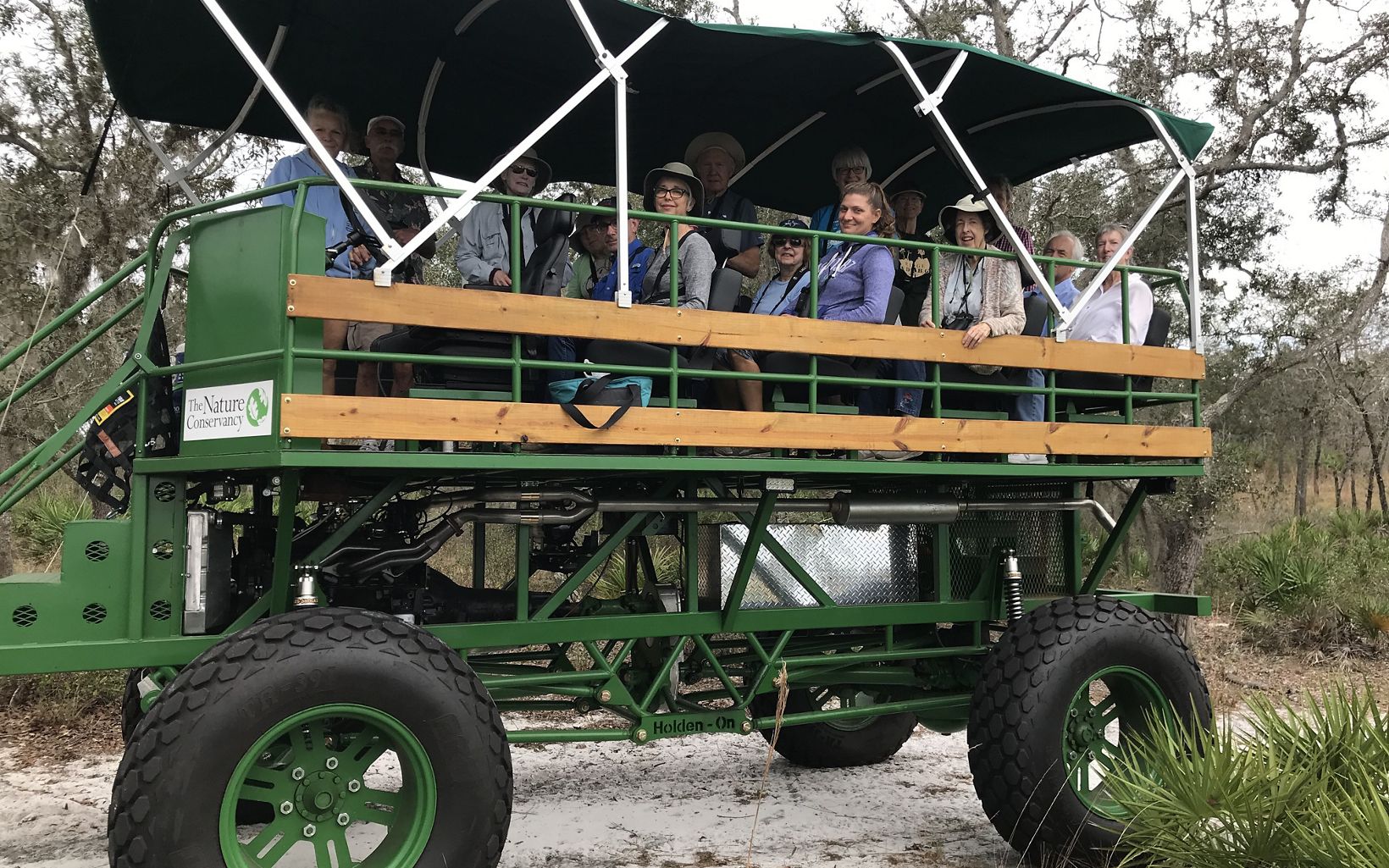
Through species and hydrological monitoring, the Conservancy provides critical feedback to land managers all along the Ridge. Visitors can learn to live safely in Florida’s flammable landscape at Tiger Creek Center, which provides a demonstration of “Firewise” construction and landscaping practices.
Tracking Florida black bears is helping to make better conservation decisions in Central Florida.
Florida's Fire-Dependent Plants and Animals
Many of Florida’s native plants and animals depend on fire
Tiger Creek Preserve is on one of Florida's "ancient islands."
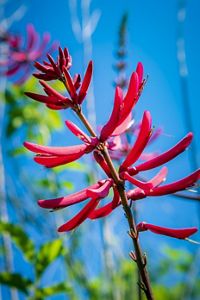
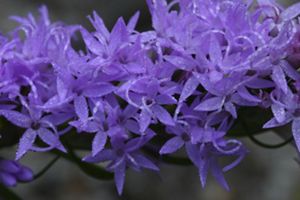
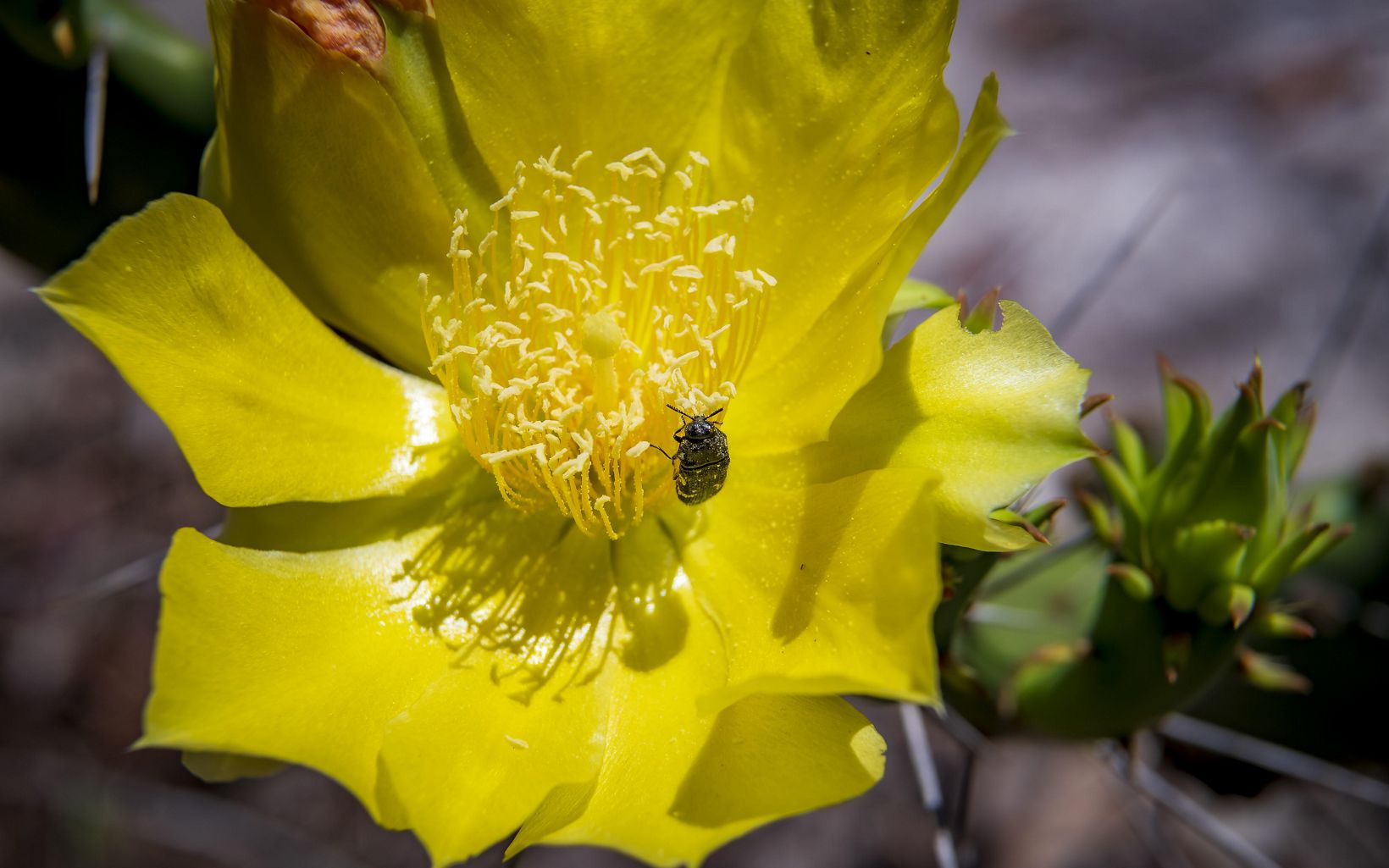
An array of extremely rare plants includes the scrub plum, pygmy fringe tree, Lewton’s polygala, scrub ziziphus and Carter’s mustard. View a slideshow to preview some of the most fascinating plants on Earth. Tiger Creek shelters10 plants that are federally listed as threatened or endangered; four are found only on the Lake Wales Ridge.
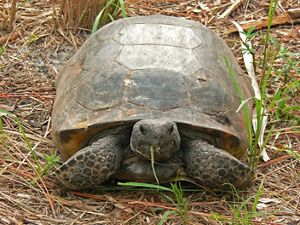
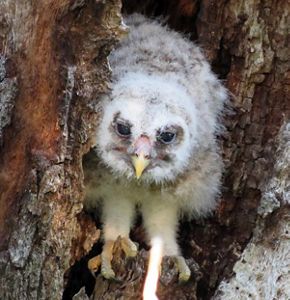
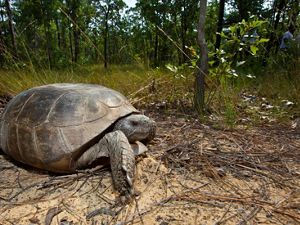
Visitors might spot a bald eagle, swallow-tailed kite or red-tailed hawk flying overhead. The preserve is also home to the sand skink, gopher tortoise, Florida mouse, indigo snake and gopher frog.
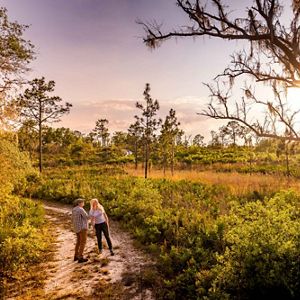
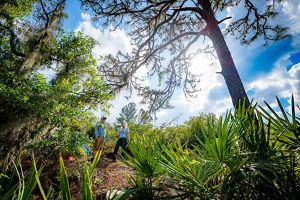
Two hiking trails are open to the public:
Only foot travel is permitted, and guests are asked to stay on the marked trails. To protect the preserve’s rare plants and animals, the following are not allowed: pets, smoking, littering, camping, collecting, firearms, fires, hunting and radios. Visitors should bring drinking water. Please – leave dogs at home.
From the North on State Highway 27:
Go approximately four miles south of the intersection with Highway 60 in Lake Wales. Turn left onto County Road 640 (at the stoplight, look for a sign for Babson Park and Webber College; Fatboy's BBQ is on the corner.) Go 2 miles to SR 17 (Scenic Highway) and turn right. Go through Babson Park. At the top of the hill, turn left at N. Lake Moody Road. At the stop sign, turn left onto Murray Road. Go 2 miles and take a left onto Pfundstein Road. The George Cooley Trail is 100 yards on the left. To visit the Highlands Trail, continue on Pfundstein Road and turn left at The Nature Conservancy sign. There is a Hiker Parking area just ahead on the right. If you wish to visit the office, take the gravel drive past the “Hiker Parking” sign. Go through the open gate to a “Visitor Parking” sign. Keep left for parking.
From the South on State Highway 27:
Travel four miles north of Avon Park to State Road 17 (Scenic Highway). Turn right at the stoplight and take S.R. 17 through the little town of Frostproof, around Lake Moody and up the hill. At the top of the hill, turn right at Murray Road. Go 2 miles and take a left onto Pfundstein Road. The George Cooley Trail is 100 yards on the left. To visit the Highlands Trail, continue on Pfundstein Road and turn left at The Nature Conservancy sign. There is a Hiker Parking area just ahead on the right. If you wish to visit the office, take the gravel drive past the “Hiker Parking” sign. Go through the open gate to a “Visitor Parking” sign. Keep left for parking.
Have you been to this preserve? Are you thinking of visiting? See what others are saying about their experiences and add your comments below.
Time for you to join the discussion. Tell us about your experience at this preserve. What plants and animals did you see? When did you go? You can help others plan their visit when you share your thoughts. And thank you for visiting one of our nature preserves!
Whether scary or exciting, nature has a way of sneaking up on you. See stories
Hear some of nature's success stories and see how nature matters to us all. Watch videos