

Colorado

High Creek Fen Preserve

Open to the Public

Yes

Things To Do

Bird and wildflower watching, hiking, camping and other nature-based activities.

View All

Plan Your Visit

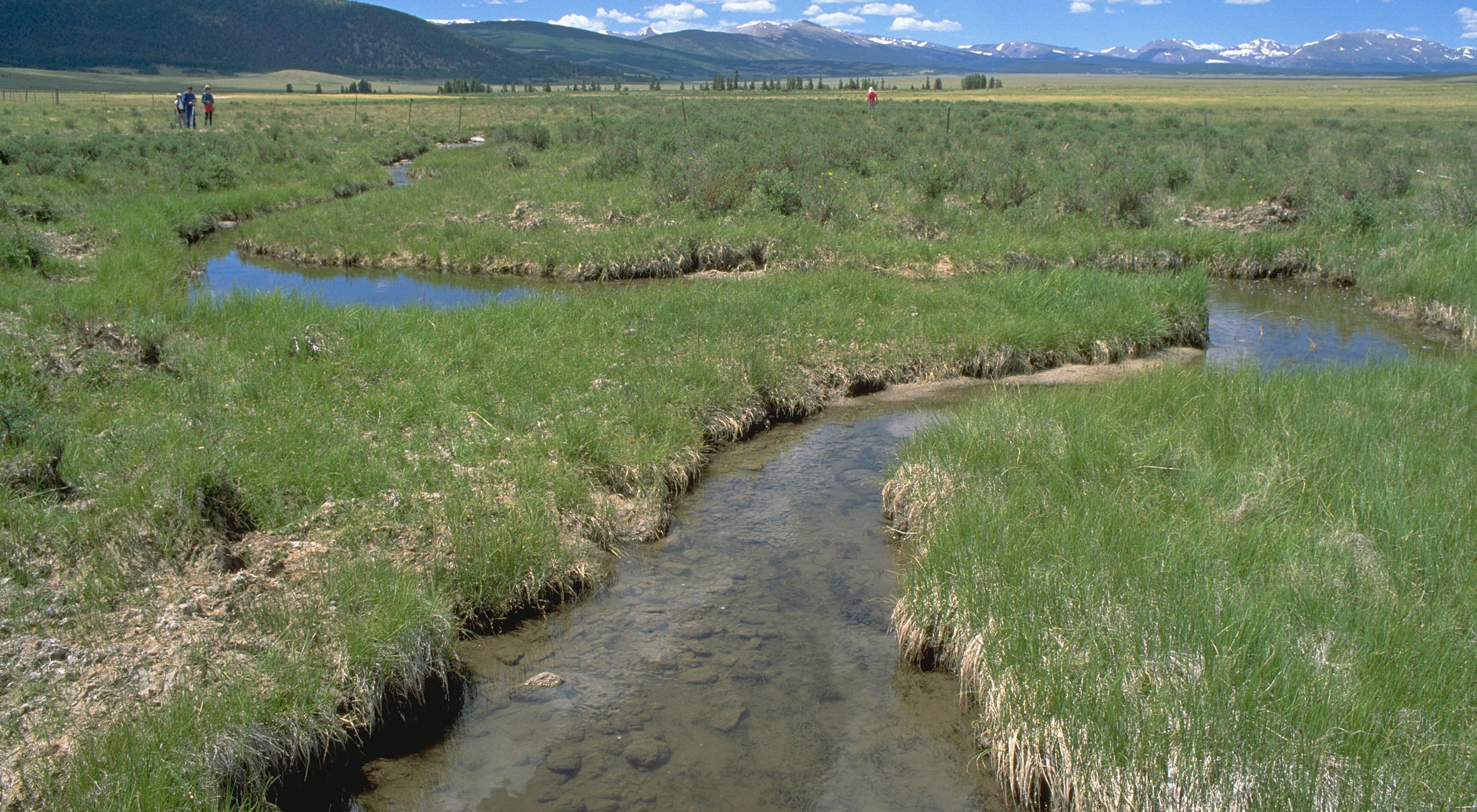
Exploring this boggy area requires a good pair of rubber boots and a sense of direction.

View All

Get Directions
Why You Should Visit

Situated at just under 10,000 feet, this fen is an astonishing vestige of the last Ice Age. The preserve is the most ecologically diverse, floristically rich fen known to exist in the Southern Rocky Mountains. Indeed, it contains more rare plant species than any other wetland known in Colorado.

Visit during mid-July to enjoy wildflowers in bloom: You can see Indian paintbrush, bluebell, day lily, pale blue-eyed grass and shrubby cinquefoil.

What is a fen?

A type of wet meadow or marshland fed primarily by groundwater that is constantly flowing to the surface. 

Location

Central Colorado, about 8.5 miles south of Fairplay and 2.5 hours southwest of Denver 

Why The Conservancy Selected This Site  

In the late 1980s, Dr. David Cooper identified High Creek Fen as the best example of an "extreme rich fen" wetland in Colorado. (Only 2-3 other fens with this classification exist in the entire United States.) The Conservancy is working to keep the fen intact and protect the extraordinary diversity of plants and animals that it supports.  

What The Conservancy Has Done/Is Doing

Since 1991, The Conservancy has worked to protect the areas in and around the fen. In the late 1990s, research indicated the need to protect not only the land, but also the water and watershed in the region. Today, The Conservancy is working with partners and the local community to protect upwards of 15,000 acres in this area.

 
When to Visit

Open year-round, dawn to dusk 

Camping

You can camp at the U.S. Forest Service's Buffalo Springs Campground, located 5 miles south of the preserve on U.S. Route 285. 

Things To Do
What to See: Plants

High Creek Fen supports two rare plant communities and 14 state-rare plant species, most of which are isolated populations that survived here after the glaciers receded.

State-rare plants include the following:

  • Autumn willow
  • Bladderwort
  • Green sedge
  • Greenland primrose
  • Hoary willow
  • Little bullrush
  • Moss
  • Myrtleleaf willow
  • Pale blue-eyed grass
  • Porter feathergrass
  • Ragwort
  • Sedge
  • Wood lily 
What to See: Birds
  • Mountain plover, a candidate for listing as an endangered species, live in the prairie uplands surrounding the fen.
  • Shorebirds, such as the spotted sandpiper and Wilson's phalarope, can be found here. 
What to See: Animals
  • Antelope
  • Coyote
  • Elk
  • Wyoming ground squirrels
Plan Your Visit

High Creek Fen is a very boggy area with level terrain. There are no established trails. Traversing the fen can be hazardous: It is quite easy to get, if you'll pardon the expression, "stuck in the muck." Please wear either rubber boots or a pair of old shoes that you're willing to throw away afterwards.

During summer months, deer flies are an issue; please come prepared with long sleeves/pants and insect repellent.

Also, please leave pets at home while you enjoy the native plants and animals at High Creek Fen.

Caution: Afternoon lightning storms are fairly common in this area, so please be alert for dark clouds. And remember, your car is the safest place to take shelter during an electrical storm. Other tips:

  • Do NOT stand under a tree.
  • Do NOT stand in the middle of a barren field.
  • DO crouch in a ball - the only thing between you and the ground should be the soles of your shoes.


Directions

From Denver/Boulder:

  • Take U.S. Highway 285 south (through Conifer and Bailey) to Fairplay, or
  • Take Interstate 70 to State Highway 9 south (exit at Frisco) to Fairplay, and then see below  ("From Fairplay").

From Fairplay:

  • Drive south on U.S. Highway 285 for 8.5 miles.
  • Turn east on a private gravel road that is .2 miles south of milepost 175. (The milepost is on the west side of the road; the gravel road is on the east.)
  • Cross the cattle guard, then drive about one mile to a small parking area and visitor kiosk.
Discussion

Have you been to this preserve? Are you thinking of visiting? See what others are saying about their experiences and add your comments below.

Add Your Comments

Time for you to join the discussion. Tell us about your experience at this preserve. What plants and animals did you see? When did you go? You can help others plan their visit when you share your thoughts. And thank you for visiting one of our nature preserves!

Read our guidelines on posting comments

Read More

Close Encounters with Nature

Nature Matters

Explore Related Content

Download a Brochure
Volunteer Opportunities