


Description
Threatened by development on all sides, an oasis of biodiversity—chaparral, grasslands, oak woodlands, riparian forests and wetlands—still attests to the expansive wilderness that once covered Los Angeles and Ventura counties.
Thriving in southern California’s Mediterranean climate, bobcats, mountain lions, deer, songbirds and raptors traverse this land, and native fish, amphibians and waterfowl occupy its wetlands. A river—the Santa Clara—runs through it, providing an important source of fresh water, and some of southern California’s most critical coastal wetlands make up its western border at Ormond Beach.
The Nature Conservancy and its partners are working to protect this mosaic of habitats. At stake here are 26 endangered or threatened species, such as the southern steelhead trout, least Bell’s vireo, snowy plover, California red-legged frog and salt marsh bird’s beak, as well as mammals that require large-scale ranges to survive.
In addition, urban encroachment is forcing farmers on adjacent lands to abandon their way of life. Threats to the river and to the wetlands could compromise the region’s water quality and pollute the Pacific Ocean. The Conservancy is using its scientific expertise and its experience in land-use planning to address these critical issues.
Our strategy in the L.A.-Ventura project is threefold: protect and restore the Santa Clara River and its tributaries, restore the wetlands at Ormond Beach and secure wildlife corridors.
What a River Can Do
The Santa Clara is one of the least altered rivers in California; it provides habitat for numerous declining species, helps create a fertile valley for agriculture and is an important source of water that can be put to a variety of uses. The L.A.-Ventura project is working toward a goal of conserving the entire river by protecting and restoring its natural processes. The Conservancy also wants to support sustainable farming along the river, rather than having these lands converted to inappropriate development.
Coastal Wetlands to Make History
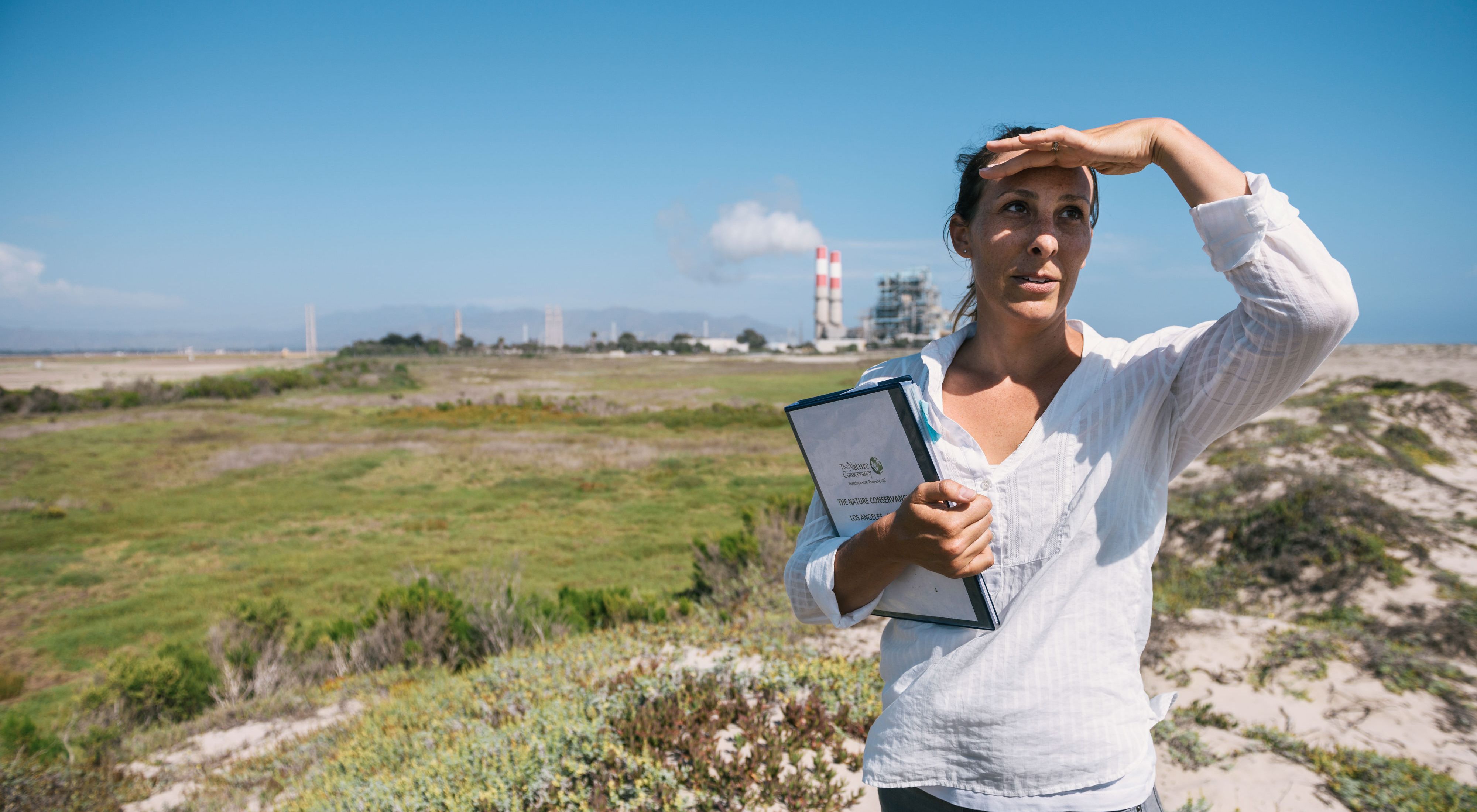
At Ormond Beach we have undertaken the largest—and what is considered by experts to be the most important—coastal wetland restoration project in southern California.
These wetlands have been drained, filled and even contaminated by industry. What remains intact, however, has the potential to protect many endangered species from water-level rise and other dangers of climate change. Our goal is to link together and restore 1,500 acres of these historic wetlands.
Room to Move
Conservancy scientists have discovered that a mountain lion has a stunningly large range of 100 square miles. Many other species require room to thrive, especially when faced with increasing climate change pressures. For this reason, we are working to conserve two wildlife corridors that connect crucial habitat from the Los Padres and Angeles National Forests to the Santa Susana and Santa Monica Mountains.
What You Can Do
The urgency of protecting these habitats cannot be overstated. Please consider donating to the California program or sign up to receive email updates.