

Description
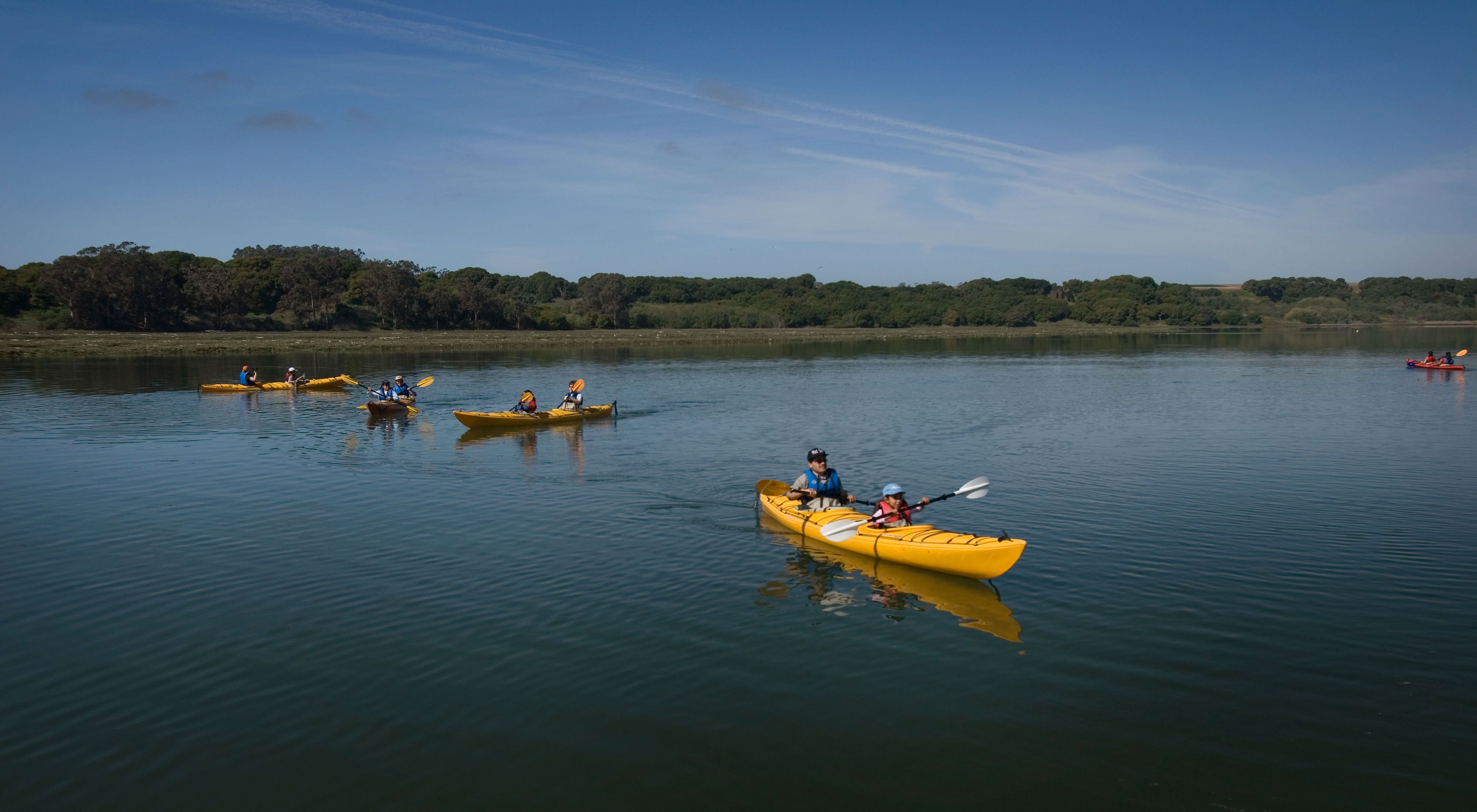
The Elkhorn Slough is a magical place full of wildlife and beauty. Meandering seven miles inland from the coast in the center of the picturesque Monterey Bay, the Elkhorn Slough harbors the largest tract of tidal salt marsh in California outside of San Francisco Bay. Estuaries—areas where fresh water meets salt water—are among the most productive habitats in the biological world, able to support many animal species. But they are also among the most endangered. In California, nearly 90 percent have been destroyed. Elkhorn Slough hosts a tremendous diversity of plant and animal life and has been designated a Globally Important Bird Area by the National Audubon Society and the American Birding Conservancy.
Location
Monterey Bay, Central California
Size
More than 5,000 acres, out of a total watershed area of 45,000 acres, have been protected by The Nature Conservancy and a host of partners.
Conservancy History
In 1971, to protect Elkhorn Slough from major development, The Nature Conservancy purchased the first wetlands there for conservation. Public and private partners continued to acquire wetland and upland areas leading to the designation of the Elkhorn Slough National Estuarine Research Reserve in 1979.
In September 2012, The Nature Conservancy transferred ownership of the majority of its Elkhorn Slough land holdings (750 acres) to the Elkhorn Slough Foundation for continued management. This was the largest single transfer of conservation lands in the history of Elkhorn Slough and cemented the Elkhorn Slough Foundation as a significant conservation leader and land trust in the central Bay Area.
Prior to this transfer, the Conservancy owned more than 850 acres in the Elkhorn Slough watershed. The Elkhorn Slough Foundation provided on-site management of those lands along with their ownership of 2,800 acres. The Elkhorn Slough Reserve, managed by the California Department of Fish and Game in cooperation with the National Oceanic and Atmospheric Administration, protects 1,740 acres, and another 728 acres are conserved as the State Moss Landing Wildlife Area. Other conservation lands are managed by the Department of Parks and Recreation, the Moss Landing Harbor District and the Monterey County Parks Department. These combined efforts have conserved more than 6,000 acres of key properties in the Elkhorn watershed.