

Conservation Critical to Migratory Birds
Arkansas hosts many migratory birds because of geography and habitat.
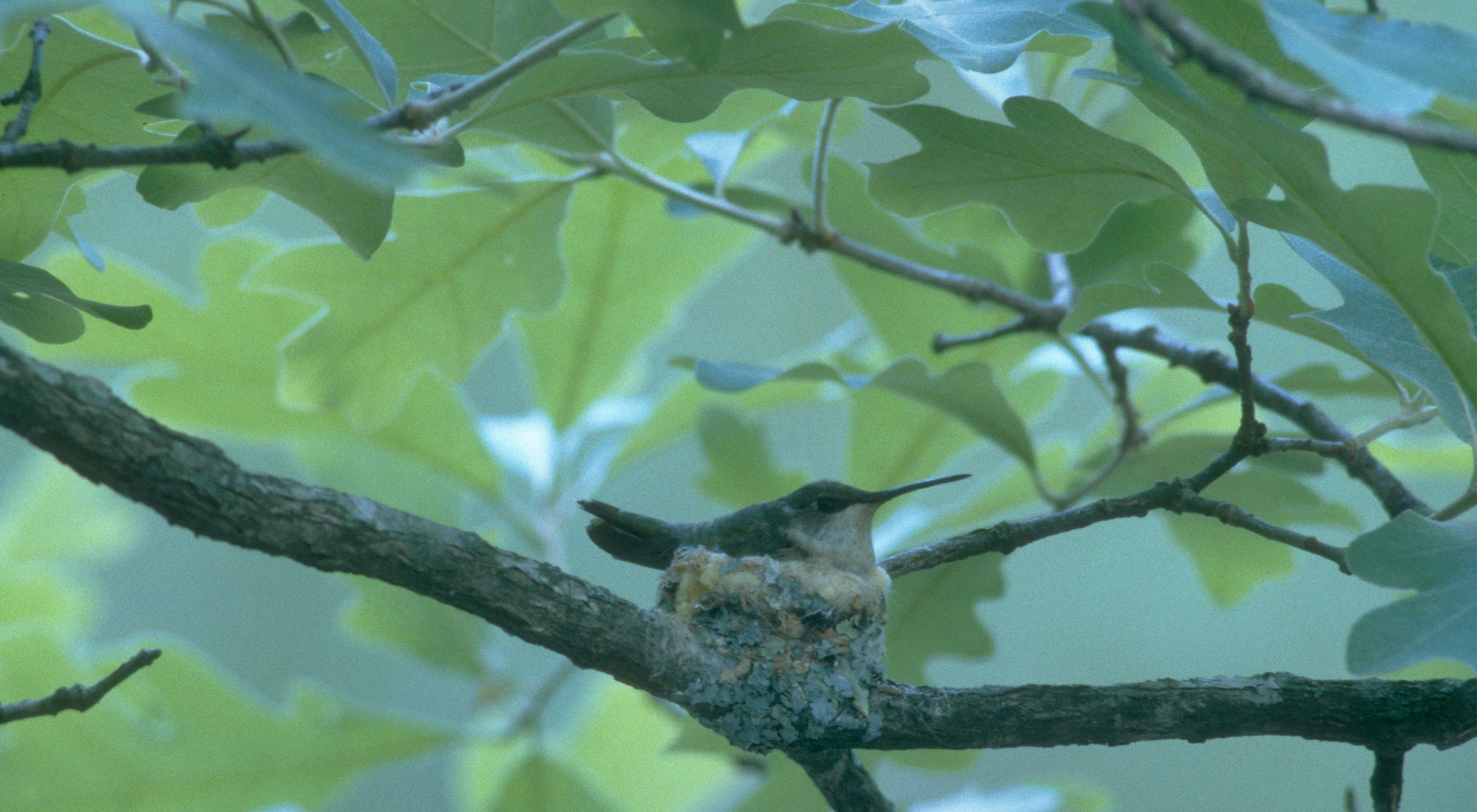
One of the smallest birds in North America faces two enormous challenges each year. The ruby-throated hummingbird—the same bird spotted in backyards in Arkansas—breeds and nests as far north as Canada and winters as far south as Panama, meaning this tiny bird flies up to 3,500 miles, including 500-miles non-stop across the Gulf of Mexico, twice annually.
The ruby-throated hummingbird is among more than 300 migratory bird species in North America that make similar treks. Some of the most prized sightings for birdwatchers in Arkansas include rose-breasted grosbeaks, painted buntings, indigo buntings, Wilson’s warblers, Prothonotary warblers and swallow-tailed kites. The most popular species among waterfowl hunters is perhaps the mallard duck; much to the hunters’ delight, Arkansas is home to the largest wintering population of mallards in the world.

The Mississippi Flyway
Arkansas hosts many migratory birds because of two factors. The first is geography. The Mississippi Flyway migration route, which follows the Mississippi River much of the way and covers most of Arkansas, is a major interstate for birds moving north and south. Beyond the river, the flyway extends north to the Arctic coast of Alaska and south to the Patagonia region of southern Argentina. On a map of the United States, the Mississippi Flyway looks like a giant funnel that narrows at Arkansas.
The second factor is habitat. Arkansas has abundant cover and food for birds traveling the flyway. At 550,000 acres, the Big Woods that line the White and Cache river basins in Arkansas are the second-largest contiguous block of forest remaining in the Mississippi River Delta. (The largest block is in Louisiana’s Atchafalaya River basin.) Prime bird habitat covers much of Arkansas outside the Big Woods as well.
Not all places along the flyway have as much conserved natural land and water as Arkansas. Primarily because of habitat destruction and fragmentation, a number of migratory bird species have been declining over the past 30 years. It’s a problem that can’t be corrected in one place alone; the quantity and quality of natural habitat in Canada, the central U.S. and many Central and South American countries affect migratory bird populations in Arkansas.
Eight Things You Can Do to Help Birds
Protecting Migratory Bird Stopover Sites
Until recent years, conservation efforts aimed at helping migratory birds have focused on breeding and wintering grounds. While these areas are critical to the birds’ survival, more emphasis is now being placed on the conservation of stopover sites, particularly for forest-dwelling migratory birds. Within a flyway, a network of protected stopover sites, which can range from small city parks to vast national forests, provides places where migrating birds can rest and find food and water during their journey.
Researchers who have studied stopover sites recognize that smaller sites can be extremely valuable because frequently they are the only suitable habitat left in an area. Smaller sites need attention because relatively few remain, they are least likely to be identified and managed with conservation practices in mind, and they are being destroyed or degraded rapidly. Large blocks, like national wildlife refuges, researchers say, are either under conservation ownership or targeted for conservation action.
If we could interpret the songs of migratory birds, we might find them singing the praises of Arkansans for our conservation efforts. The Natural State has some 2.9 million acres in its national forests, more than 120 state-owned wildlife management areas and natural areas, 52 state parks, and dozens of nature preserves. Many Arkansas cities, including the state’s capital, are graced by parks that wake up each day to the songs of birds. And yes, even the mallards would probably express gratitude; revenue from federal duck stamps purchased by hunters has funded the acquisition of most of the acres within the 10 national wildlife refuges in Arkansas.
Bird Facts
- Birdwatchers can visit the Arkansas Parks and Tourism office at 1 Capitol Mall in Little Rock (or one of the state’s welcoming centers) to pick up the Arkansas Birding and Watchable Wildlife guide.
- Bird watching is the fastest-growing recreational outdoor activity in the United States, having increased by 235 percent since 1982.
- The Big Woods of Arkansas are home to more than 265 species of birds, including resident, wintering and migrating birds.
- Migratory birds play an important role in seed dispersal and pollination, and they aid agriculture by eating insect pests.
- Birds fly an average of 15-45 miles per hour during migration.
- Clocked at more than 200 miles per hour when chasing prey, the migrating peregrine falcon is the fastest animal on earth.
- The longest bird migrations are more than 24,000 miles round trip each year.
- Fifty percent of shorebirds that breed in the U.S. have suffered significant population declines.
More from Arkansas
Endangered Species Of Arkansas
The Nature Conservancy and agencies like the U.S. Fish and Wildlife Service, and the Arkansas Natural Heritage and Game and Fish commissions focus on protecting plants and animals of all kinds, from storybook creatures like bears and eagles to obscure bugs and plants that most people have never heard of.

Living with Fire
Improving habitat for wildlife and reducing wildfire risks through fire and habitat restoration.
The Buffalo River
The Buffalo River is one of Arkansas’, and America’s, greatest national treasures.